
North Cascades National Park is known as the American Alps for its dramatic mountain scenery, with jagged snow-covered peaks, alpine lakes, hundreds of the waterfalls that give the Cascade Range its name, and over three hundred glaciers. The 1,068-square-mile (2,768 sq km) park encompasses the Cascade Range from Washington’s Lake Chelan to the Canadian border….
Tag Archives | trawlers
Sept. 29 – Cirque du Soleil Echo
“Because our days are filled with the rational, practical and expected, Cirque du Soleil exists to bring us that which has never existed. And makes us feel things we’ve never felt. Life needs folly, life needs cirque” -Cirque du Soleil

The highlight of our family trip to DC was attending Cirque du Soleil Echo. The show was in the nearby town of Tysons, Virginia. Getting there on the Metro was part of the fun. The train stopped right next to the show sight. This particular show takes place under a huge big top, which gave us the feeling we were at the circus.
Sept. 25-30 Washington, DC (Part II)
“Travel has a way of stretching the mind.” -Ralph Crawshaw
On our second day we figured out how to use the Metro and that made it a little easier on our legs. We spent our morning at the International Spy Museum. It’s an independent history museum which documents the tradecraft, history and contemporary role of espionage. It houses more than 7,000 artifacts with around 1,000 on public display. The permanent collection traces the complete history of espionage, from the Ancient Greeks and the Roman Empire through present day. We started our visit in the briefing room where we received our undercover mission badge and our cover identity. From there we were given the chance to learn the tricks of the trade in interactive exhibits that test our powers of observation.
Waiting for our ride.


International Spy Museum


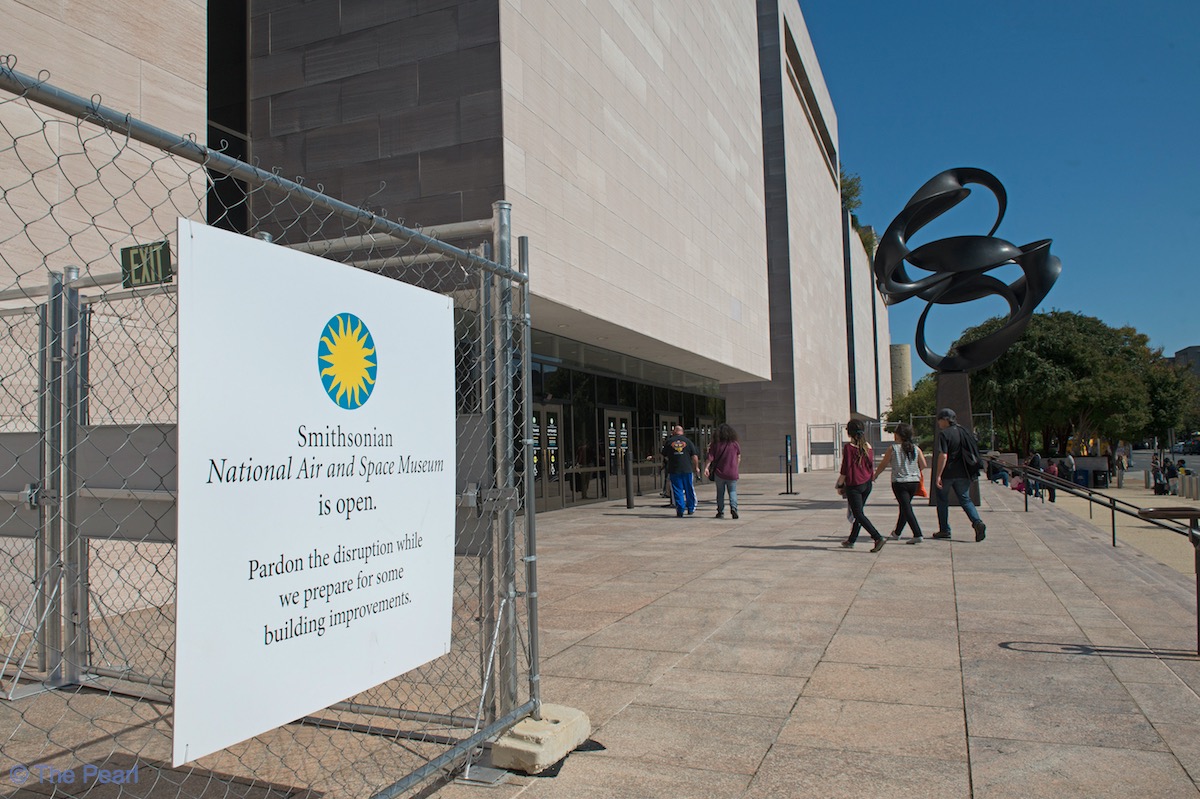
That afternoon we relaxed…enjoying the park and our beautiful home. After all the walking we’d done it was nice to play and paint. On the third morning we went to the Smithsonian National Air and Space Museum. The museum maintains the largest collection of historic air and spacecraft in the world. The National Mall building has hundreds of artifacts on display, including the original Wright 1903 Flyer, The Apollo 11 Command Module and old commercial aircraft.
We had to reserve tickets to enter the museum. These pictures were taken while we waited to go in.

The main hall of the museum.

We ate lunch in the cafeteria at the museum so we could spend more time seeing all the exhibits. Our next stop on this day was the Smithsonian National Museum of Natural History. This museum opened in 1910. Its green dome and immense size (comparable to 18 football fields) are signatures, as well as the 140 million-plus natural science specimens and cultural artifacts that the museum contains. It’s the world’s most popular natural history museum and is dedicated to understanding the natural world and our place in it. It includes the Hall of Human Origins, National Fossil Hall and the Ocean Hall. Exhibits such as the Hope Diamond, Egyptian mummies and gemstones are just a few of the things you can see.
It was impossible to get a nice picture of the museum so I borrowed this one from the Internet.

The entry hall of the museum.

Ocean Hall


The Hope Diamond is one of history’s most famous diamonds. This 45.52 carat fancy deep grayish-blue diamond has an incomparable history and an extraordinary combination of physical properties. During its long history, it has intersected with the French monarchy, Kings Louis XIV through XVI, and likely the British monarch King George IV. It has been owned by wealthy merchants and some of the most well-known individuals within the jewelry world, including Pierre Cartier and Harry Winston. The Hope Diamond got its name from one of its first documented owners, Henry Philip Hope, It was donated to the Smithsonian Institution in 1958.

Fun Facts about the National Mall:
- There are 100 unique monuments and memorials on the mall.
- More than 25 million people visit the National Mall each year. That’s more visitors than Yellowstone, Yosemite and Grand Canyon National Parks combined.
- 8 million visitors are brought to and from the National Mall by an estimated 200,000 tour buses each year.
- Every weekday, over 440,000 vehicles travel along or through the National Mall on Constitution and Independence Avenues.
- The National Mall is home to more than 26 miles of pedestrian sidewalks and 8 miles of bike trails.
- 10 tons of grass seed and nearly 3,000 yards of sod and turf are installed and planted on the National Mall annually.
- Over 9,000 trees are located on the National Mall.
- Three to four tons of trash are collected and removed from the National Mall daily.
Sept. 25-30 Washington, DC (Part II)
“Travel has a way of stretching the mind.” -Ralph Crawshaw
On our second day we figured out how to use the Metro and that made it a little easier on our legs. We spent our morning at the International Spy Museum. It’s an independent history museum which documents the tradecraft, history and contemporary role of espionage. It houses more than 7,000 artifacts with around 1,000 on public display. The permanent collection traces the complete history of espionage, from the Ancient Greeks and the Roman Empire through present day. We started our visit in the briefing room where we received our undercover mission badge and our cover identity. From there we were given the chance to learn the tricks of the trade in interactive exhibits that test our powers of observation.
Sept. 25-30 Washington, DC (Part I)
“A people without the knowledge of their past history, origin and culture are like a tree without roots.” — Marcus Garvey
We took one last trip with our Pennsylvania family…we spent five days in our nation’s capital. We rented a nice townhouse on Capitol Hill. It was within walking distance of many things, but after walking over five miles the first day we learned how to take the Metro. Even with that we racked up a lot of miles this week.
The house
The first floor was the entryway, dining room, half bath, kitchen and breakfast nook.


The second floor had the living room and children’s room with an ensuite bathroom.

The two larger bedrooms were on the third floor along with two more bathrooms.

After dinner the first night we walked to Whole Foods for dessert.

There was a wonderful park across the street from the house where the kids ran and played each day. If you have to live in a city…this would be a great place to live.


We spent our first day walking…walking and seeing a lot. Our first stop was at the United States Botanic Garden. This is the oldest continuously operating public garden in the United States. During the late 18th century, George Washington had a dream of a national botanic garden and was instrumental in establishing one on the National Mall in 1820. The gardens came and went some until The Victorian Conservatory opened to the public in 1850 and the U.S. Botanic Garden has been in continuous operation and open to the public since this date.

This lady taught all of us about bees. She knew more about bees than anyone I’ve ever met.


We truly were impressed with the gardens, but our favorite section was the Orchids.

After lunch we headed to the National Museum of American History. Along the way we saw the Capitol and walked through the National Sculpture Garden. Unfortunately between the weather, construction, road barricades and a cultural festival on the National Mall getting good photos of any of the iconic places was impossible.

The sculpture garden offers a relaxing, year-round setting ,an oasis, in the middle of the National Mall. It was opened in 1999.

The National Museum of American History opened in 1964 as the Museum of History and Technology. It was renamed in 1980 to represent its mission of the collection, care, study, and interpretation of objects that reflect the experience of the American people. Some of the displays include the famed Star-Spangled Banner, First Ladies gowns, Dorothy’s Ruby Slippers, Muhammad Ali’s boxing gloves and presidential artifacts.


Our last stop of the day was walking up to the Washington Monument. There are at least 160 monuments and memorials in Washington DC and the Washington Monument is perhaps the most famous. It pays tribute to our nation’s first commander in chief, George Washington. A world-renowned structure, the obelisk-shaped memorial sits in the center of the National Mall, in between the U.S. Capitol and the Lincoln Memorial and was completed in 1884.

Washington Monument Fun Facts:
- The 555 foot tall obelisk is the tallest building in DC and by law, no other building in Washington is allowed to be taller.
- The Monument is built of free-standing masonry which means there is no cement holding the blocks together.
- When originally built, the Washington Monument was the tallest building in the world at 555 feet tall. This record was broken in 1889 when the Eiffel Tower was built.
- The original elevator ride took 8-10 minutes. Currently the elevator ride to the top takes about 70 seconds.
- The trowel used to lay the cornerstone of the Monument was the same trowel used by George Washington to lay the cornerstone of the Capitol in 1793.
- The cap at the tip of the Monument is made out of aluminum which was a new and rare process at the time.
- The words “Laus Deo””Praise be to God!) are inscribed on the aluminum capstone.
Looking towards the Lincoln Memorial from the Washington Monument.

Fall Foliage
“The trees are about to show us how lovely it is to let things go.” -Unknown

This is a repost of one I shared several years ago, but the trees are changing and we are transitioning away from our summer home to our winter home and thought I would share the info again…and the beautiful photos.
Fall Foliage
“The trees are about to show us how lovely it is to let things go.” -Unknown
This is a repost of one I shared several years ago, but the trees are changing and we are transitioning away from our summer home to our winter home and thought I would share the info again…and the beautiful photos.
The fall colors are taking over in upstate New York and Pennsylvania. It truly is a beautiful time of year. Our trees in Texas change color, but we don’t get the colors you find further north. Do you know why? Here is an explanation…Although temperature and rainfall influence the colors, the onset of longer nights is the most important factor in leaf color change. The daylight hours in the south stay more consistent so we have less color.
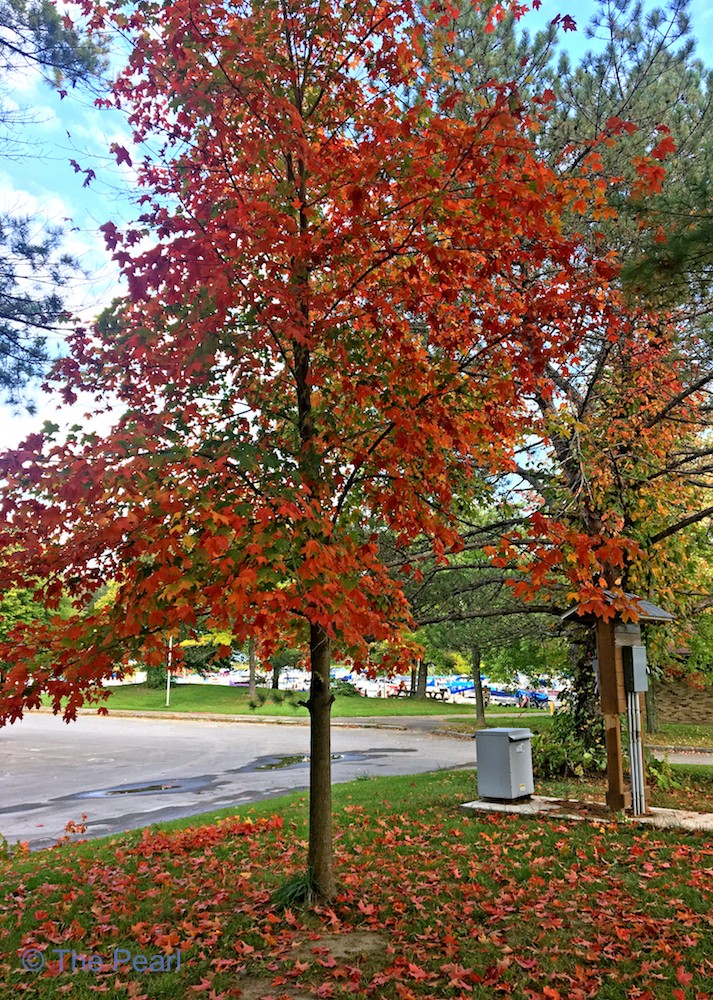
So why do leaves change color? Changes in leaves’ plants have three primary pigments that are important for the color changes we see during autumn: chlorophyll, carotenoids and anthocyanins.
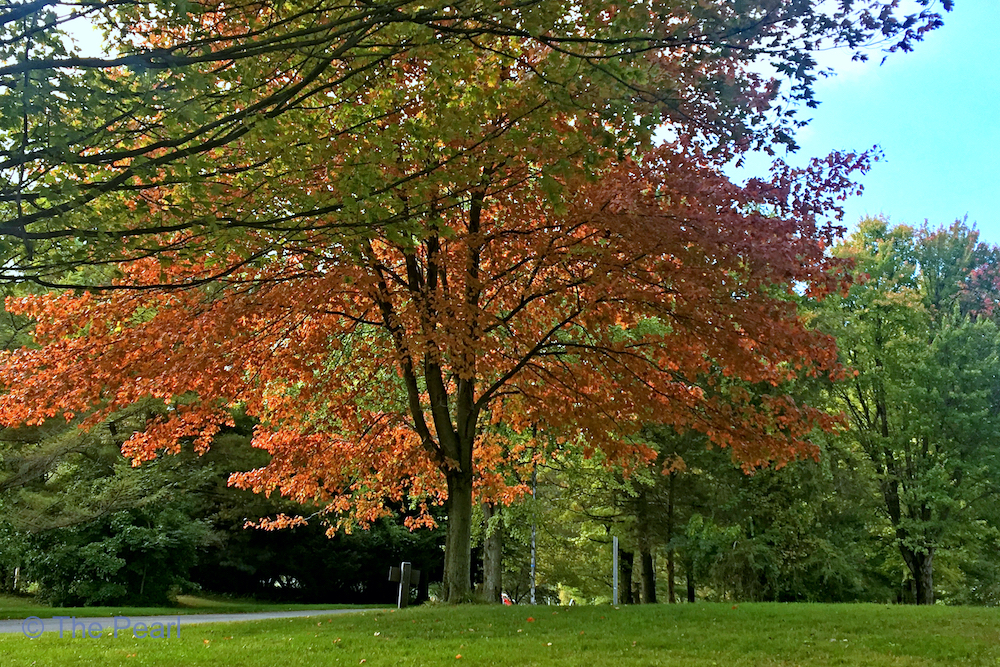
Chlorophyll, the pigment that gives plants their green color, is necessary for photosynthesizing light and creating sugars that feed the plant. Carotenoids assist in photosynthesis and are responsible for the oranges and yellows color. Anthocyanins, acts as a protective “sunscreen” for leaves; they produce the red colors we see in leaves. Anthocyanins are produced only during the fall when chlorophyll levels start to drop.
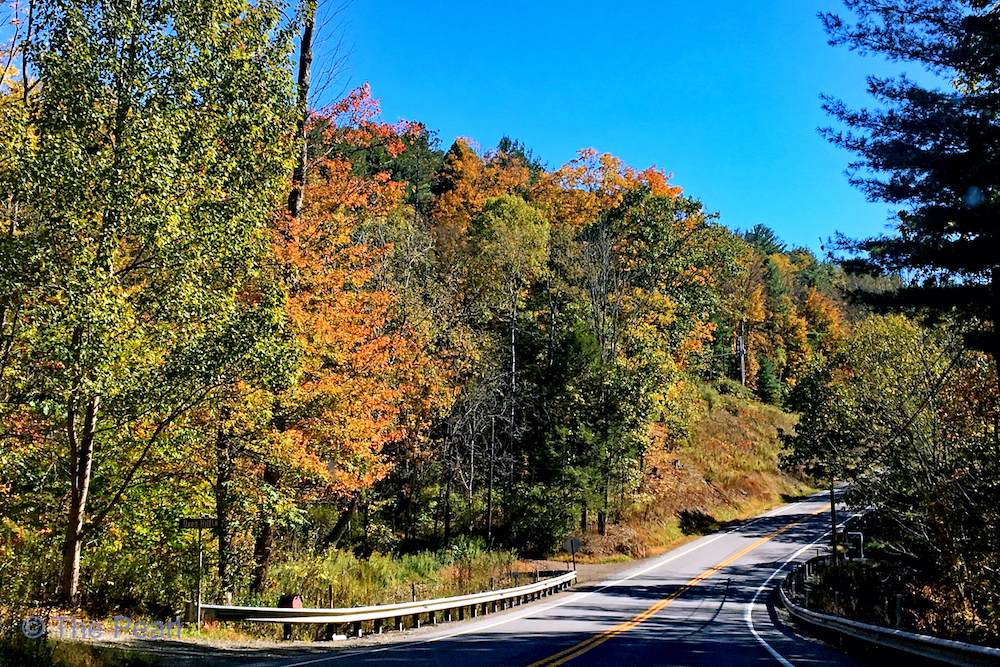
During the growing season, chlorophyll takes center stage as it’s repeatedly produced and broken down again, making the leaves appear green. As the days become shorter, there is less available sunlight for photosynthesis. This slows chlorophyll production until none remains. The carotenoids and the anthocyanins are then left allowing the leaves to bare their brilliant colors.
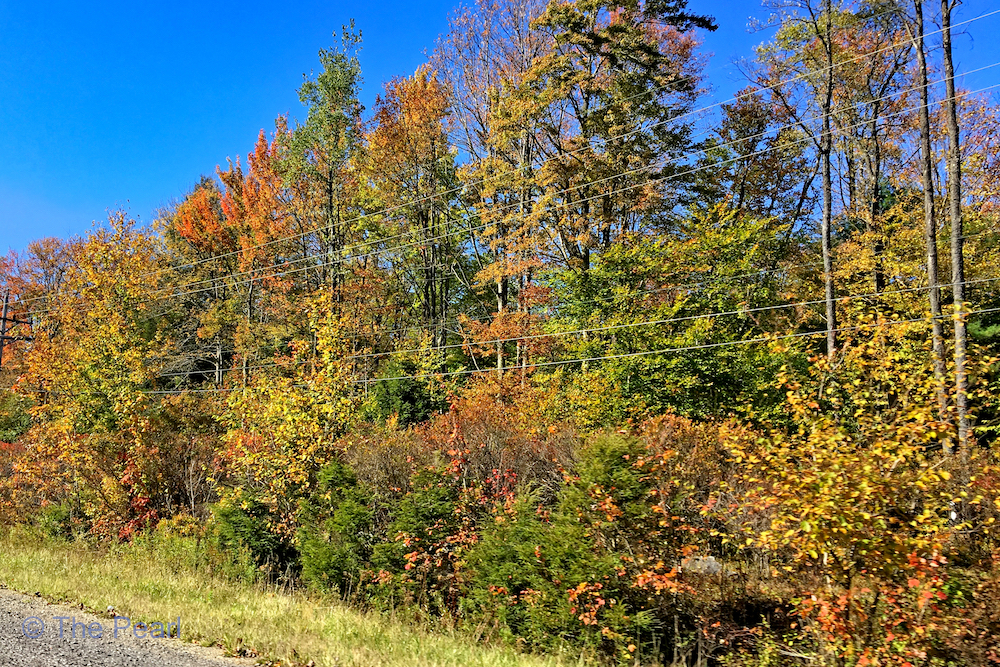
Temperature and moisture are the main drivers of the amount and brilliance of the colors. Warm, sunny days with cool (but not freezing) nights allow for lots of sugars to be produced during the day, which are then trapped in the leaves as the cool nights close the leaves’ veins. This extra sugar leads to the production of more anthocyanins, boosting the reds, crimsons and purples in the leaves.
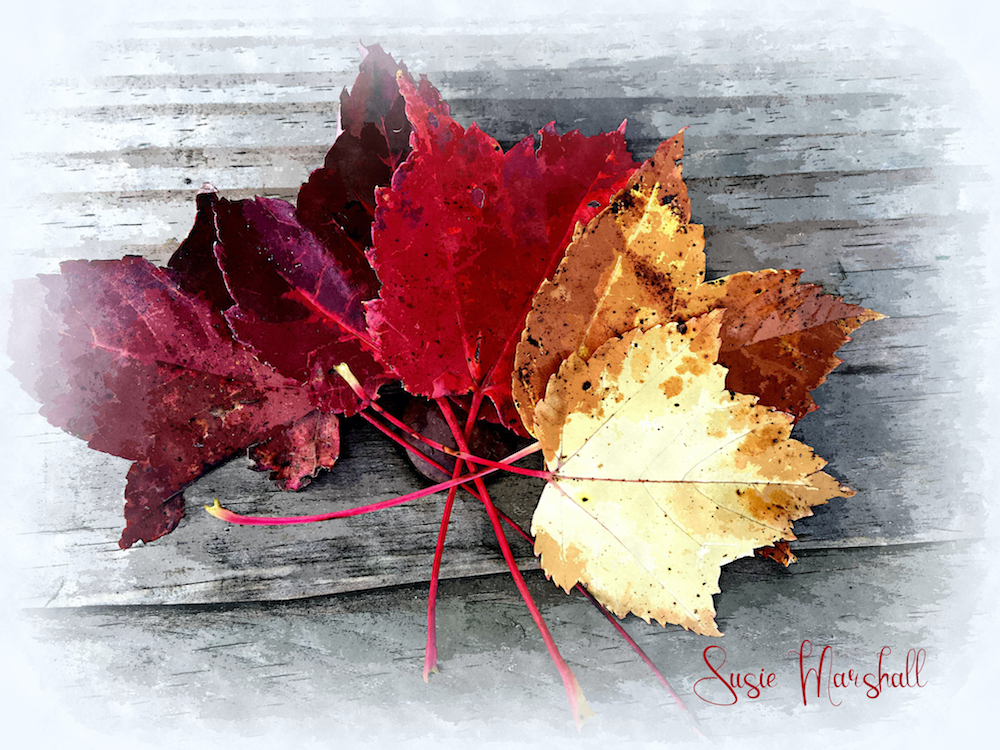
In most parts of the temperate world, 15% of tree species will turn yellow and only 10% will turn red. In certain regions, however, like New England, 30% of the woody species will turn yellow and an incredible 70% will turn red. You’ll find some of the most brilliant color changes in trees such as maple, dogwood, sumac, oak, poplars, birch and elm.
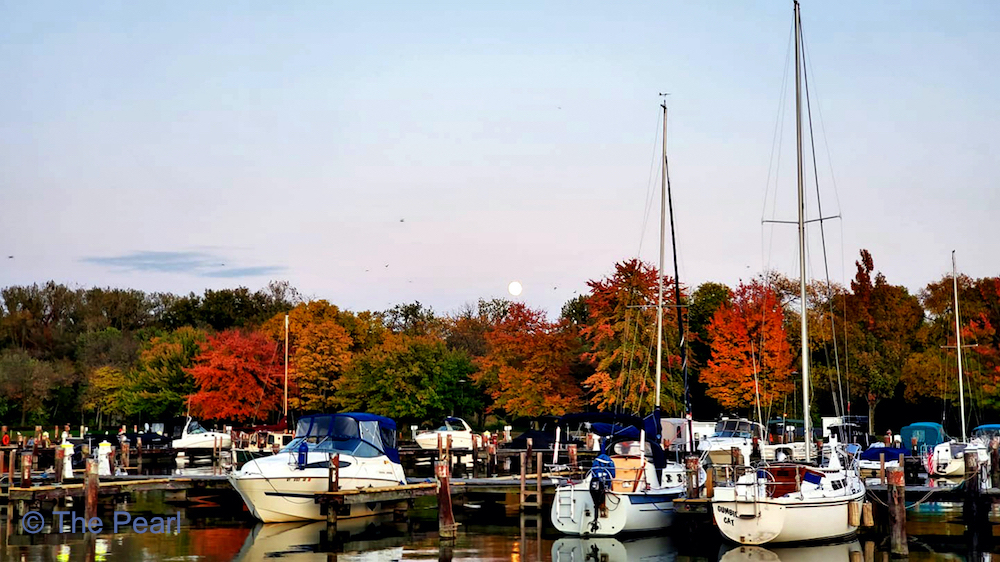
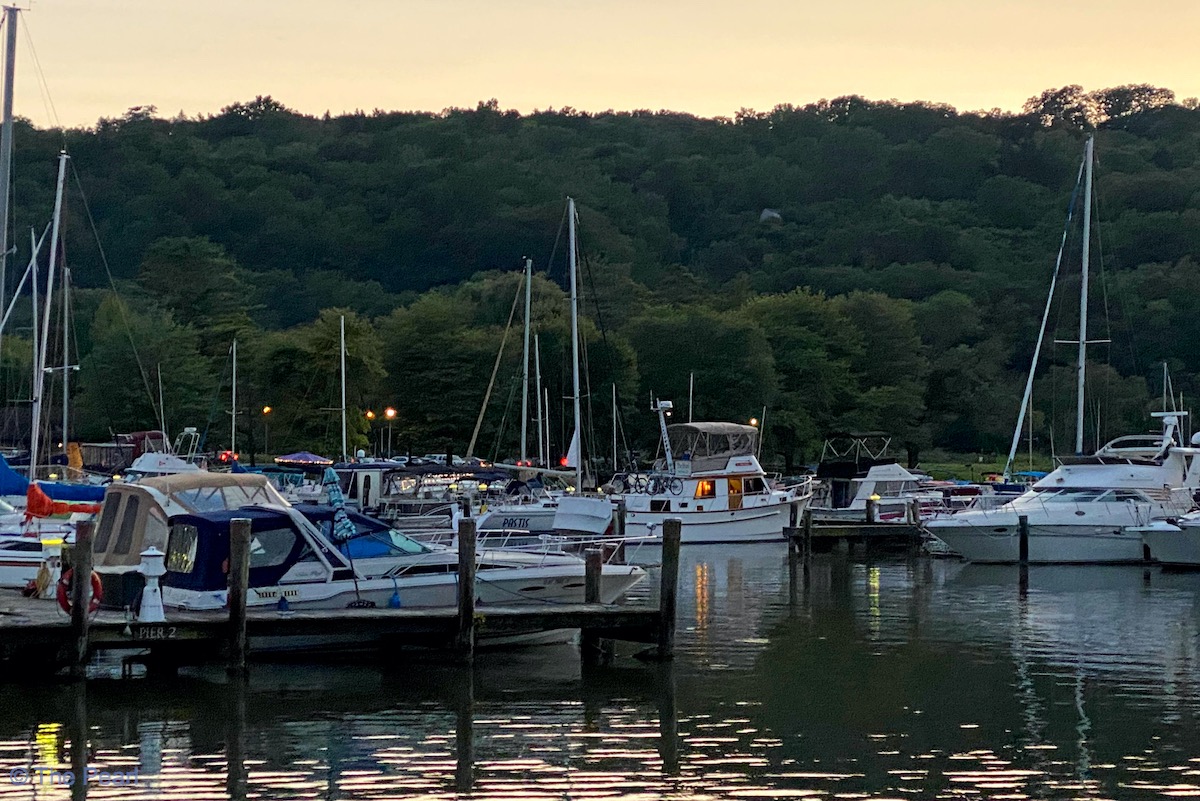
My friend Julia took this picture of the marina right after we left…thanks for the wonderful picture.
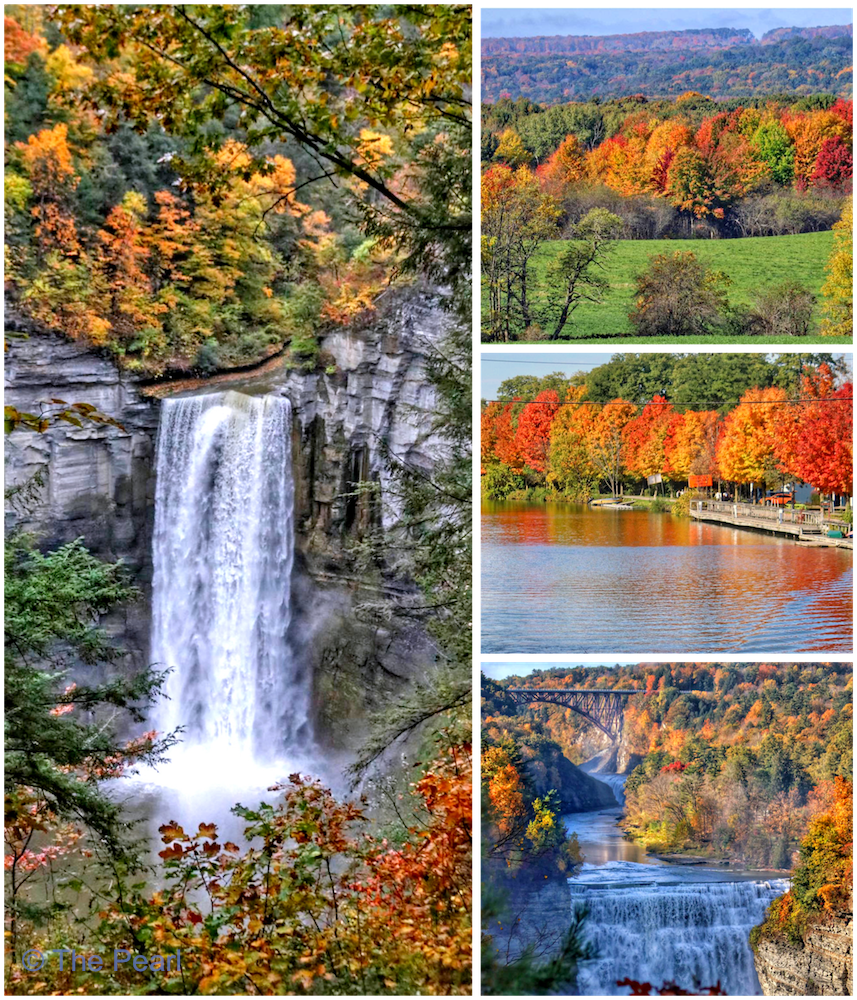
These pictures were taken by a local photographer in upstate New York. His name is John Kucko. Just out his Facebook page.
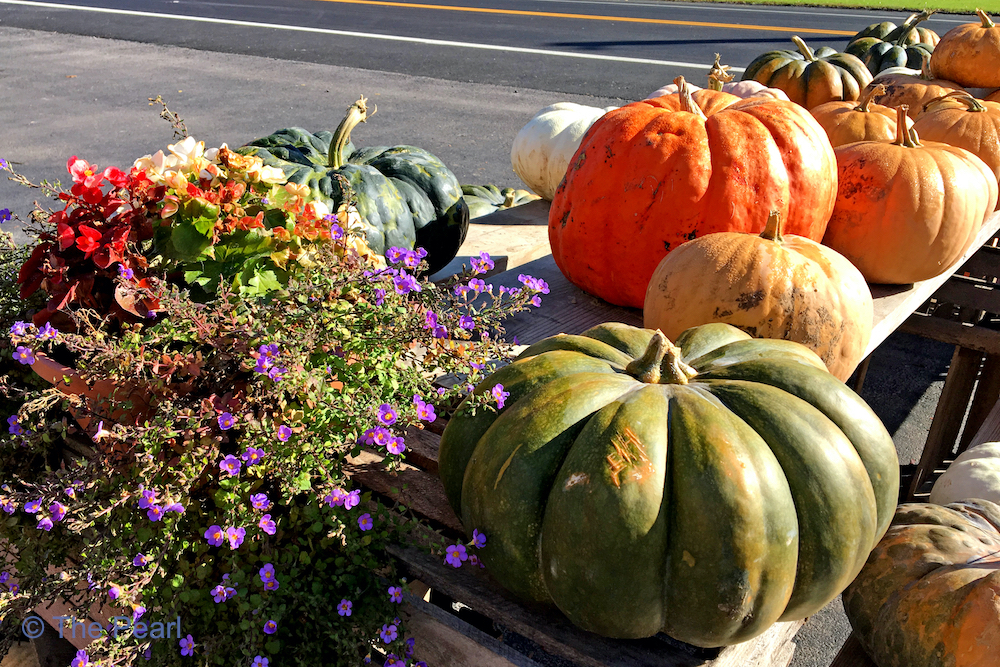
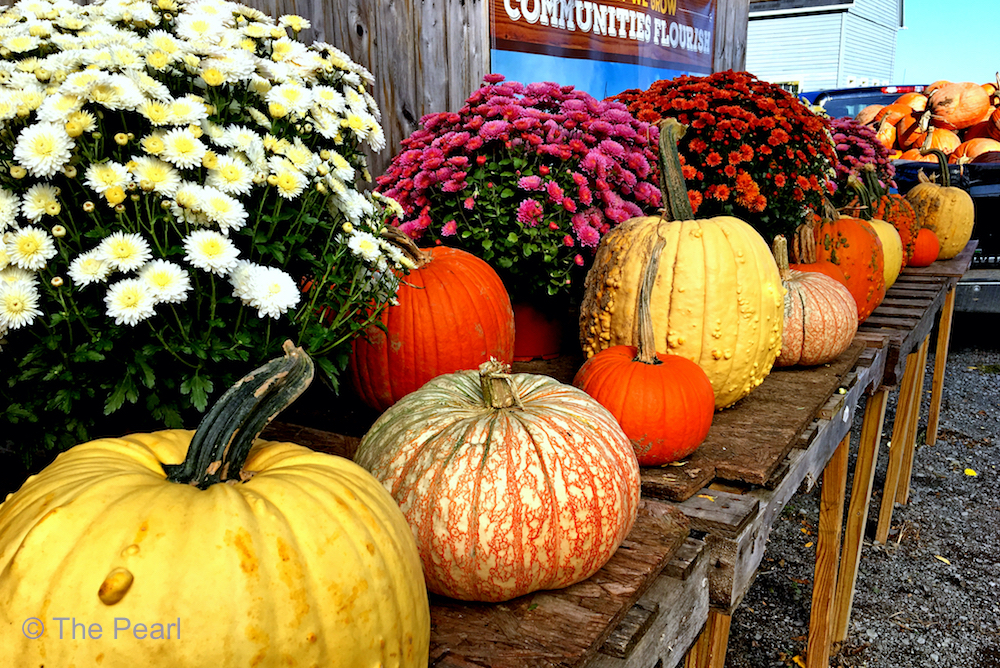
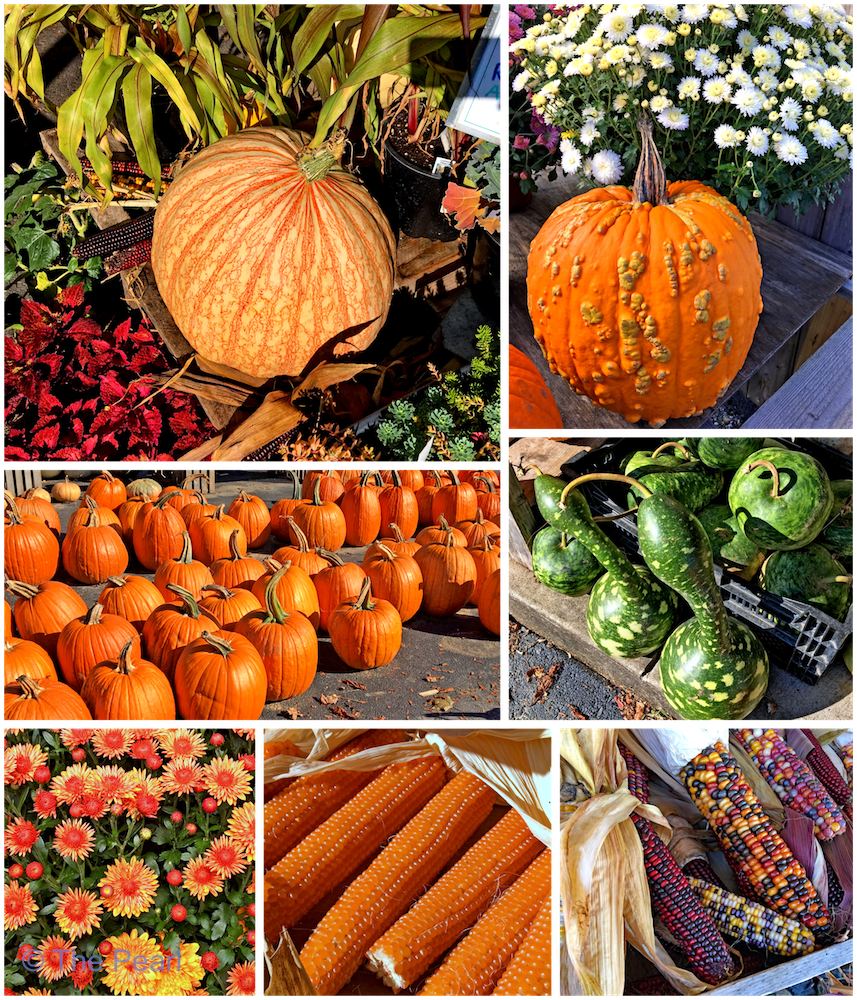
Fall isn’t all about the foliage…there are plenty of pumpkins, Indian corn, mums and gourds too.
San Juan Islands 2023
Our first stop in the San Juan archipelago is Stuart Island. We find Reid Harbor busy, but the spacious bay accommodates many boats so finding a spot is no problem. Stuart Island is one of our favorite spots. We enjoy several days of hiking on this remote island. It is always good to get off the boat […]
September Updates
“Never forget that it takes only one person or one idea to change your life forever.” –Author Unknown

September was a busy month and I’ve made a lot of posts of the main events, but I wanted to include a few other things we did during the month. During Marina Day in June we won the door prize…two tickets to ride on The Teal. This cruise boat runs educational, ecological and sunset excursions on Cayuga Lake. We decided to use our tickets during the full moon on September 1st. It was a wonderful trip.

The Teal is docked across the marina from our boat.


The beautiful full moon from the stern of The Pearl.

Labor Day weekend we drove to Bloomsburg to celebrate Hattie’s birthday and spend the holiday with family. We always have fun with them.
Hattie had her 4th birthday party at the city park.

S’mores and the fire pit are some of the best parts of summer.


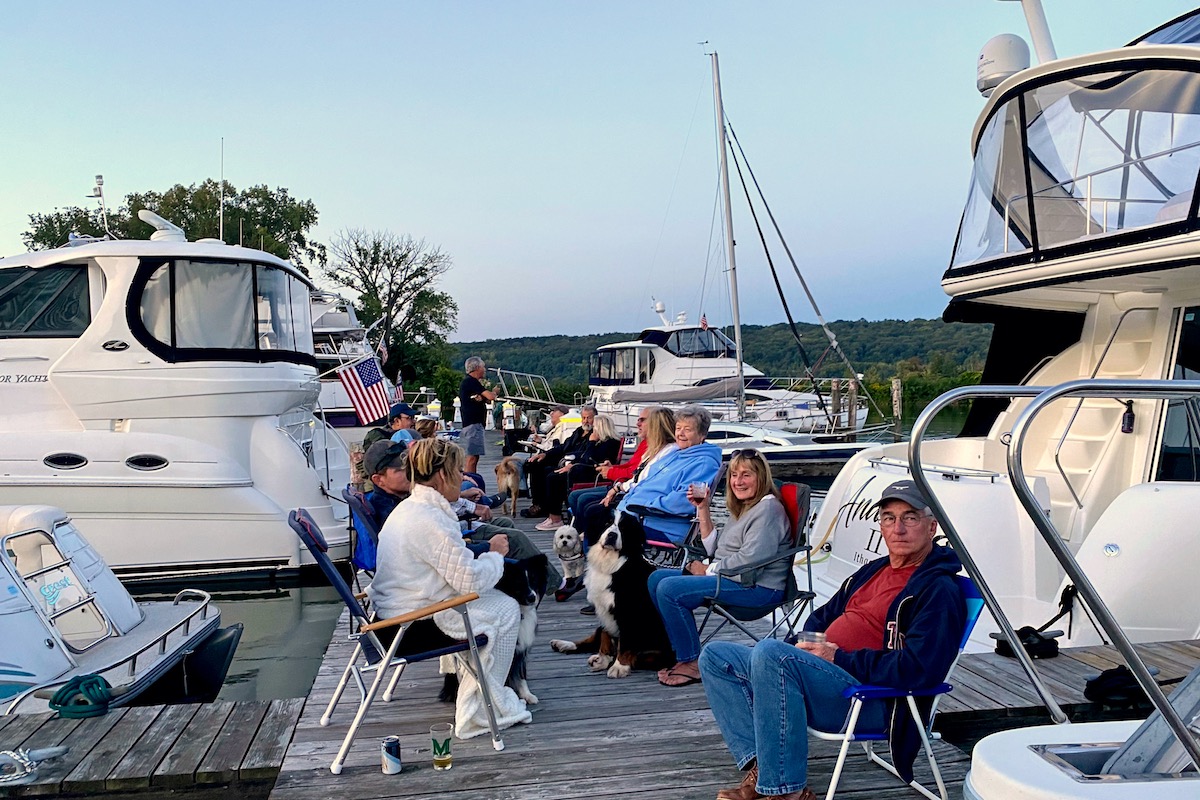
The final dock party on pier 3…days are getting shorter and the nights are getting cooler…fall has arrived.

We said good-bye to summer the same way we welcomed it in…a picnic at Sheldrake Winery and dinner at the Boatyard Grill.


Here’s to the end of another wonderful summer and the start to more adventures this fall.

Our little runabout.

This picture was taken on September 20 and the following picture just ten days later…fall is arriving very fast.


