
We reached Denmark the day after transiting the Kiel Canal, and anchored for the night at the west end of Smalandsfarvandet. The next day we passed through eastbound to Klintholm, where we rode our bikes out to view the famous Mont Klint chalk cliffs and enjoyed touring the area. Being early in the season, we…
April 6 – Last Day in Paradise
“Family and friends are hidden treasures, seek them and enjoy their riches.” – Wanda Hope Carter

We spent our last morning on Eleuthera at our favorite beach soaking in this incredible view. Looking at this water never gets tiring to me.
CONTINUE READING HERE…»
Kiel Canal
Following an overnight run from Amsterdam, we made a brief pit stop in Heligoland to top up our diesel tanks with duty-free fuel and were underway again in time to catch the last half of the Elbe River flood tide and reach the Kiel Canal that afternoon. We arrived at the canal in a fog…
Water Cay
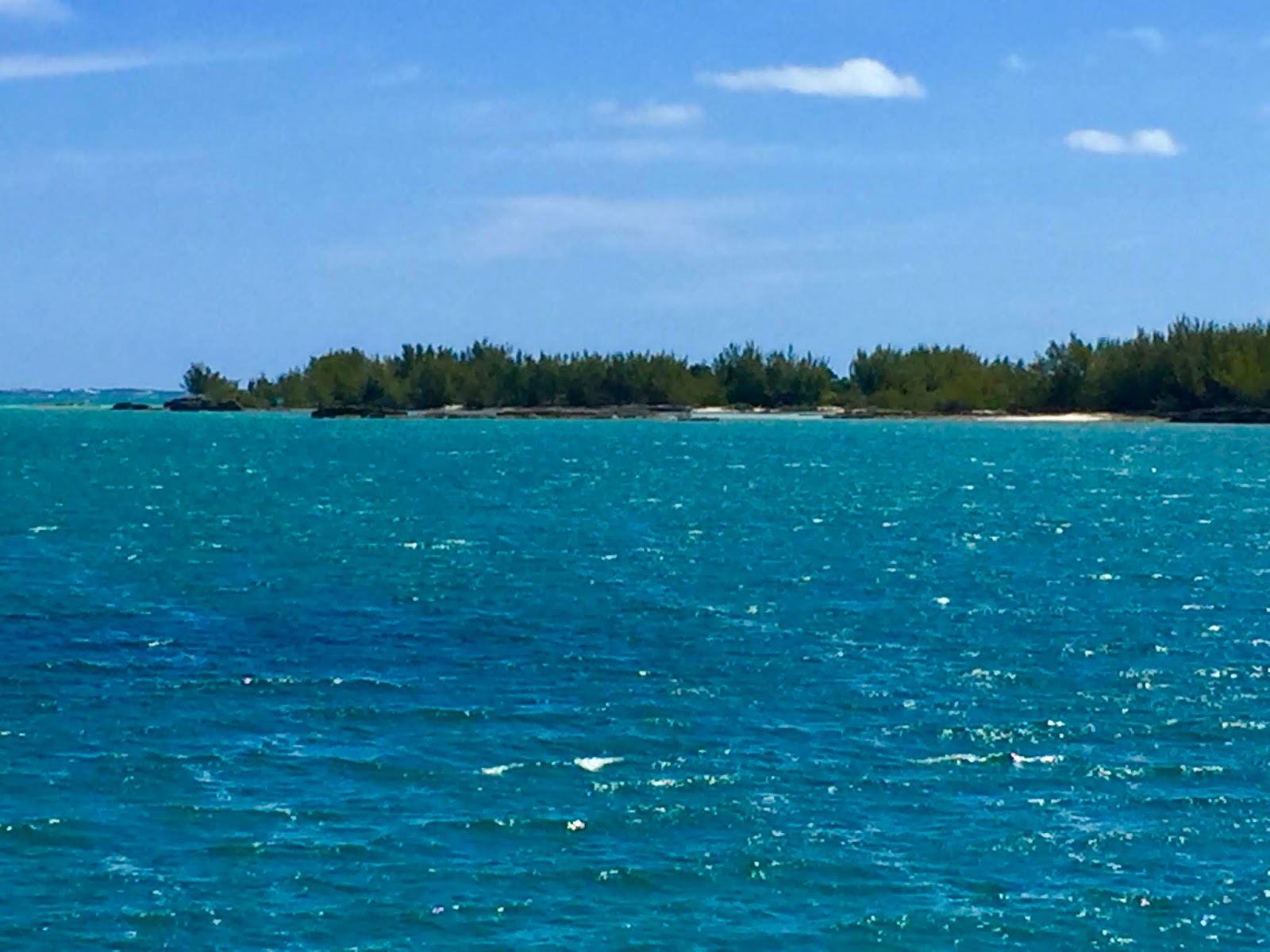
The Red Head crew left Hope Town this morning to head 16 miles to Water Cay, a small, uninhabited (we hope) cay off of Archers Cay.
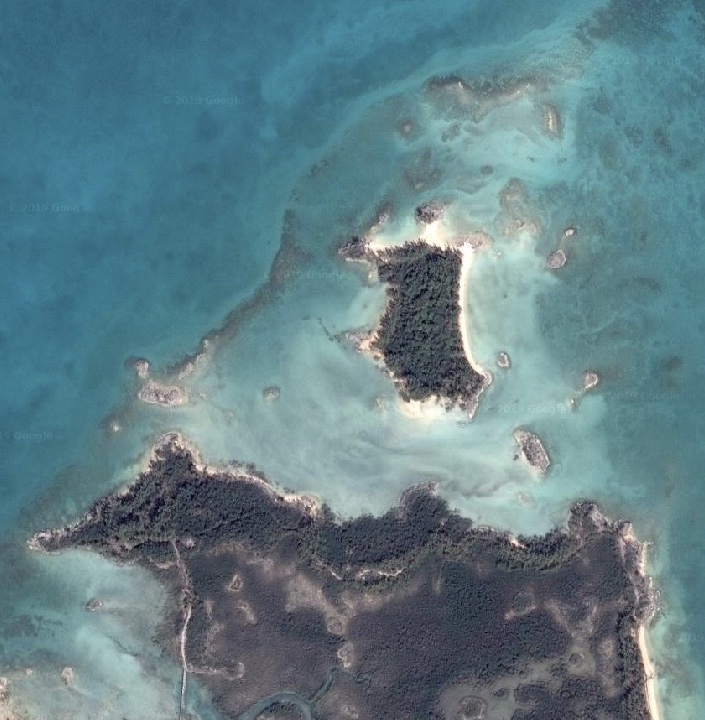
The plan is to take Dylan, Dee Dee, and Dora ashore tomorrow for a beach romp. Dad chose Water Cay because…
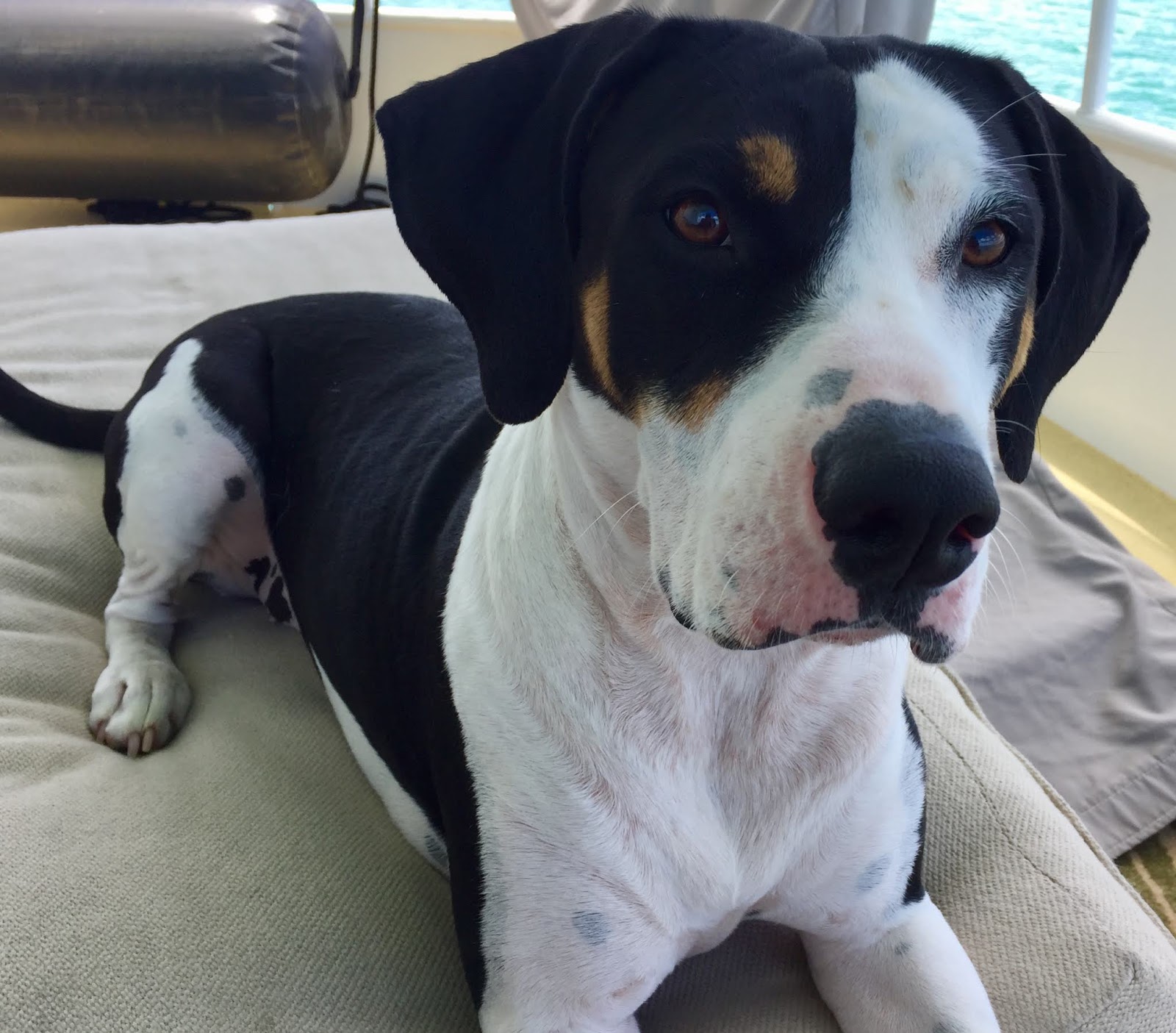
“someone” could be left off leash as there is really no where to go. We’ll see if the plan works tomorrow – fingers crossed.
April 5 – Harbour Island, Eleuthera
“When all the dust is settled and all the crowds are gone, the things that matter are faith, family, and friends.” – Barbara Bush
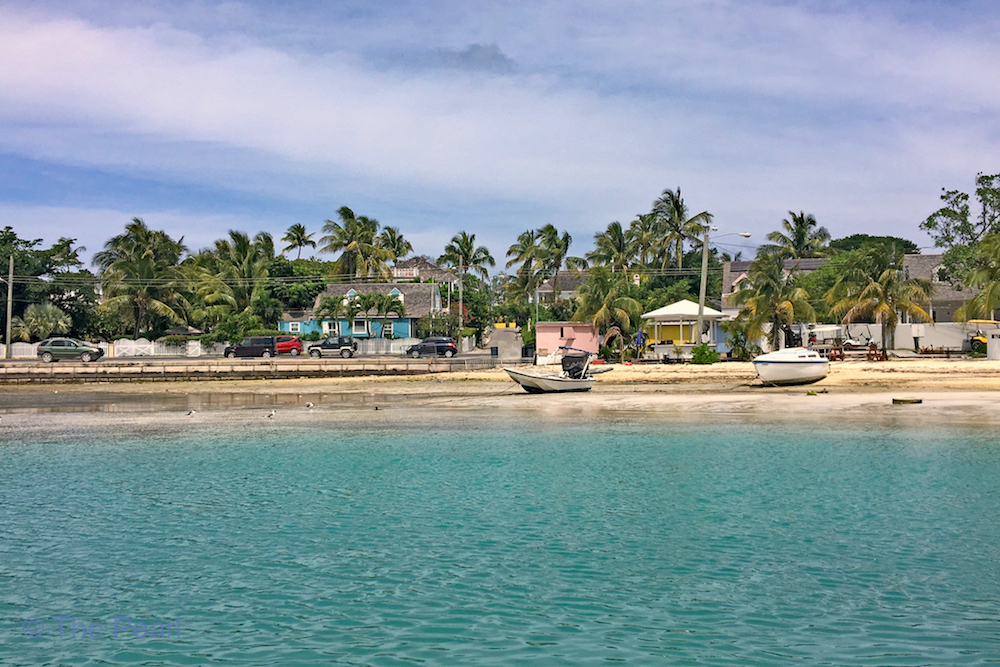
By Friday we all decided to go our own way for part of the day…Eric and his family spent the day at Sky Beach Resort, Kyle and his family went back to our favorite little beach on the Exuma Sound and Stan and I drove north to explore Harbour Island. The island is located at the northern end of Eleuthera and is called “Briland” by the locals. A sign welcomes you that reads, “Welcome to Harbour Island, Home of Friendly People”.
CONTINUE READING HERE…»
Amsterdam to Heligoland
Just over four months after arriving, we departed Amsterdam on a calm but chilly morning and exited the canal system into the North Sea at IJmuiden. From there we made a 200nm overnight run to the German holding of Heligoland to pickup a load of duty-free diesel. Conditions were wonderfully settled most of the way…
Hooray!
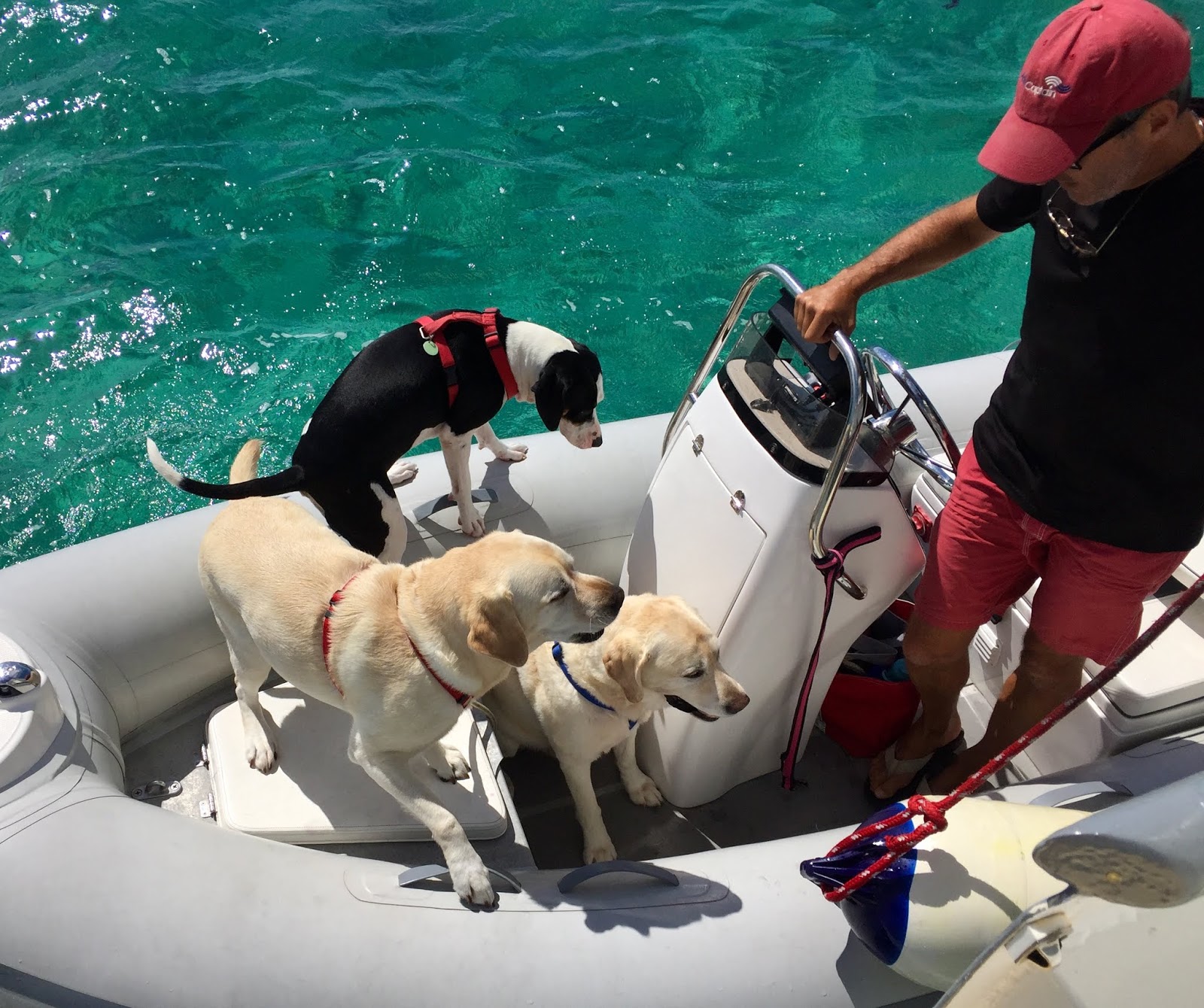
After several days “stuck” on Red Head, Dylan, Dee Dee, and Dora finally got to take a dinghy ride around Hope Town.
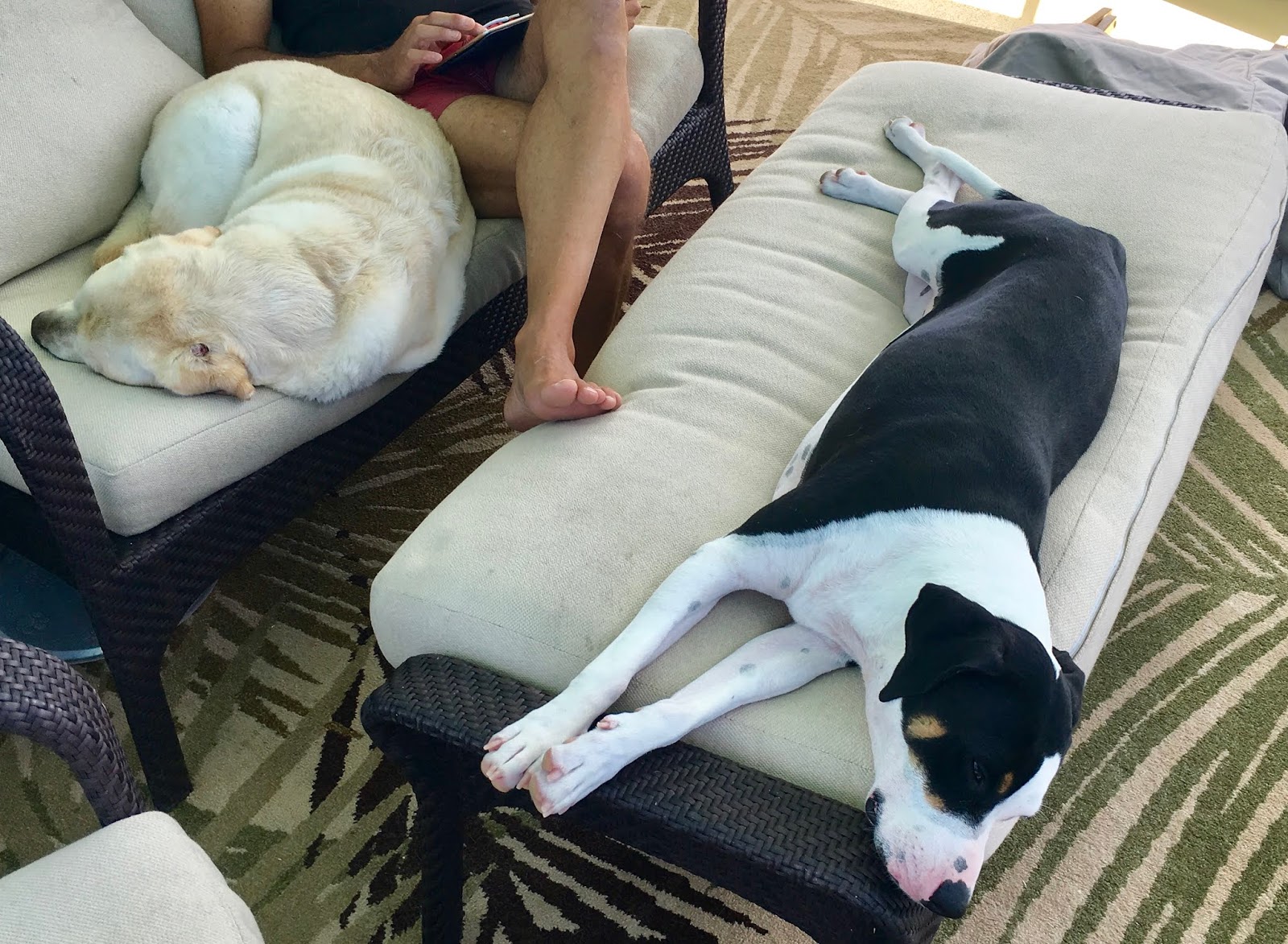
Unfortunately, there was no good spot for getting off and romping, but the crew still managed to tire themselves out…
Family Time
“These hands have held many things, but nothing as sweet as the hand of a grandchild.” – Unknown
The best part of this vacation was watching our grands play…we all had a wonderful time together. Most of our week was spent relaxing on the beach, swimming in the pools and enjoying our beautiful house. Here are a few pictures from our fantastic week in Eleuthera.
The best part of this vacation was watching our grands play…we all had a wonderful time together. Most of our week was spent relaxing on the beach, swimming in the pools and enjoying our beautiful house. Here are a few pictures from our fantastic week in Eleuthera.
Amsterdam Visitors
In addition to being a wonderful place to live and complete some boat projects, City Marina IJDok also was convenient for visitors. This gave us an opportunity to catch up with some old friends, meet in person some that we’d only corresponded with, and make new acquaintances with locals or those travelling to the area….
MAINTENANCE MANAGEMENT
We are currently home in Auckland, NZ and expect to return to Envoy to do some cruising mid-May. Envoy’s new owners will join us during part of this time for a joint cruise.
There all types of boaties and about as many different approaches to the subject of boat care and maintenance. At one extreme plenty of derelict-looking boats can be seen on moorings, apparently never used with growth dangling below their hulls, while at the other extreme some owners can be seen on their anchored boats lovingly cleaning their pride and joy all day long.
Boating is about enjoyment – cruising to great anchorages, swimming, diving, fishing, children playing on the beach, BBQs with family and friends etc and as such it’s well to consider that care and maintenance should focus more on the technical than the cosmetic aspects – minor marks and imperfections show that adventures and fun have been had, they add character and are part of a boat’s life story. This is not to say that gelcoat and stainless steel shouldn’t be cared for and we’ve learned long ago that regularly washing accumulated salt off our topsides and stainless steel pays huge dividends. We also get our topsides gelcoat professionally polished annually.
It can be challenging to monitor all of the checks and subsequent maintenance required aboard modern vessels with the growing complexity of the equipment they carry, especially as we all tend to focus on the immediate problems needing our attention rather than those in the future. So how can we keep track of the myriad of routine maintenance issues?
Our own approach is to be pragmatic and practical but not pedantic and we try to strike a balance between preventative maintenance and “if it ain’t broke don’t fix it”.
Maintenance normally falls into one of three categories:
# something that you notice needs doing – eg you see a frayed vee belt
# something based on hours of use – eg replacing engine oil and filter after 200 hours
# something based on elapsed time – eg replacing your oil and filter annually regardless of elapsed hours
The simplest way to manage this process is to go through the maintenance sections of your equipment manuals and make one list of what needs to be done at various time intervals, for example daily, weekly, monthly, 3-monthly, annually etc, plus another list showing the equipment to be maintained and its maintenance requirements every 100 hours, 200 hours, 500 hours etc.
When planning your maintenance consider that it’s often best to group similar maintenance items together. For example when replacing the oil and filters on the engine(s), consider doing the generator at the same time, particularly if you’re paying a mechanic to do this – if your oil is supposed to be changed at 200 hours it doesn’t really matter if it turns out to be 180 or 220 hours.
Some owners like to do as much as possible themselves while others like to mostly use contractors.
If using contractors try to be aboard your vessel while they’re working. It may lead to better results and at the least you will often learn useful information. Always check what has been done including a sea trial if anything more than minor work has been done on vital equipment.
It’s a good idea for any boat to have an Operation Manual. This can range in size from a few pages for a smaller boat to probably around a hundred pages for a larger complex one. Not only does this simplify the operation of your boat but it’s a valuable asset when it’s time to sell. This Manual should document where equipment is located – particularly for safety-critical items like isolating switches and seacocks, how systems work – for example how to change from one fuel or fresh water tank to another and maintenance procedures – how to change oil, oil filters, fuel filters etc.
Another useful document is a list of spare parts carried aboard and their location, so they can be found quickly in an emergency like a vee belt breaking on your main engine while under way. Keep this updated so that used parts are replaced as soon as possible. Parts are expensive and should always be well packaged for their protection and stored in cool, dry conditions.
Aboard Envoy we like to keep things simple and rely on a few handwritten documents. Rather than jotting things down on various pieces of paper that get lost we use a Daybook to write down information relating to the boat’s operation. For example if we’re thinking about replacing an item of equipment and want to do some research about it we note the pertinent facts in the Daybook. We also keep a separate Logbook to record details of the voyage, for example where we’ve been been, what we’ve done and people we’ve met.
Another important document for us is our To Do List and my unlikely-to-be-achieved life’s ambition is to have nothing on this list (I’ve yet to meet a boat owner who says there’s nothing that needs doing on their boat).
Finally to maximize your technical security and independence it’s essential to carry aboard a comprehensive toolkit, manuals for all installed equipment, and an extensive range of chandlery items. Then even if you can’t fix something yourself this may enable a fellow boatie to assist you.
