
Charleston, SC was founded in 1670 and has done an excellent job of preserving its heritage and historic sites and buildings. On a surprisingly cold and frosty morning, we did a bicycle tour along the city’s historic waterfront. Trip highlights from January 8th, 2017 in Charleston, SC follow. Click any image for a larger view,…
Why choose a Bed and Breakfast?
We’re different. Some might even say we’re crazy! Maybe it’s getting up really early to prepare and make breakfast; Maybe it’s all that cleaning, making all those beds every day; But what we do is not just a job, it’s … Continue reading →
Jeff Merrill Joins The FPB Team – Posted by Sarah
Berthon has just announced the appointment of Jeff Merrill as Ambassador for the FPB Brand on the West Coast of the …Read More
FPB 78-2 Is Heading For Water
FPB 78-2 has emerged from the berthing shed at Circa. The 15th FPB is headed down the road for launching and …Read More
New Cruising Plans
Where do we want to cruise next? This is always a topic of conversation as we plan our yearly travels. Having cruised up and down the east coast for the past ten years, we are ready for a new adventure. The Bahamas are nice but to go further south down into the Carribean would present […]
28 February 2017 Odessa, TX, – Carlsbad, NM, – Tucson, Scottsdale, Phoenix, Mesa, AZ
Seeing Odessa in our rear view mirror was not a sad sight, although we were pleased with the Cummins mechanic who made headway on our engine issue. We rank Odessa right up there with Carrabelle, FL, and not one of our favorite towns.
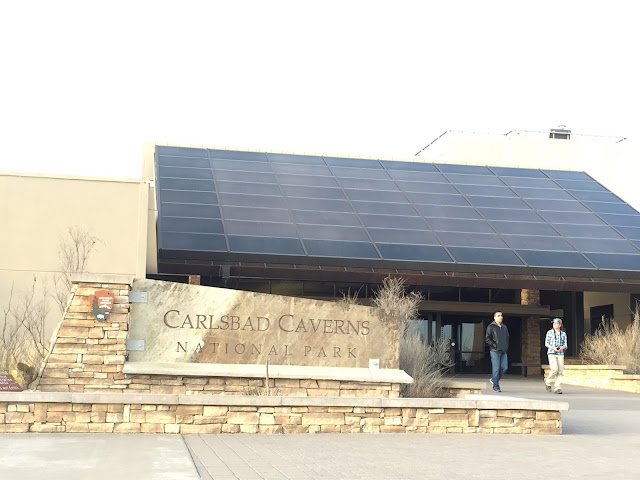
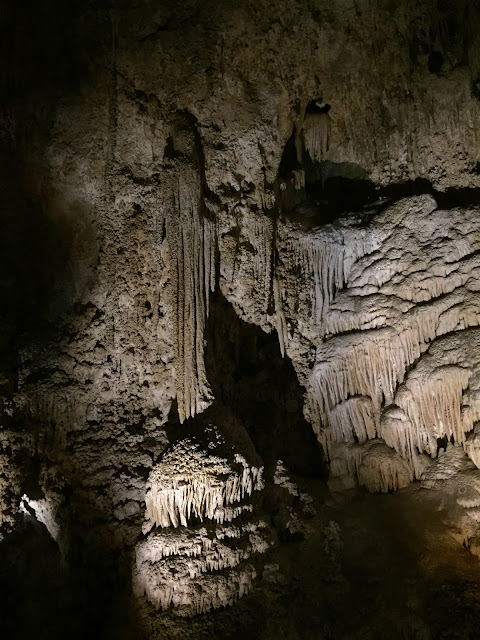
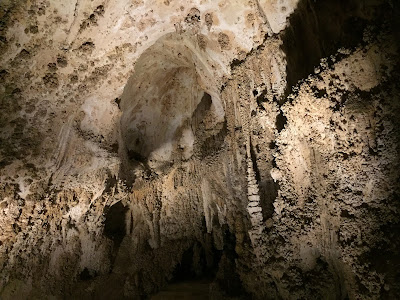
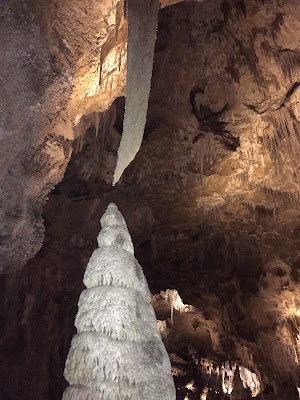

The Guadalupe Mountains National Park in New Mexico protects one of the world’s best examples of a fossil reef and is home to Carlsbad Caverns. Both of these are found in the Chihauhauan Desert.
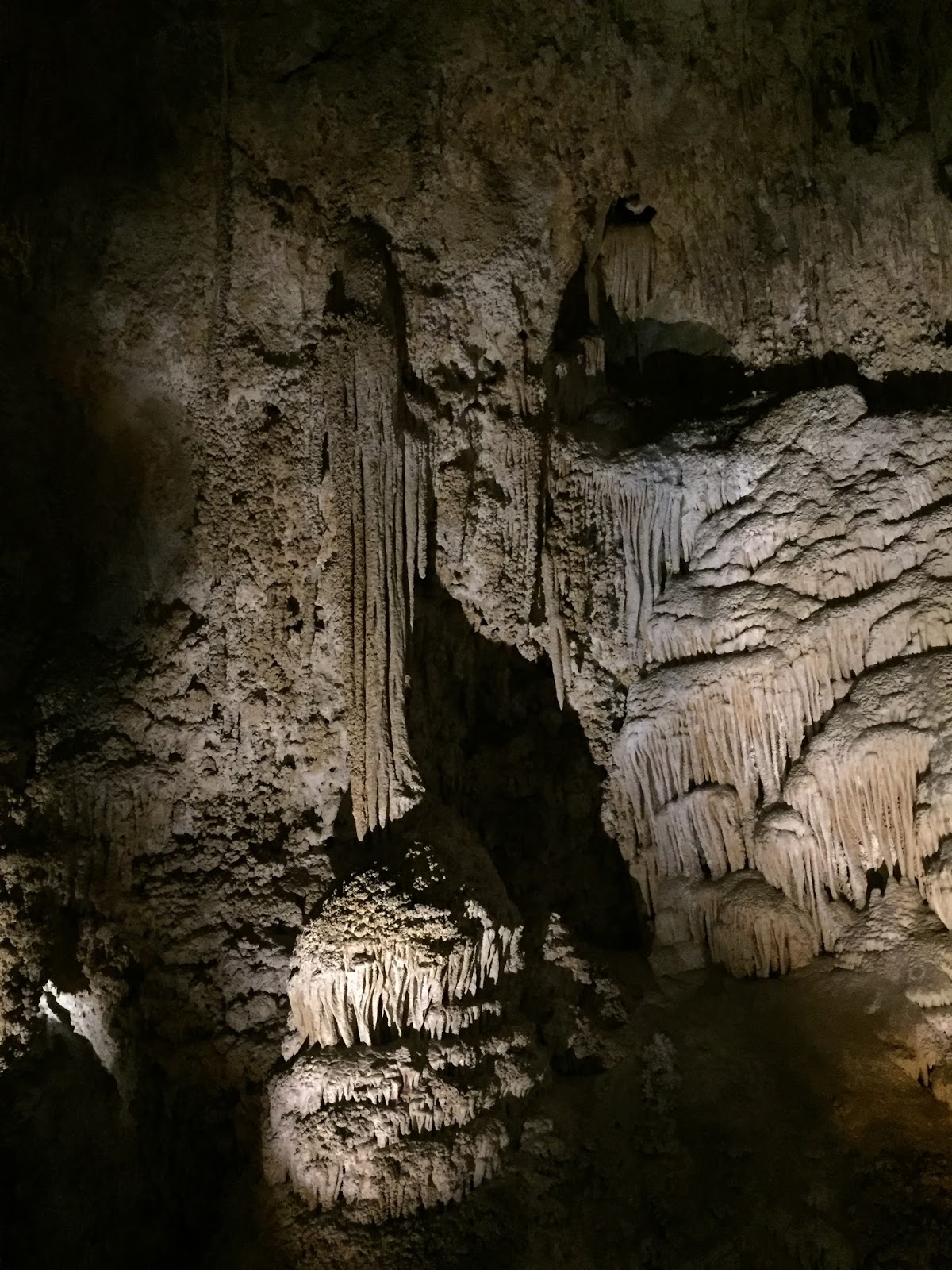
Carlsbad was better than our memory served us from our visits there as children. It has no equal that we’ve experienced and is a domain of gigantic subterranean chambers with fantastic cave formations. Every step we took elicited gasps of wonder and amazement at these exquisite formations that God has given us to enjoy.
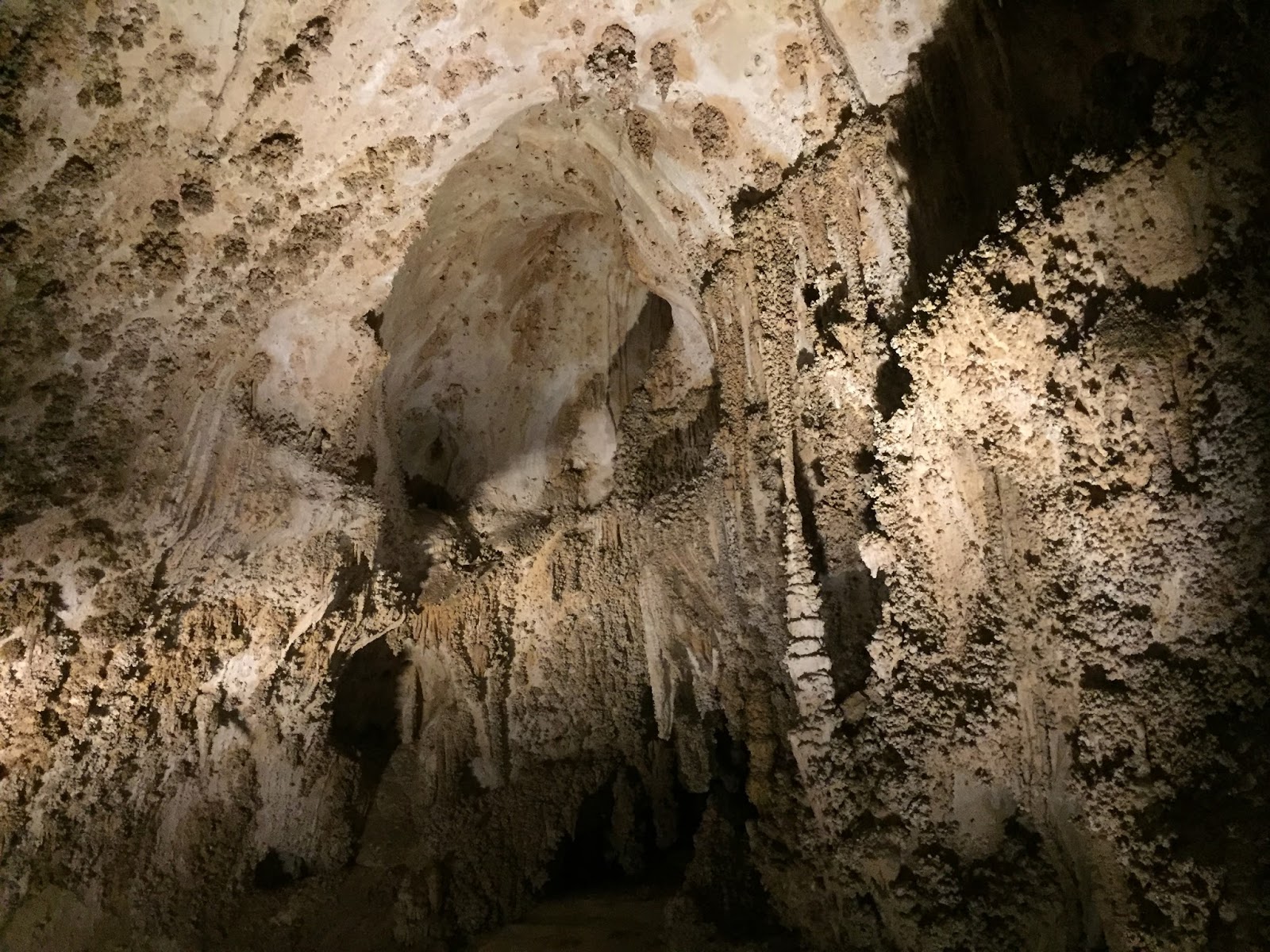
We were over 750 feet below the desert’s surface where the year-round temp is 56 so our jackets felt comfy.

Rangers and exhibits were available to provide in-depth information about the ecology, history, and cave formation. The cave is a complex maze of limestone rock reminding us of Swiss cheese.
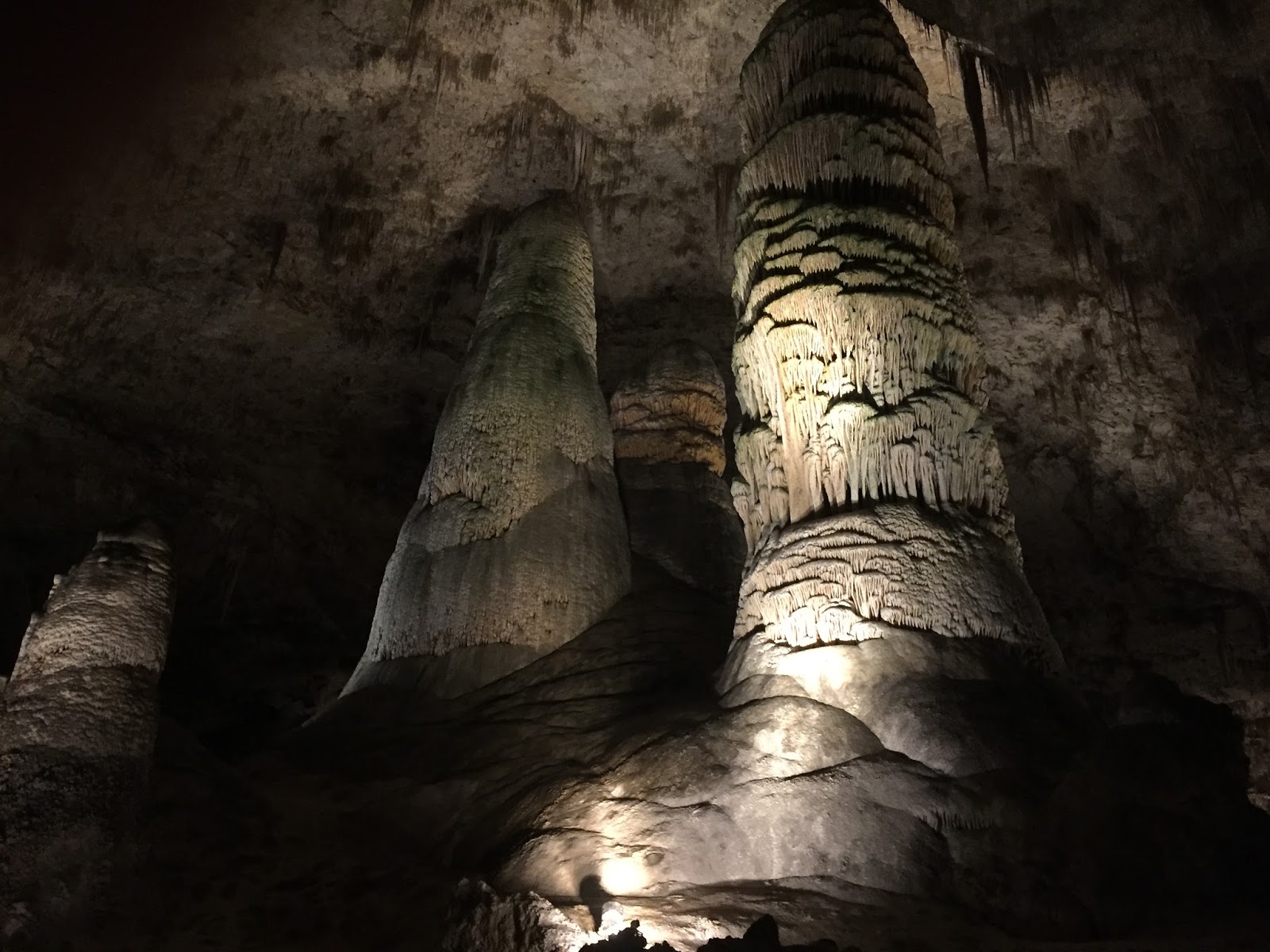
There’s a 200,000 ton boulder that fell from the cave ceiling thousands of years ago and is called the Iceberg Rock. Some that we walked beneath didn’t appear to be hanging on too tightly making us want to scurry.

The story of Carlsbad Caverns began 250 million years ago with the creation of a 400 mile long reef in a sea that covered this region. The reef formed from the remains of sponges, algae, seashells, and calcite that precipitated directly from the water. As the reef rose, cracks developed in it. Eventually the sea evaporated and the reef was buried under deposits of salts and gypsum.

Rock of Ages
The stalactites, stalagmites, and other formations began over 500,000 years ago after much of the cavern had been carved out. It happened slowly—drop by drop—at a time when a wetter, cooler climate prevailed. Creation of each formation depended on water that dripped or seeped down into the limestone bedrock and into the cave. As a raindrop fell to the ground and percolated downward, it absorbed carbon dioxide gas from the air and soil, and a weak acid was formed. As it continued to move down, the drop dissolved a little limestone, absorbing some of the basic ingredients needed to build most cave formations—the mineral, calcite. Once the drop finally emerged in the cave, the carbon dioxide escaped into the cave air. No longer able to hold the dissolved calcite, the drop deposited its tiny mineral load as a crystal of calcite. Billions and billions of drops later, thousands of cave formations had taken shape.
Then a few million years ago, uplift and erosion began to uncover the buried rock reef. During this uplift that would become the Guadalupe Mountains, rainwater seeped downward through the cracks and faults in the limestone. Simultaneously, hydrogen sulfide-rich water migrated upward from expansive oil and gas fields. When these two waters mixed, that formed sulfuric acid which dissolved the limestone and opened up the fractures and faults into the large chambers that we saw on our tour. As the mountains were pushed up, the level where the rooms and passages in the cave were being formed, moved lower into the ancient reef rock. This process created nearly horizontal levels connected by steep passages in Carlsbad Caverns.
In the summer, the Mexican or Brazilian free-tailed bats put on a spectacular show at night as they fly from the cave by the thousands to feast on insects. They winter in Mexico so we missed them. Did you know that they are the only mammal that flies. They have fur instead of feathers, and they also give birth and nurse their young.

Bisbee, AZ, once known as “Queen of the Copper Camps,” offers a blend of history, architecture, romance, and adventure all wrapped up in the rugged splendor of a charming Old West mining town.

Lavender Pit Mine
Abandoned open copper pit mine
Bisbee had a reputation of sophisticated élan but it was also a rough and tumble mining camp. Their famed red-light district in Brewery Gulch, boasted nearly 50 saloons and almost as many brothels. During its hey day it was considered the wildest street in North America. Well-know wild women offered their charms to miners, gamblers, and a string of millionaire investors. This tiny village, once a copper mining town, has the first rural Smithsonian Affiliate museum in the nation that showcases the historical influence of mining. The building that houses the museum is a National Historic Landmark and is the cornerstone of Bisbee’s Historic District.


Paintings on risers of steps near old brothel area
In 1877, a reconnaissance detail of scouts and cavalrymen were sent to the Mule Mountains, a north-south range running through southern Arizona, in search of renegade Apaches. Instead, they found signs of copper. The first mining claim was staked in what would later become the City of Bisbee. This claim sent prospectors scurrying to the Mule Mountains in hopes of striking it rich. Today, Bisbee has transformed itself into a quirky, artsy town that offers historic lodging, fine dining, museums, art galleries, and antique shops. There’s nearby hiking, biking, and birding opportunities.

I found the town’s architecture to be quite interesting. The Sheriff’s Office and Justice Court is a Classical Revival-style building with lovely large columns topped with ionic capitals and dented cornice. In Brewery Gulch, there is a building built by a Serbian immigrant in 1906, with Romanesque Revival with Neo-Classical influence. It makes for an impressive entrance to the Brewery Saloon. Strolling down Brewery Ave you can see an ever-changing assortment of architectural styles once home to residences and businesses. The old city Hall has a cut stone facade and Italiante bell tower. Across from the Brewery is a building with rusticated Italianate influences. Although a “Tiny Town”, everywhere I looked, I saw something to grab my interest. Did you know that St. Elmo is the patron saint of mining?
Our intentions were to stop in Tombstone but it has kind of become ‘nothing’ and after our experience in Deadwood last year, Tombstone would’ve paled in comparison so we drove right through and on to Tucson.
Tucson’s Pima Air and Space Museum was also a stop recommended by friends. In recent years, a conservatory group recognized that the historic World War II and 1950s era aircraft stored on the base were rapidly disappearing into smelters and that the flames were consuming not just metal, but the aviation heritage of our country.

They began to set aside examples of the many types of aircraft stored in yards. These planes were placed along the base’s fence line so that the public could see them through the fence. The display quickly became very popular with the local community, but viewing the aircraft through the fence was somewhat unsatisfying.
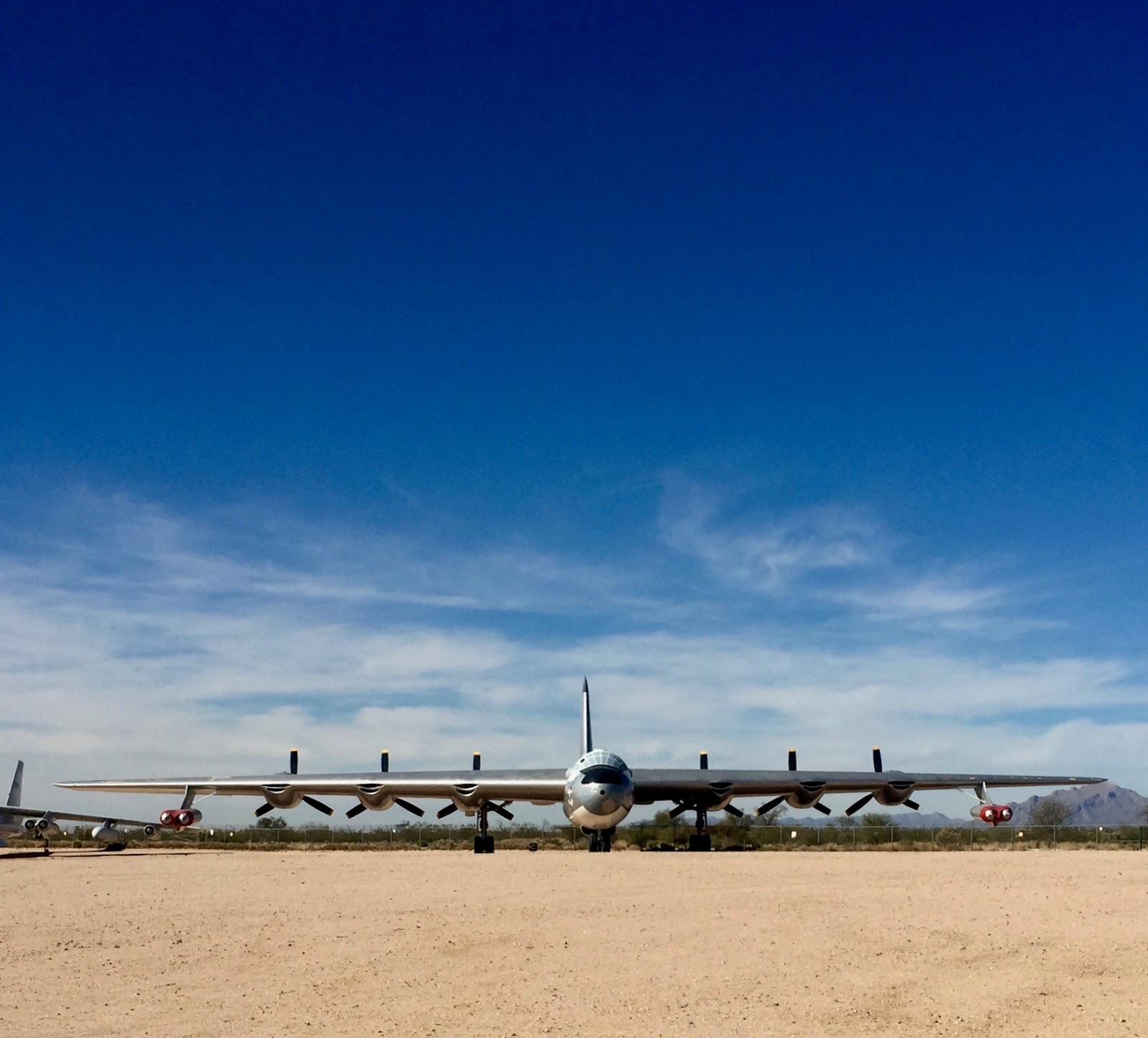
The first acquisition was a B-24 (not the one above) which is housed in a hanger all by itself aside.

A swimming friend from decades ago, Ted, lives in Tucson. We met ever so long ago when we were both active in US Masters Swimming and would participate in Masters Short Course Nationals. Had hoped to get together with them–he’s never met Bill and we’ve never met his wife, Lee, but they were side-lined with a bug. Ted and I were able to enjoy a long phone conversation to re-hash ‘old times’.
We really liked Tucson and most especially its top attraction, the Arizona-Sonora Desert Museum, with is counted in TripAdvisors Top Ten Museums in the country. Unlike most museums, about 85% of the experience is outdoors. Its 98 acres is a melding of zoo, botanical garden, art gallery, natural history museum, and aquarium.

The walking paths are laid out through various desert habitats exhibiting 230 animal species, 1200 types of plants, and one of the world’s most comprehensive local mineral collections.

Our docent was remarkable and fortunately, we were the only 2 in his group. His knowledge was exceptional and there wasn’t a question we asked him (which were legion) that he didn’t know the answer. By the way, their docent program is an intense 15 week training period and is one of the top curriculum in the country.

This museum is beyond belief and flawlessly choreographed with plantings, paths, aviaries, and sectors for rescued wildlife to live in their natural habitat. It would be easy to spend an entire day there. There is a coffee shop and restaurant for a bite and respite.
Our Valentine’s Day Dinner was enjoyed atop an eclectic and funky little boutique hotel.
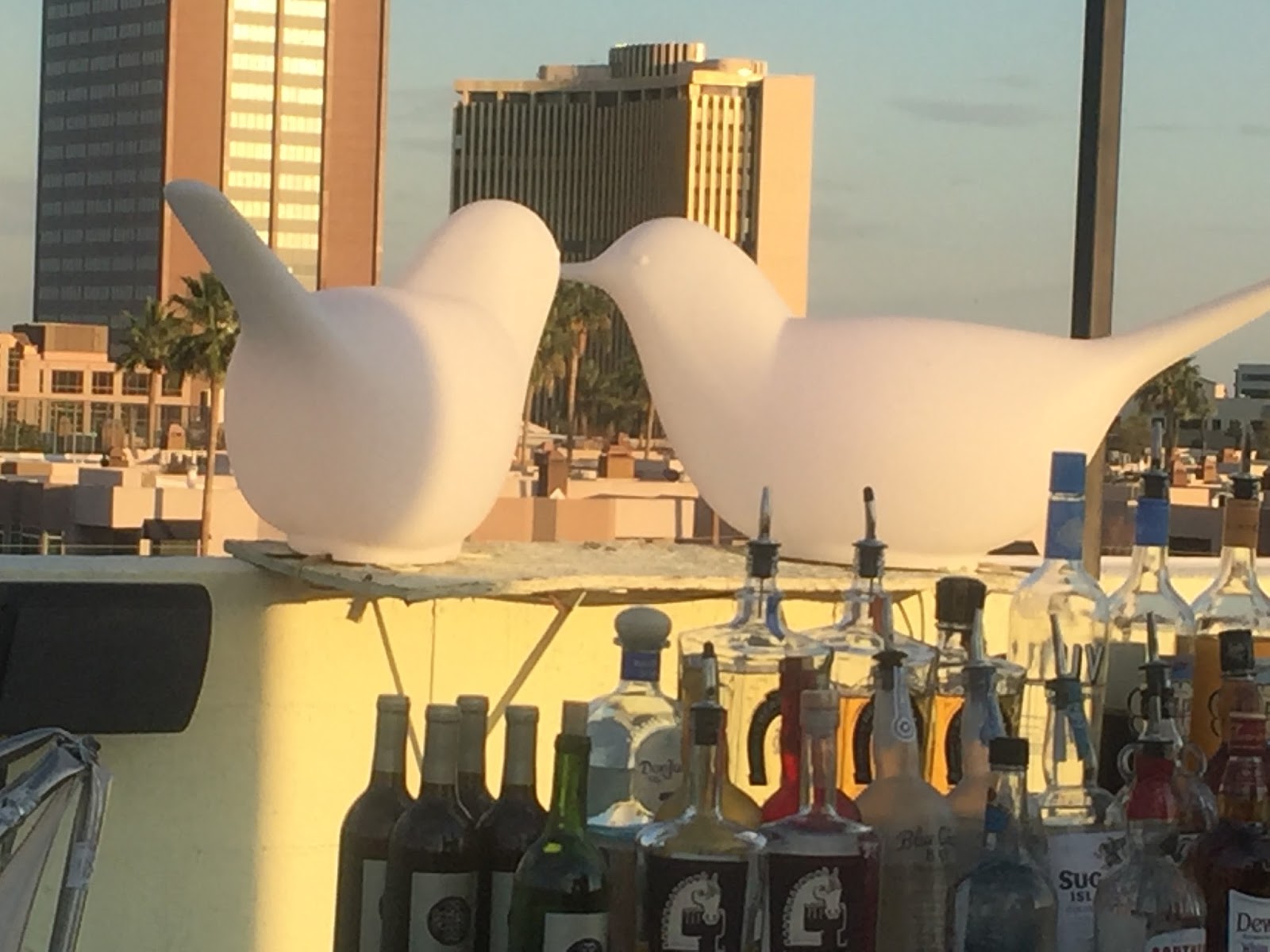
Cocktails were memorable over-seen by two glowing pink love birds

Views were spectacular 360 degrees


View from the top into the square courtyard
State capitols and their museums fascinate us and Arizona’s was no exception.
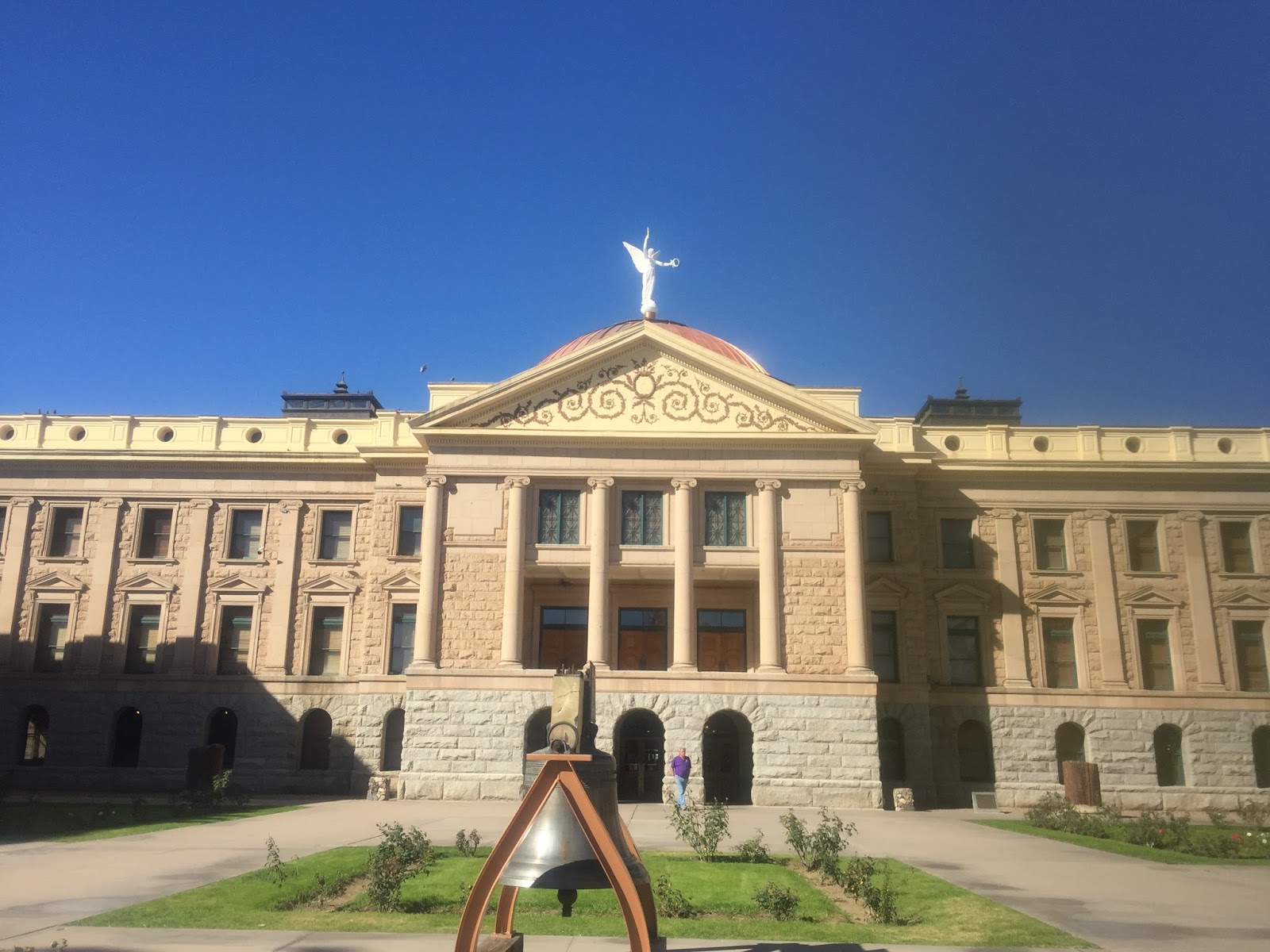
The AZ Capitol museum serves as a symbol of Arizona’s rich and colorful history, featuring four floors with more than 20 exhibition areas.

The dome of the museum.

Mosaic state seal on the first floor as viewed from the fourth floor.

From these stainless sculptures, hangs a plaque of each name of lives lost on the USS Arizona and USS Missouri.

There are many memorials in the park and some that we visited were of the Korean War, 9/11, and Desert Storm. Each plaque describes Arizona’s contributions and were either dedicated to the participating units or the individuals who sacrificed their lives for our freedom.
One of our favorite boating couple friends live in Scottsdale, just outside of Phoenix. Luckily, we were able to spend 2 evenings with them for dinner-one in their lovely new home and the other aboard our rolling home. Time spent with them just never seems long enough.
We took a side trip to Indio, CA, to spend time with Geoff, our son, who was last on the visit-the-son-tour, but not least. Isn’t it considerate of the 5 of them to live along Interstate 10 from AL, to CA? They sure made it easier for us than if there were spread out—NY, WA, OK, HI, etc. Just a straight shot and we were able to spend time with each of them although it took 2 ½ months. We’re retired and in no hurry and we relish every moment and every single mile to have had those opportunities.
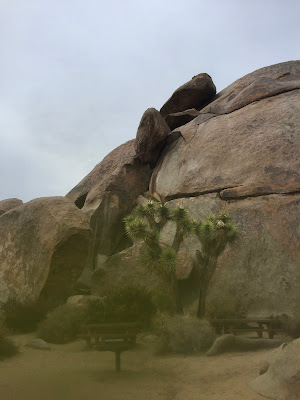
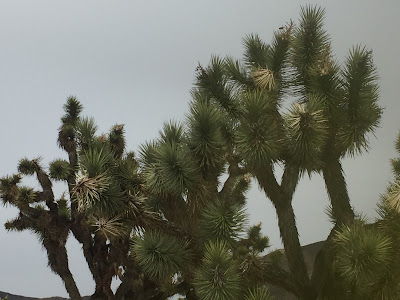
Geoff was our chauffeur and the 3 of us went to Joshua Tree National Park in CA which lies along the San Andreas Fault, one of the world’s most active tectonic boundaries. The park’s premier attractions are forests of giant branching yuccas known as Joshua trees, massive rock formations, and numerous desert fauna and flora. The tree has spiky, succulent leaves and although it could be mistaken for a cactus, instead, it’s a member of the agave family.
One of our favorite boating couple friends live in Scottsdale, just outside of Phoenix. Luckily, we were able to spend 2 evenings with them for dinner-one in their lovely new home and the other aboard our rolling home. Time spent with them just never seems long enough.
We took a side trip to Indio, CA, to spend time with Geoff, our son, who was last on the visit-the-son-tour, but not least. Isn’t it considerate of the 5 of them to live along Interstate 10 from AL, to CA? They sure made it easier for us than if there were spread out—NY, WA, OK, HI, etc. Just a straight shot and we were able to spend time with each of them although it took 2 ½ months. We’re retired and in no hurry and we relish every moment and every single mile to have had those opportunities.
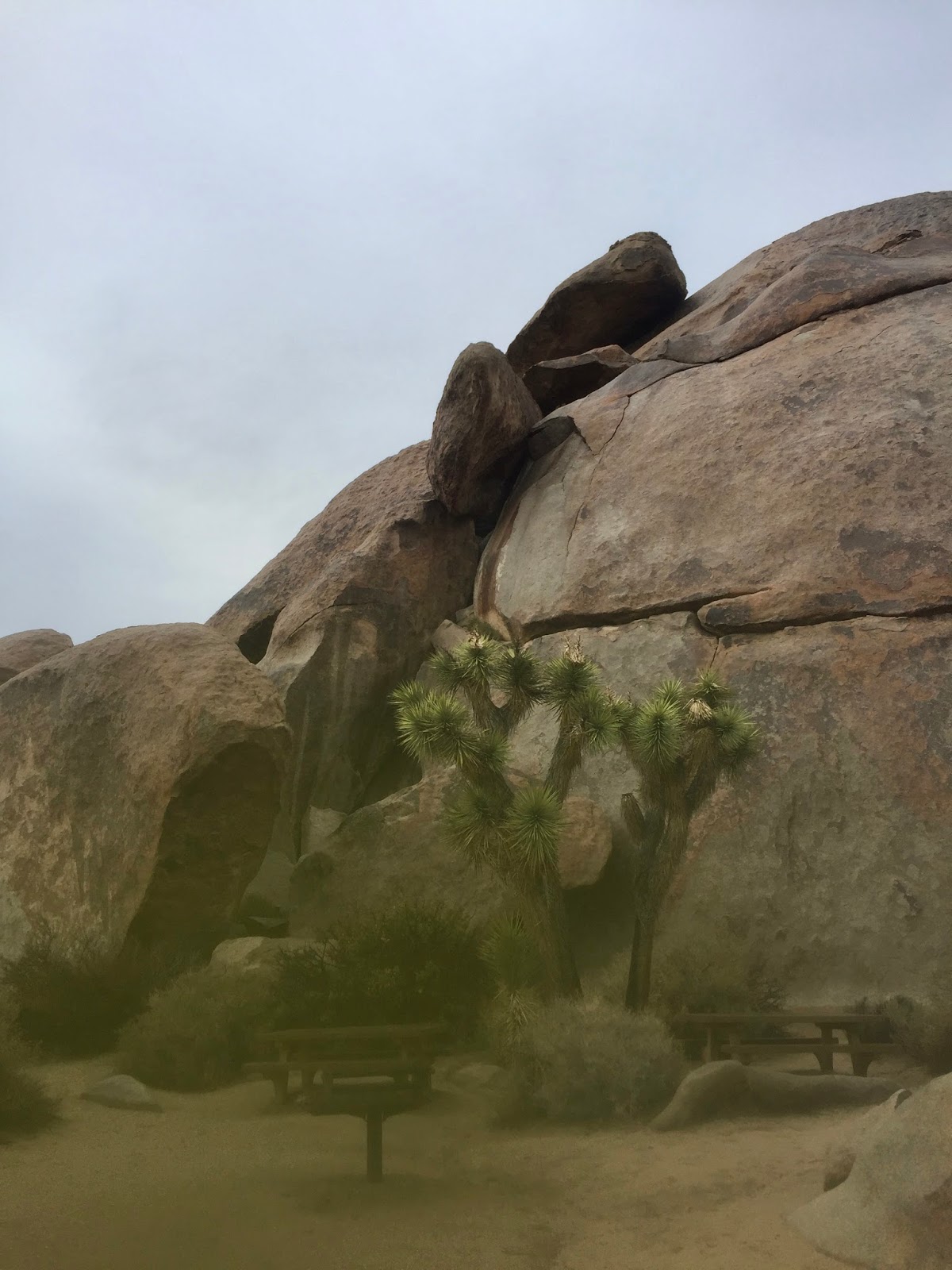
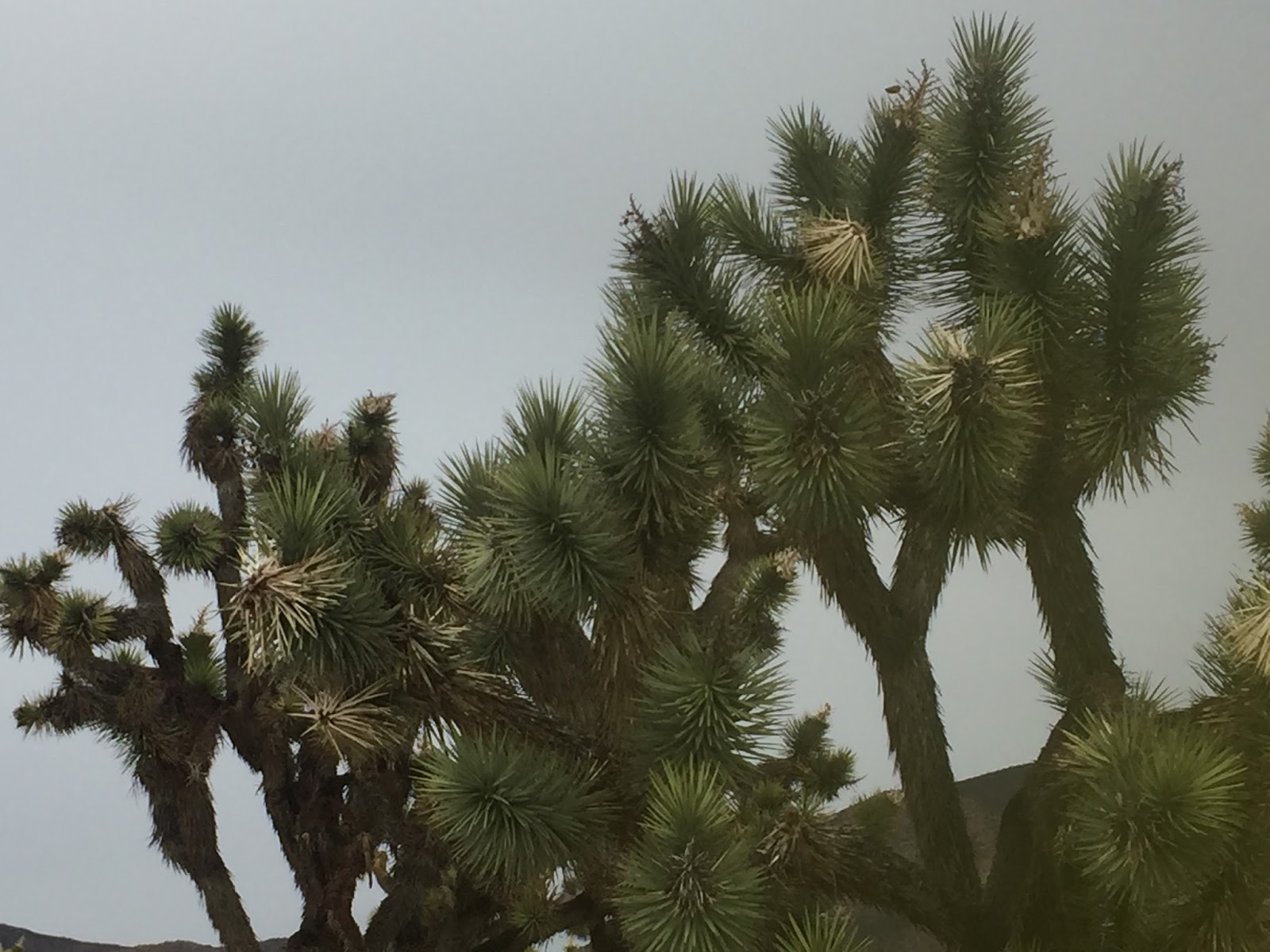
Geoff was our chauffeur and the 3 of us went to Joshua Tree National Park in CA which lies along the San Andreas Fault, one of the world’s most active tectonic boundaries. The park’s premier attractions are forests of giant branching yuccas known as Joshua trees, massive rock formations, and numerous desert fauna and flora. The tree has spiky, succulent leaves and although it could be mistaken for a cactus, instead, it’s a member of the agave family.
The park covers 794,000 acres with a plethora of hiking trails for all fitness and skill levels. There are two desert systems there—the Mojave and the Colorado, both abutted to Joshua Tree National Park on the east and west sides. The Colorado is the western reach of the Sonoran Desert that we visited a couple weeks prior and is considered “low desert” compared to the taller, wetter, and more vegetated Mojave “high desert”. The Colorado seems sparse and forbidding. This is helpful in understanding that the key to their differences is their elevation.
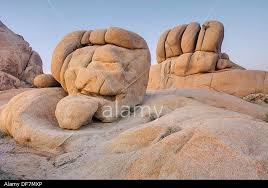
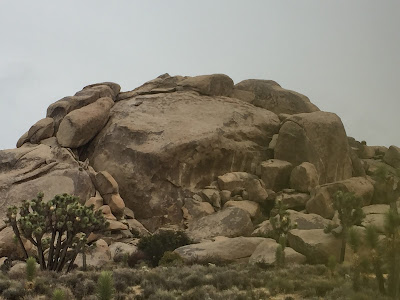
We were more ‘taken’ with the geologic landscape of the park than with its namesake trees. How did the rocks take on such sensational shapes and what forces sculpted them? “They say” that the landscape was born more than 100 million years ago. Molten liquid, heated by the continuous movement of Earth’s crust, oozed upward and cooled while still below the surface. These plutonic intrusions are a granitic rock called monzogranite. Geology is one of the several things I’d like to’ve pursued if I had more than one life but we didn’t need to know anything about geology to enjoy the views here. After taking some time to learn about the forces that sculpted the landscape, I was able to see the park with a fresh set of eyes.
As ground water trickled down through the monzogranite’s joint fractures, it began to transform some hard mineral grains along its path into soft clay, while it loosened and freed grains that were resistant to the solution. Rectangular stones slowly weathered to orbs of hard rock surrounded by soft clay containing loose mineral grains. Imagine holding an ice cube under the faucet. The cube rounds away at the corners first, because that is the part most exposed to the force of the water. A similar thing happened here but over millions of years, on a much larger scale, and during a much wetter climate.
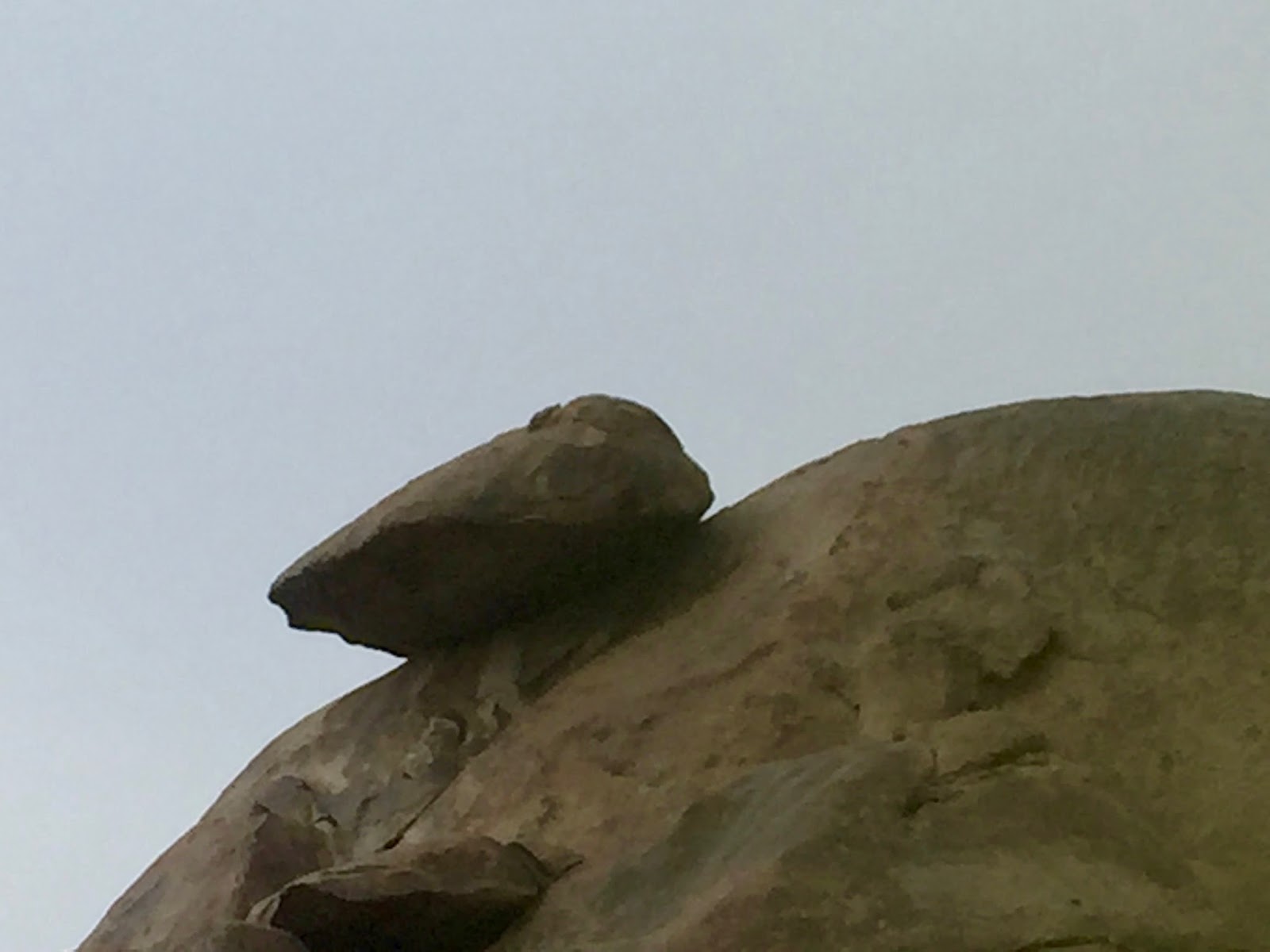
At depths where the temps are extremely hot, water helped melt the rock into granite magma. It was hot, liquid, and lightweight so that it could ooze upward along deep-seated cracks in the crust that had been fractured by the fierce crunching of the charging plates. The liquid granite could’t force itself all the way up to the surface, so the granite stalled and formed huge, ball-shaped masses with the ancient rock.Over a long period of time, the mammoth blobs of granite cooled and hardened.
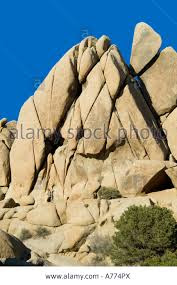
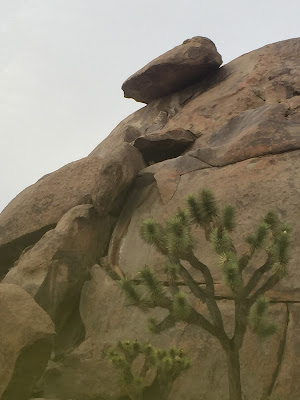
The boulder shapes are so strange and we’ve never seen the likes before. They look like blocks stacked by a child. Some boulders appear to have carved faces, animals shapes, and other forms. Reminded me of lying in the grass as a child and seeing shapes the clouds formed. There are sets of parallel and vertical fractures within the rock from horizontal stresses from the tectonic plates colliding. Later, the mountain building pushed the rocks upward to form sets of X-shaped cracks in the granite. All cracks provide avenues for rain to seep downward through the rocks to etch and shape and round the originally angular blocks into the array of forms seen today.
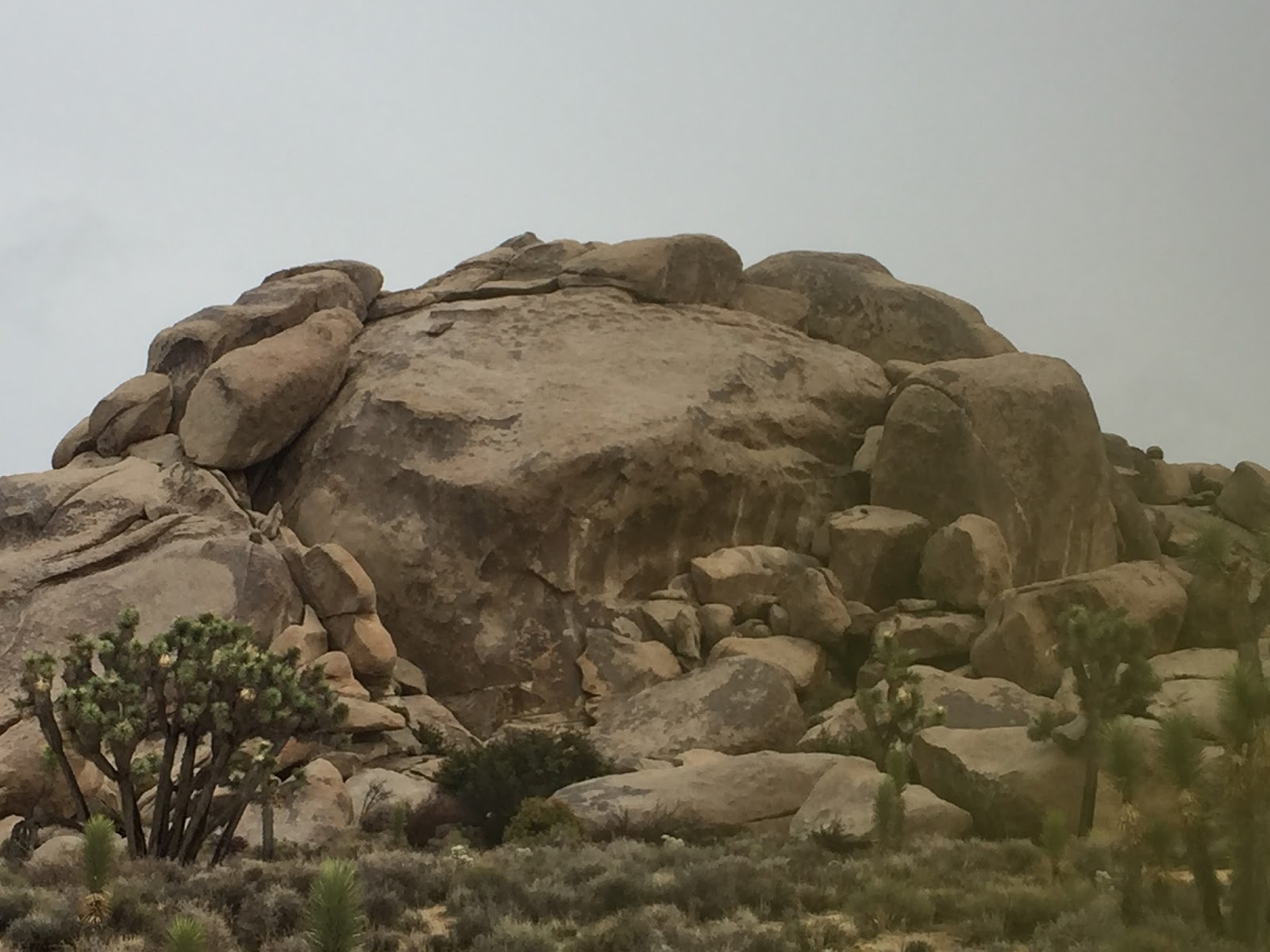
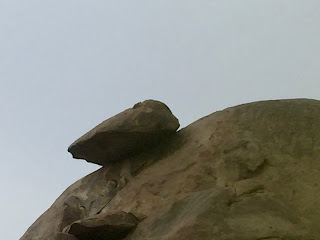
As the huge eroded boulders were exposed, they began to settle one on top of another, creating those imposing rock piles that caused our jaws to drop. The scenery is unequivically mythical, hallucinatory and paranormal all at once. Add a couple of melting watches and Salvador Dali would feel right at home here.

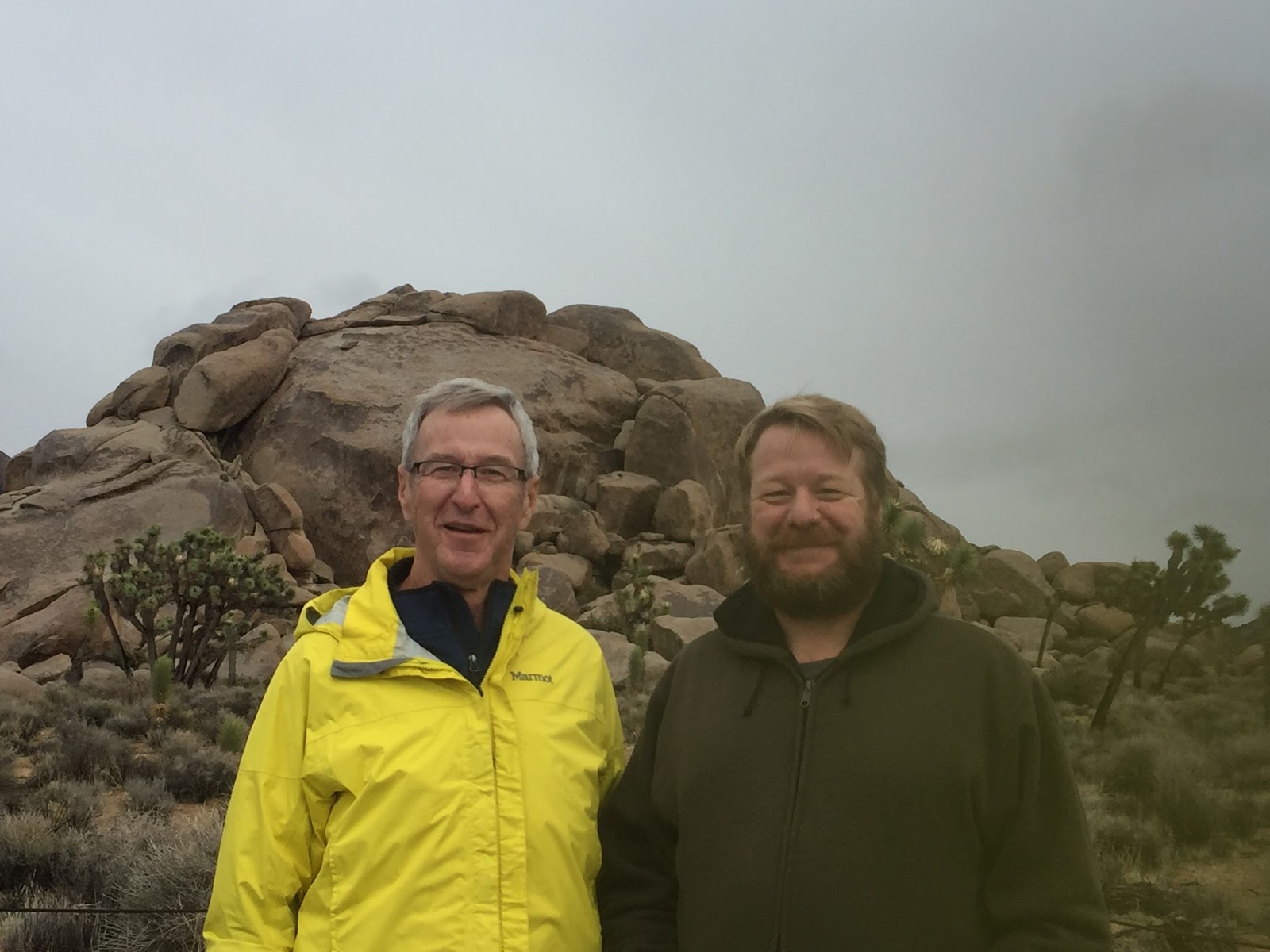
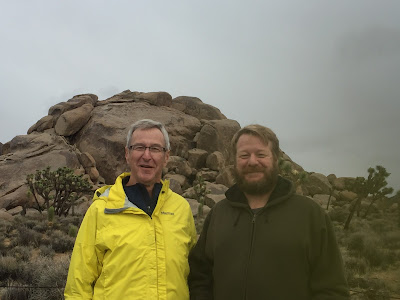
Bill and Geoff
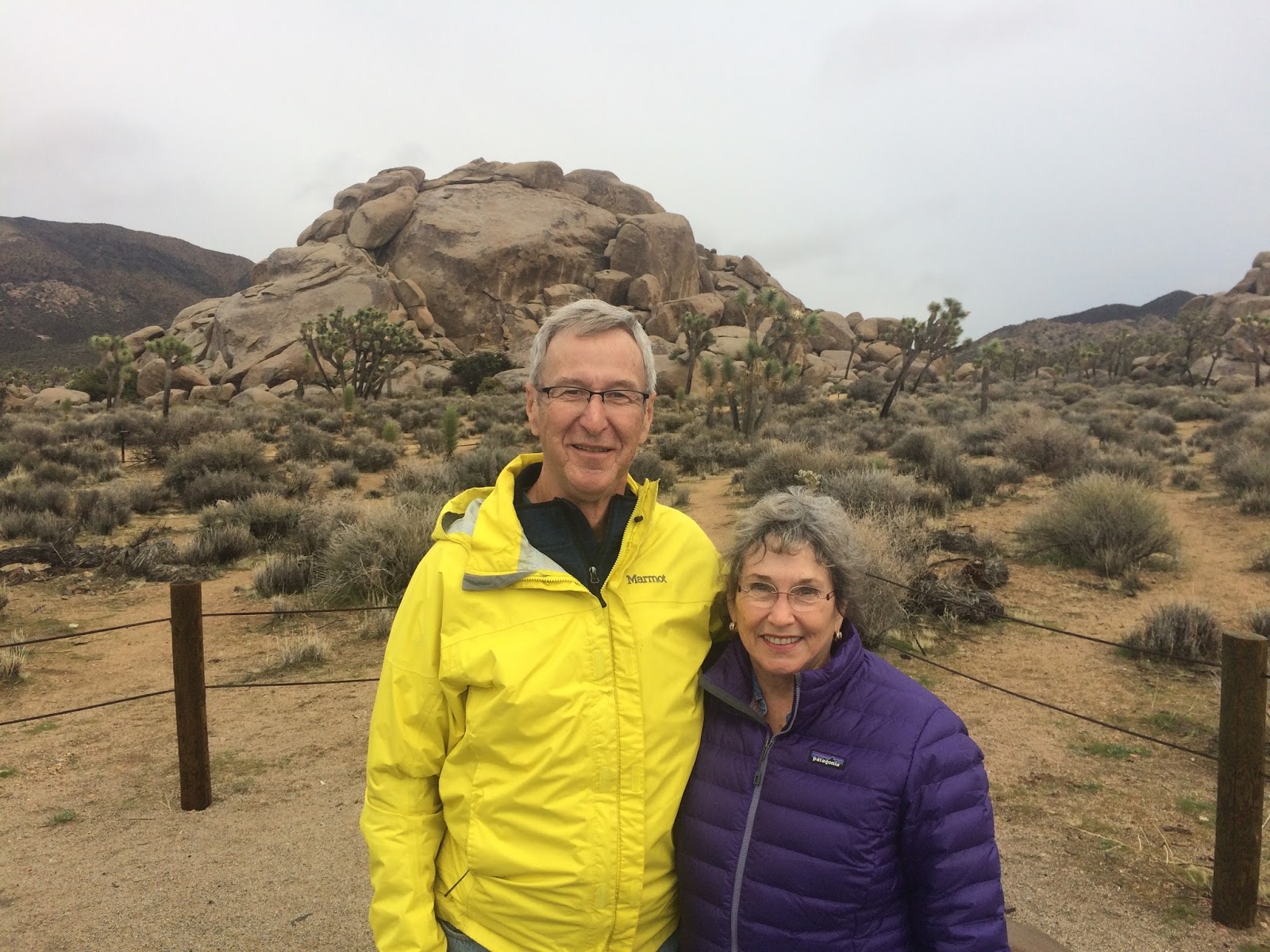
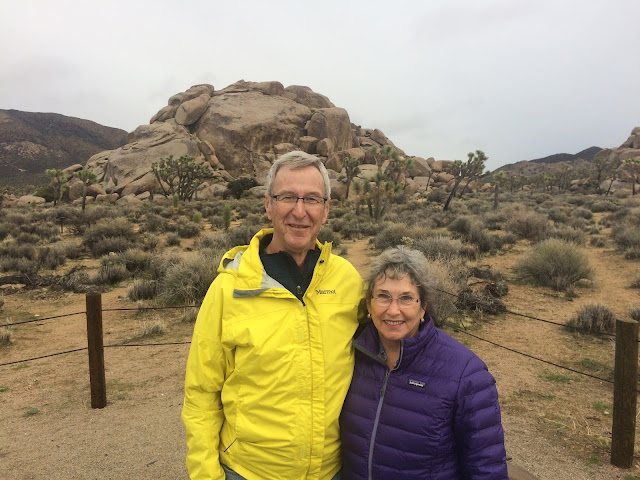
Bill and Laura
Keys View “look out”, in the park at 5185 feet was breath-taking. We were able to overlook a sweeping panorama of an arid desert basin, Coachella Valley and Signal Mountain in Mexico. This was such a visual treat!!!
To say that Bill’s a car aficionado would indubitably be an understatement. He had a “Bill Day” and bet you can already guess where he headed! When Barrett-Jackson has televised auctions, he’s glued to the goings-on. B-J has entertained enthusiasts from all over the world for 46 years and are widely regarded as a barometer of the collector car industry. There wasn’t an auction in progress but they have a show room of collectables or eye candy for Bill.


To say that Bill’s a car aficionado would indubitably be an understatement. He had a “Bill Day” and bet you can already guess where he headed! When Barrett-Jackson has televised auctions, he’s glued to the goings-on. B-J has entertained enthusiasts from all over the world for 46 years and are widely regarded as a barometer of the collector car industry. There wasn’t an auction in progress but they have a show room of collectables or eye candy for Bill.

Barrett-Jackson
Scottsdale, AZ
Martin’s Auto Museum
Phoenix, AZ
We’re back in Phoenix/Tempe/Scottsdale for a week, giving us time to relax and enjoy the city. We’ve had a blast riding the Light Rail here and talk about a “cultural experience”. Bike/Hike trails are plentiful so we rode our bikes for miles exploring the cities and enjoying the Salt River activities.
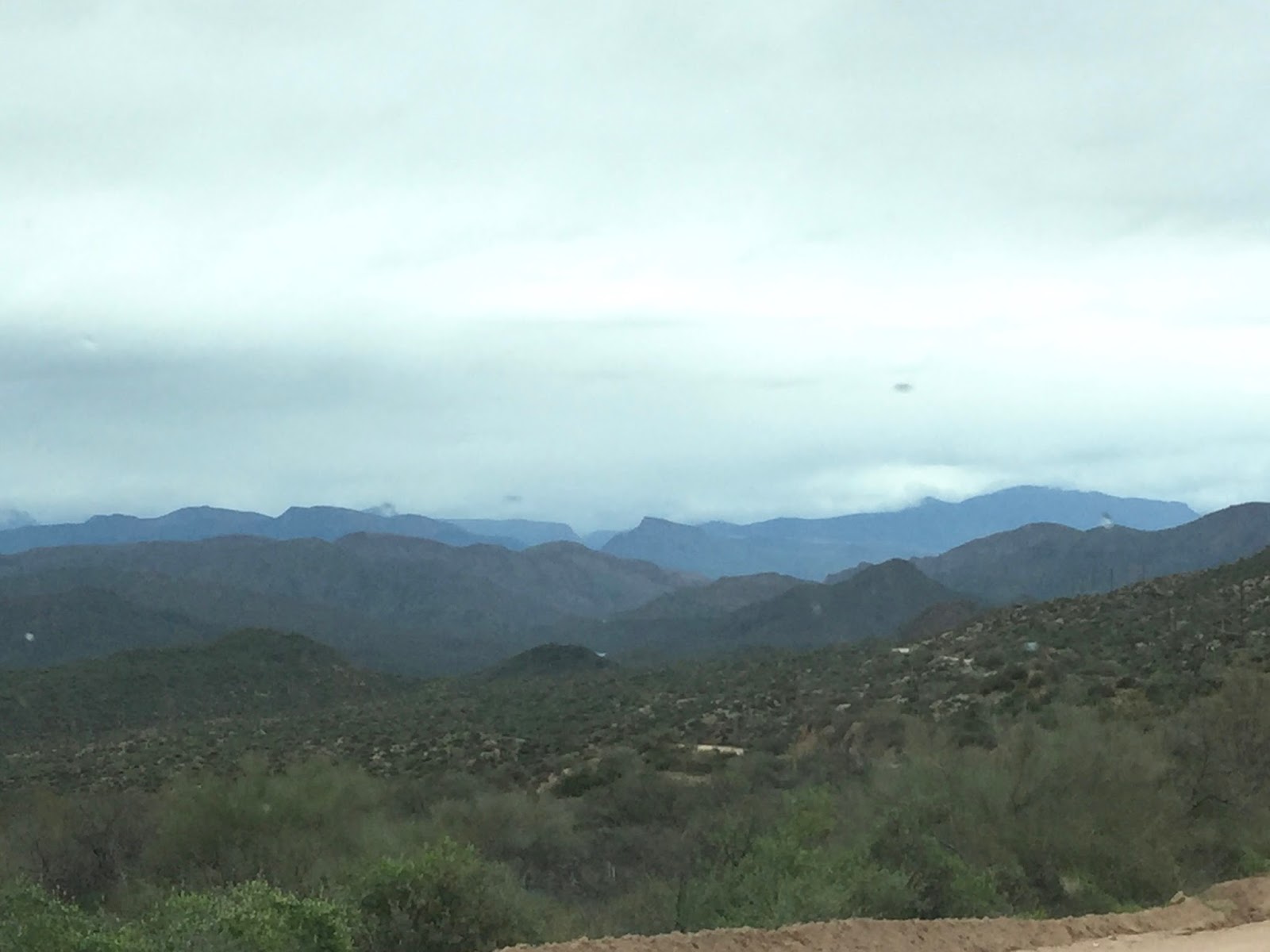
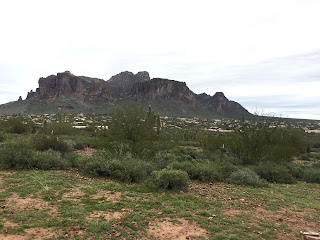
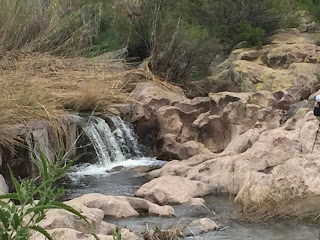
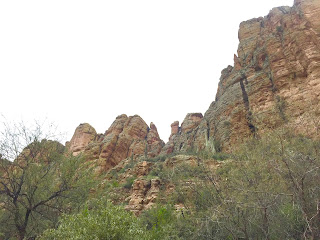
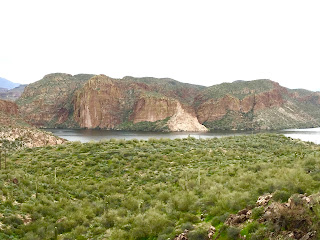
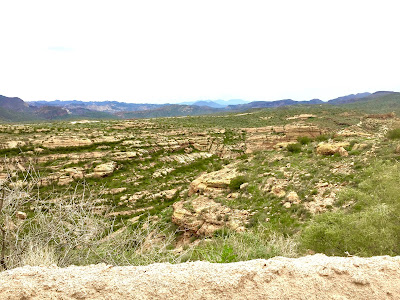
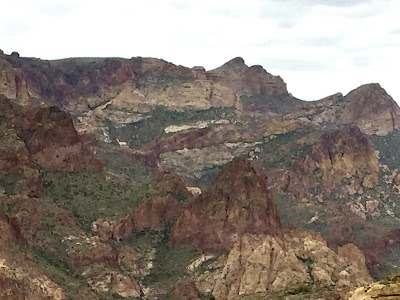
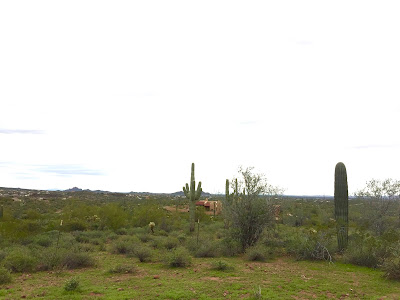
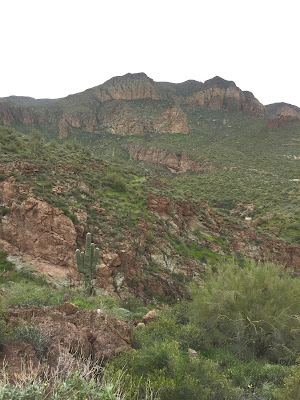
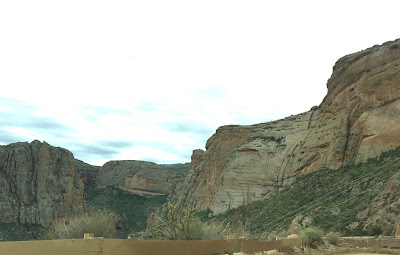
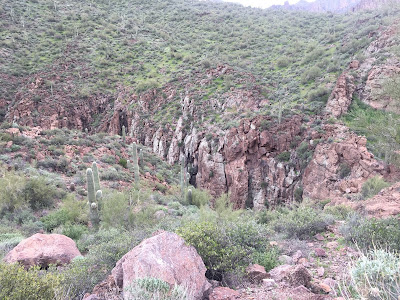
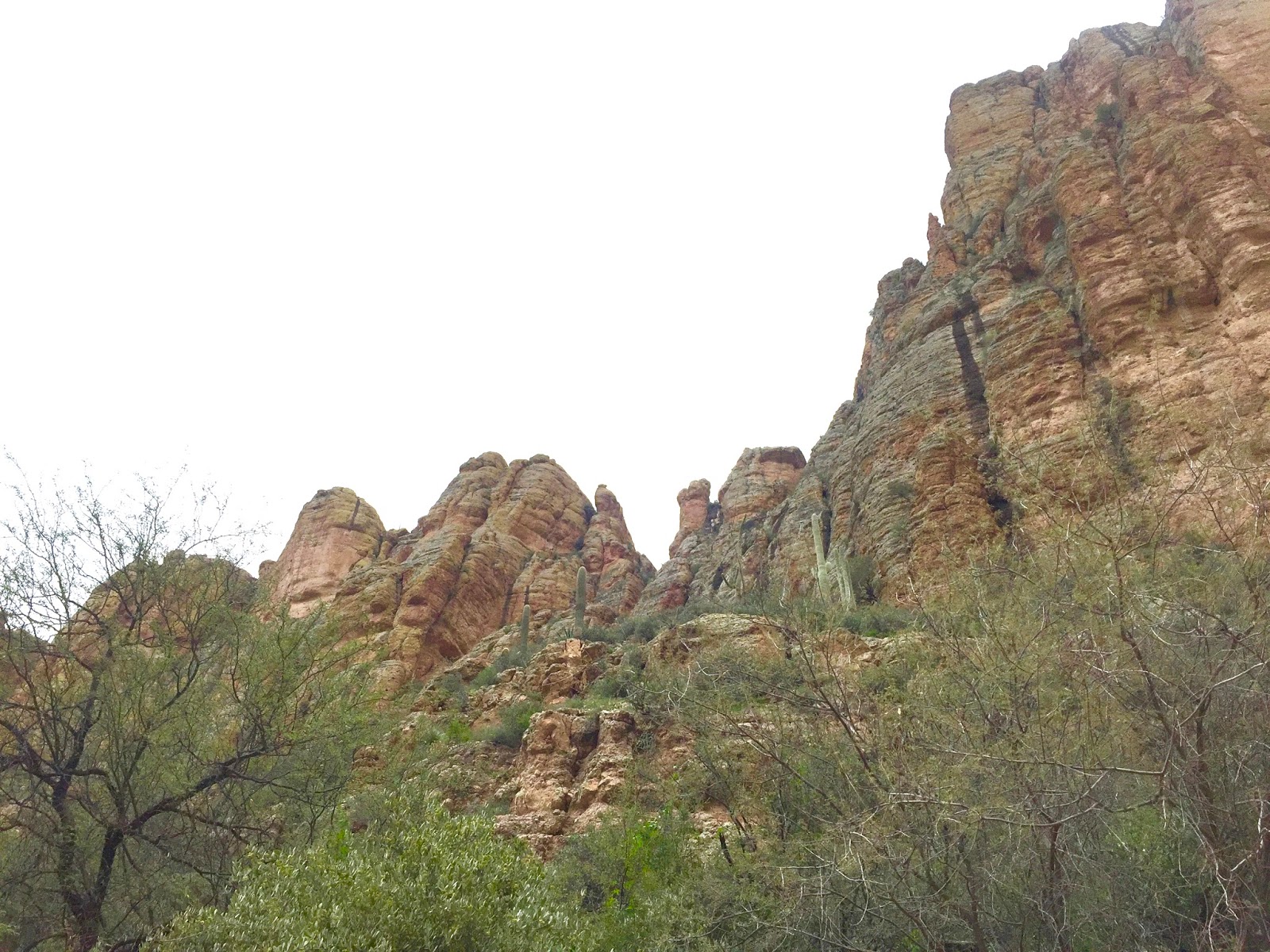
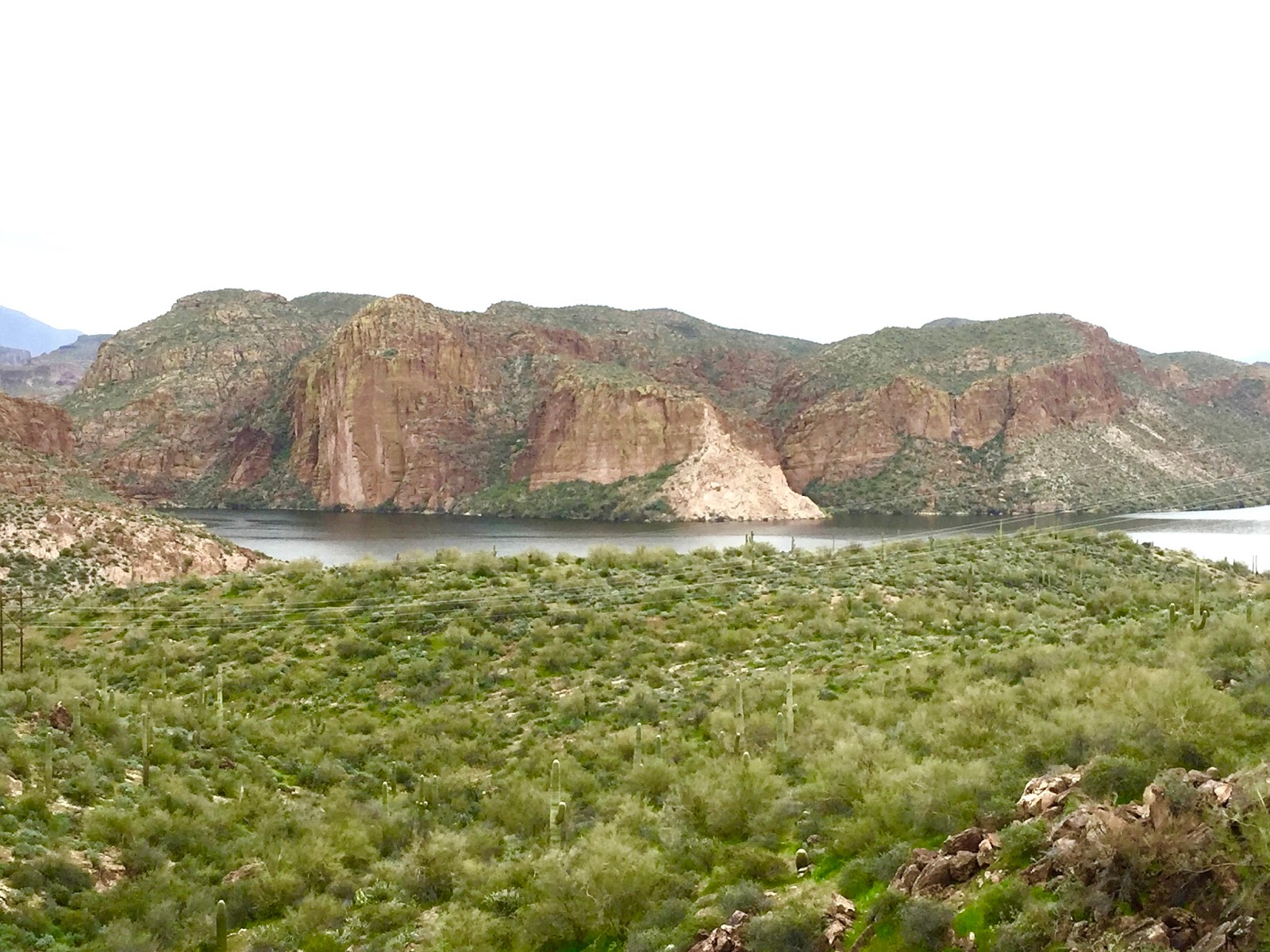
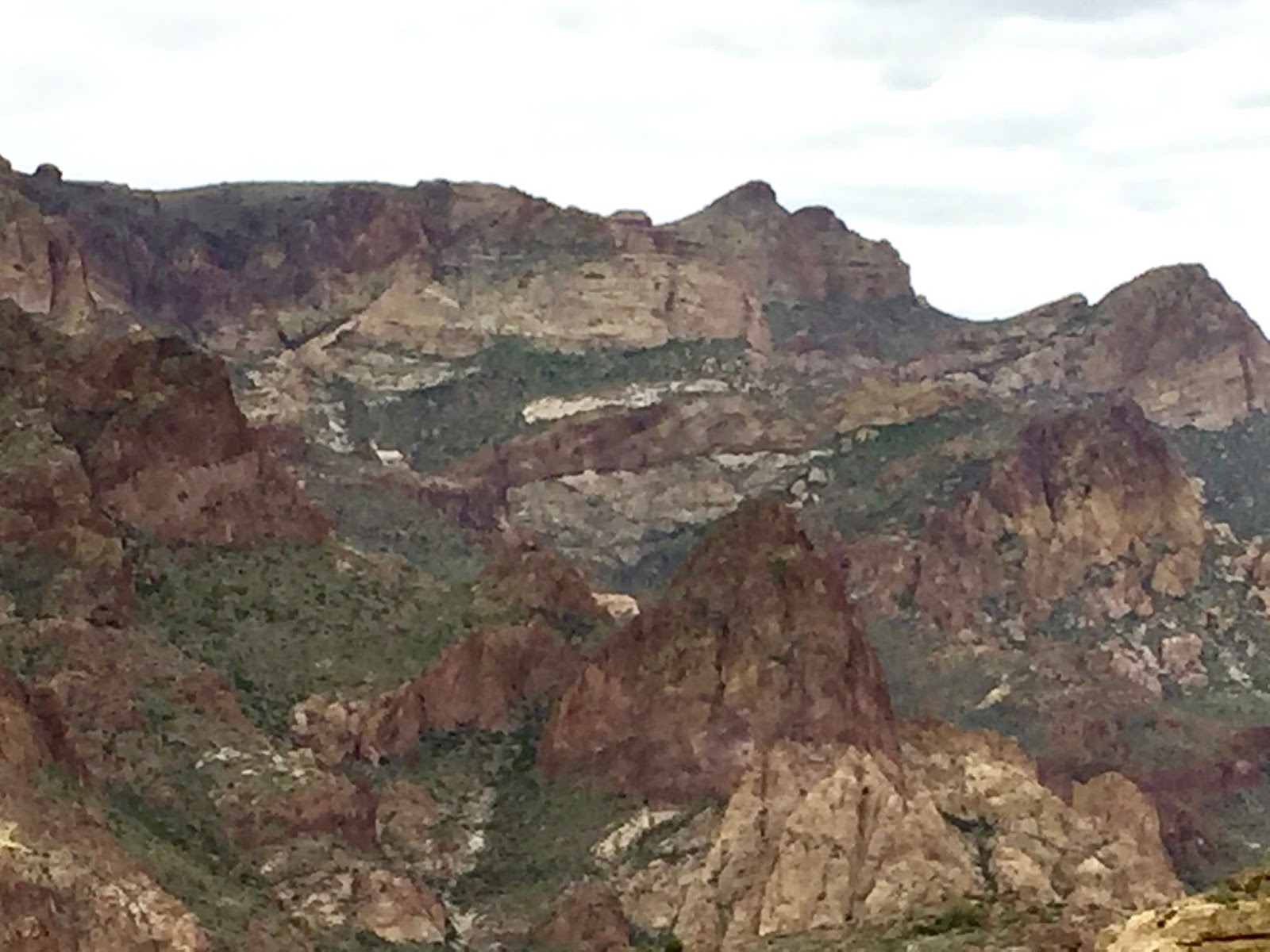
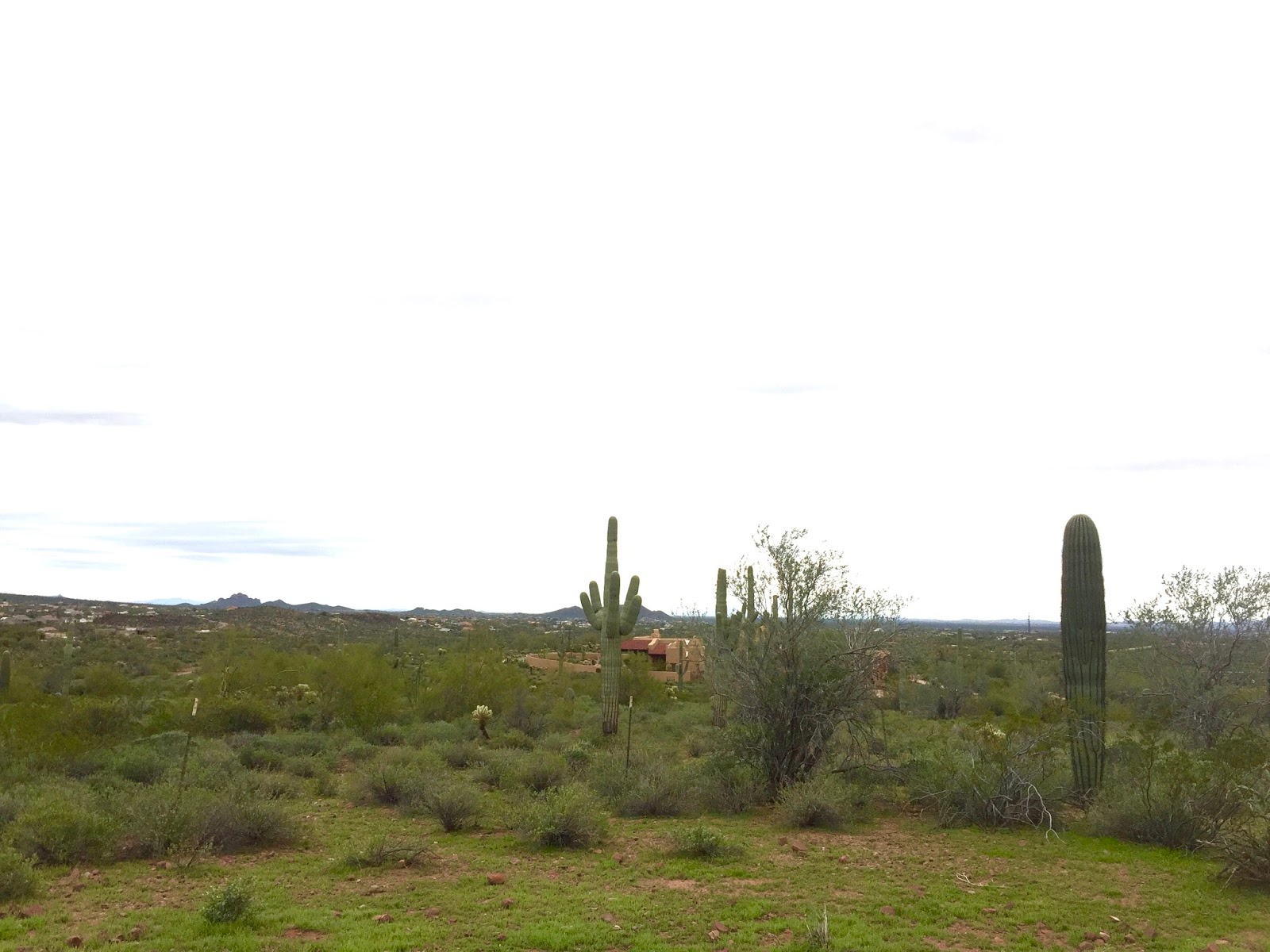
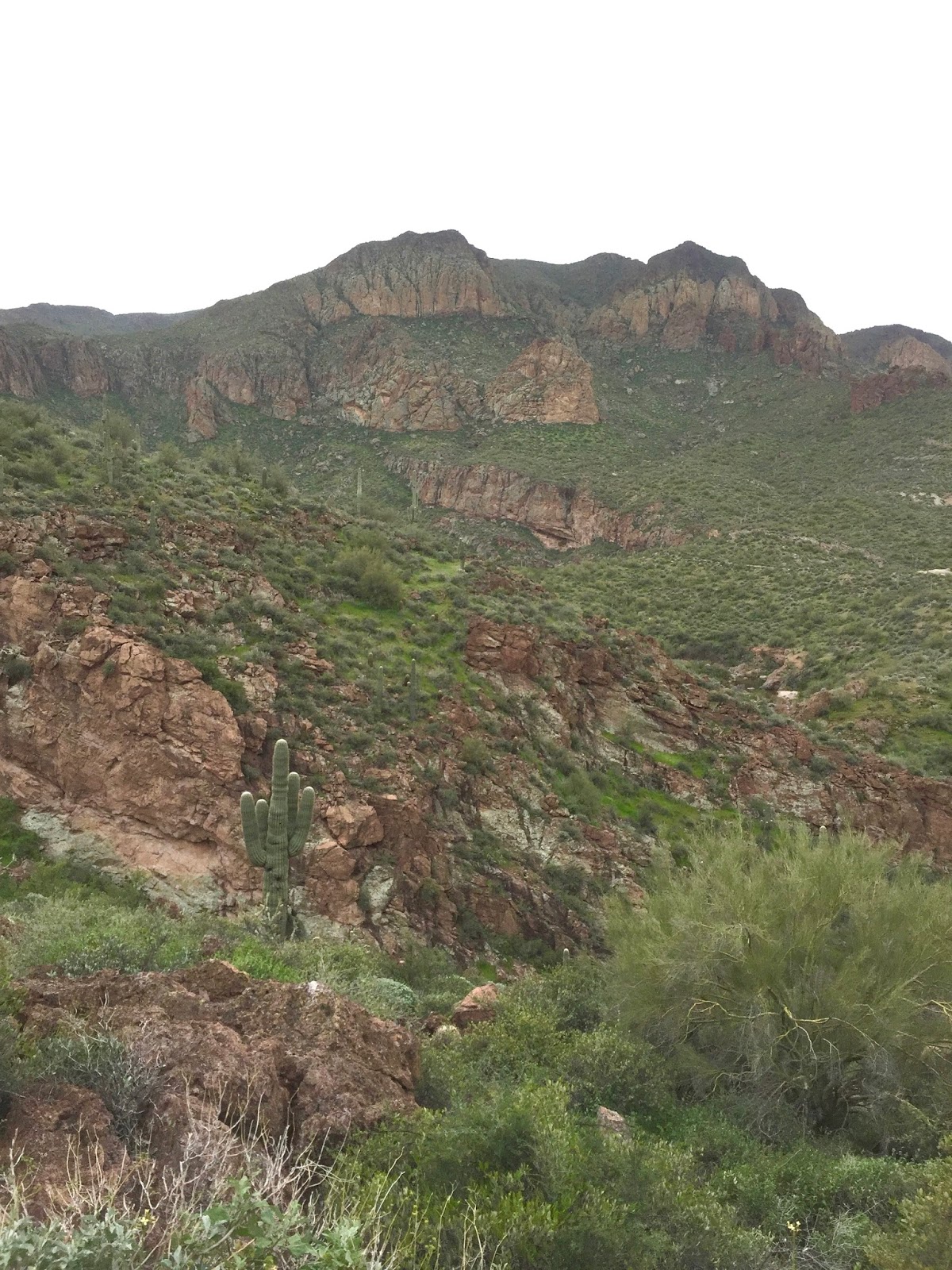
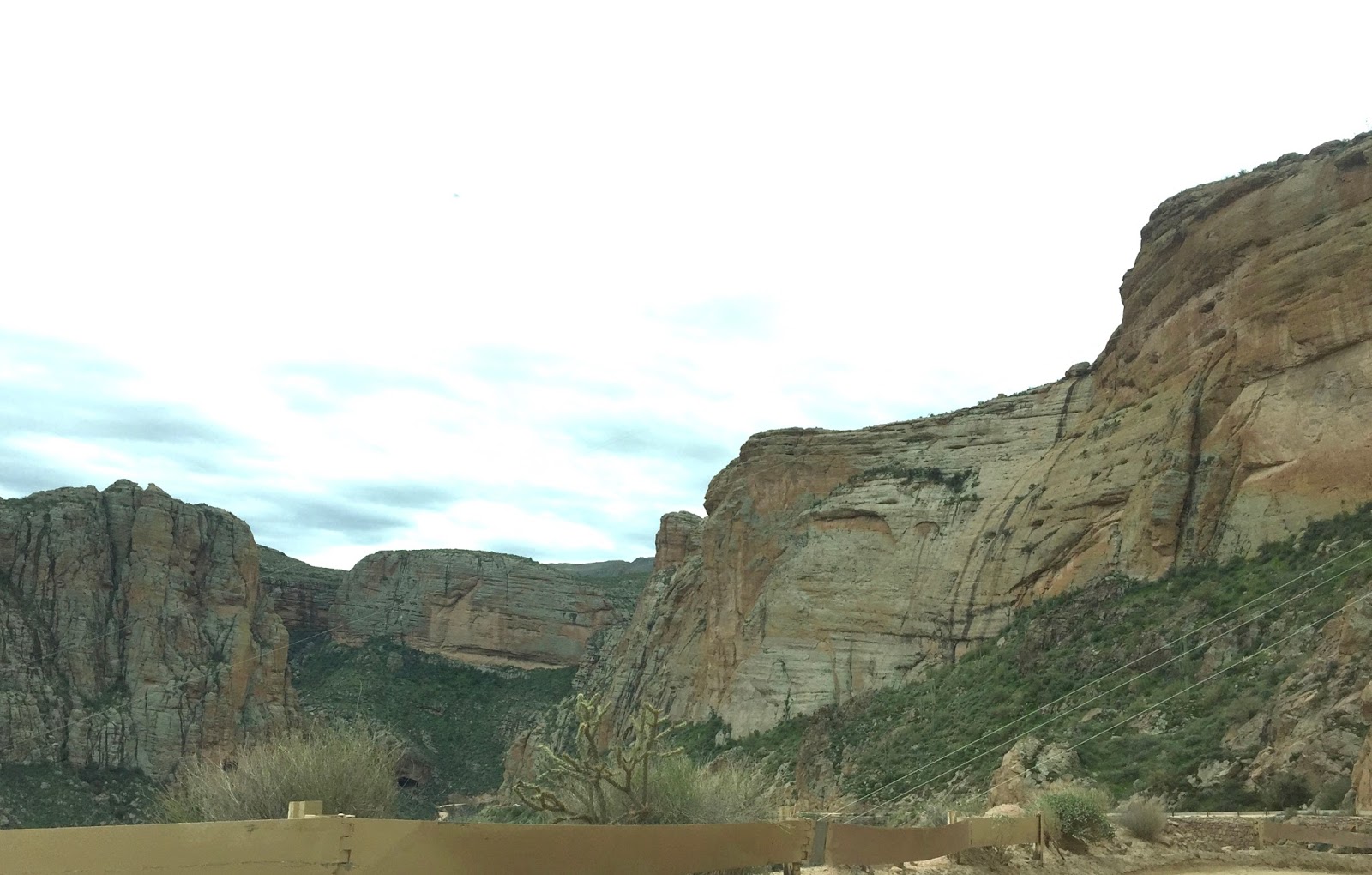
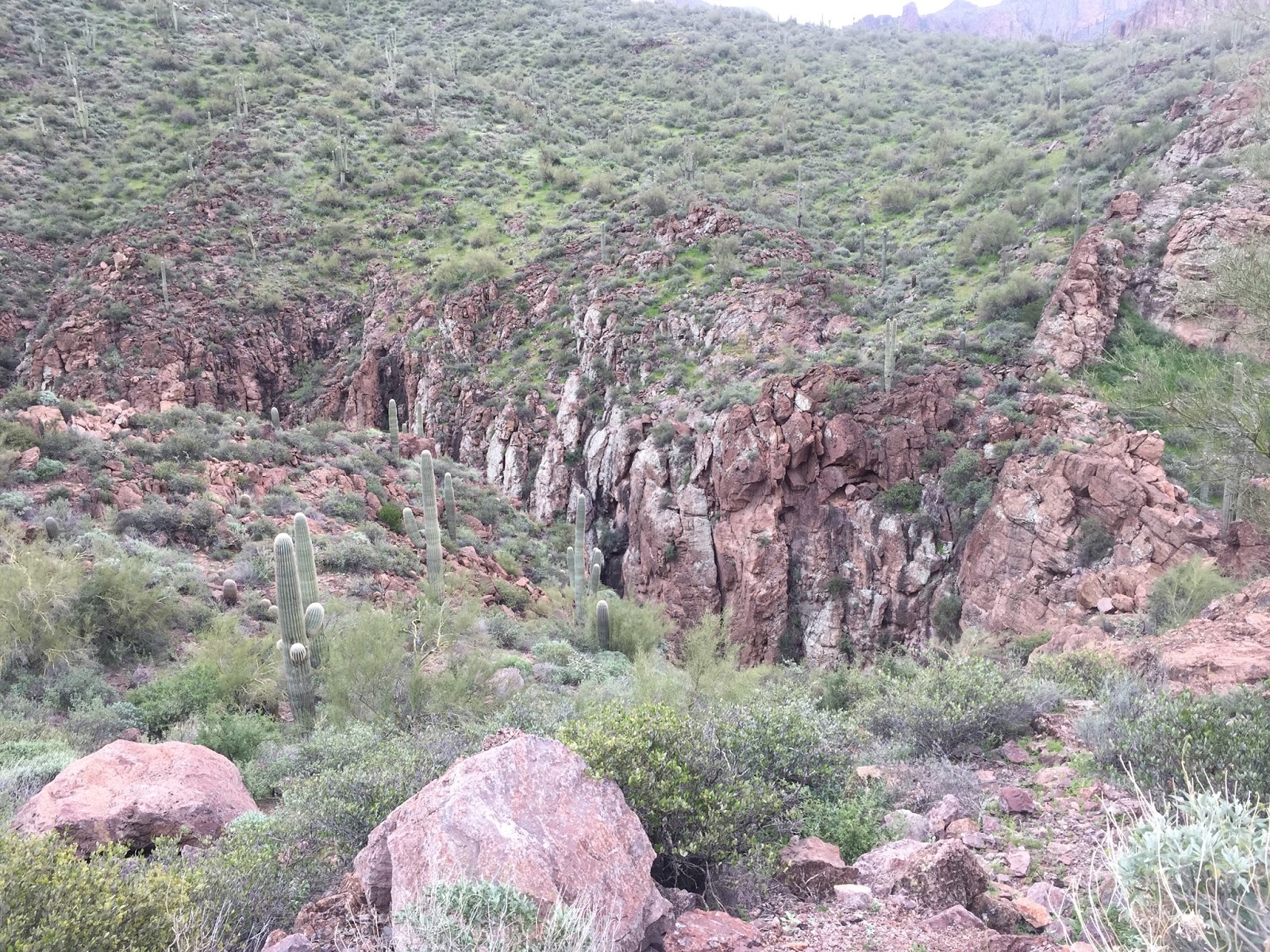
Superstition Mountain, 50 miles east of Phoenix, was calling us. As we drove east the massive and stunningly beautiful Superstition Mountain range was in full view during our entire drive. We needed to go there to the museum to dig up the dirt on a couple of tales surrounding the area.We were curious as to how it got its name and why it’s rumored that more hikers disappear there than anywhere else. I asked one of the docents and he had no idea and said no one had ever asked him that before. Strange, thought I, that he’d never even wondered that himself.
I digress…next to the Grand Canyon, the Superstition Mountain range is the most photographed and painted landmark in AZ.
So where does the “superstition” portion of its name come from?? There are several different versions of that answer. in the late 1860’s, local farmers gave the mountain it’s final name.
Through the Pima Indians, the farmers of the Salt River Vally had heard stories about strange sounds, people who vanished, mysterious deaths, and a inclusive fear of the mountain.
This influenced the farmers to believe the Pimas were superstitious about this particular mountain so thus the name Superstition Mountain was born.
On the grounds of the museum is Apacheland Movie Ranch dating back to 1959. The founders envisioned it as becoming the Western Movie Capital of the World but the dream was never realized. It did have a long history of being a shooting site for many Western TV series, movies, and commercials. Many famous celebrities and move stars did grace the grounds of Apacheland Movie Ranch.
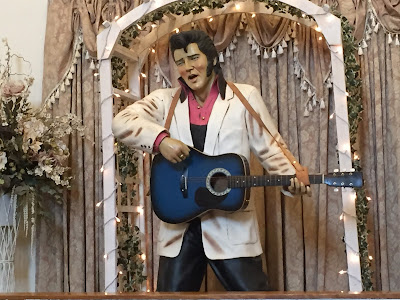
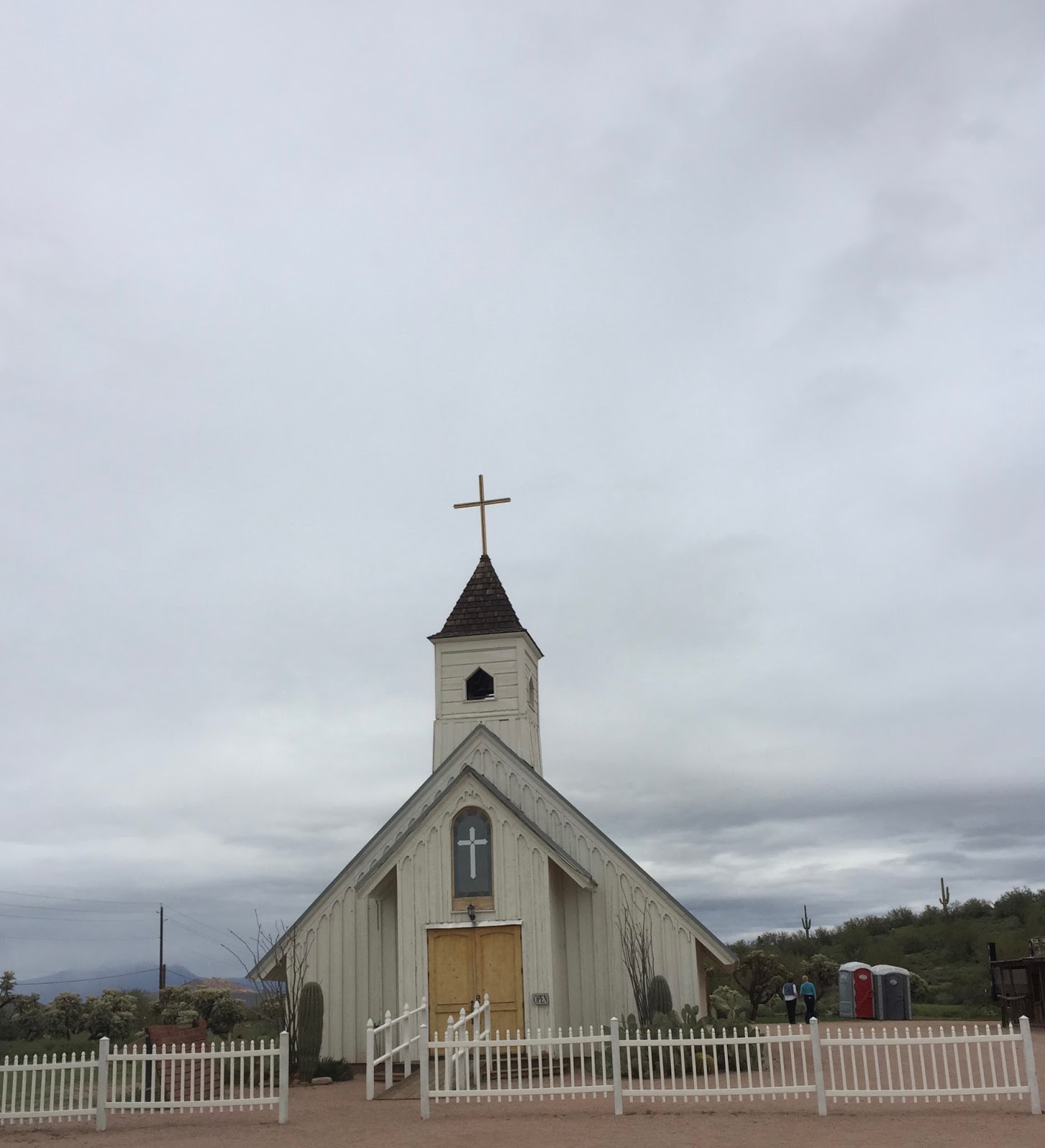
Elvis Presley Memorial Chapel, an iconic landmark on the museum grounds, is so named because it played a prominent role in the Elvis Presley movie, Charro! in 1968.

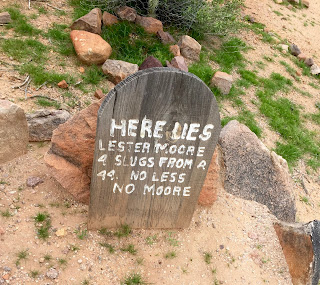
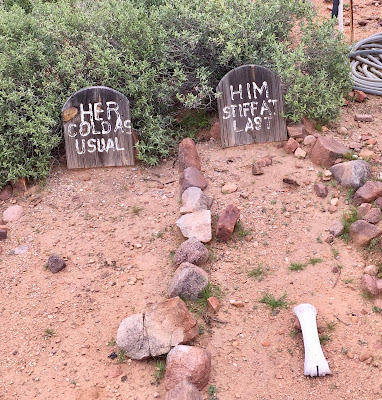
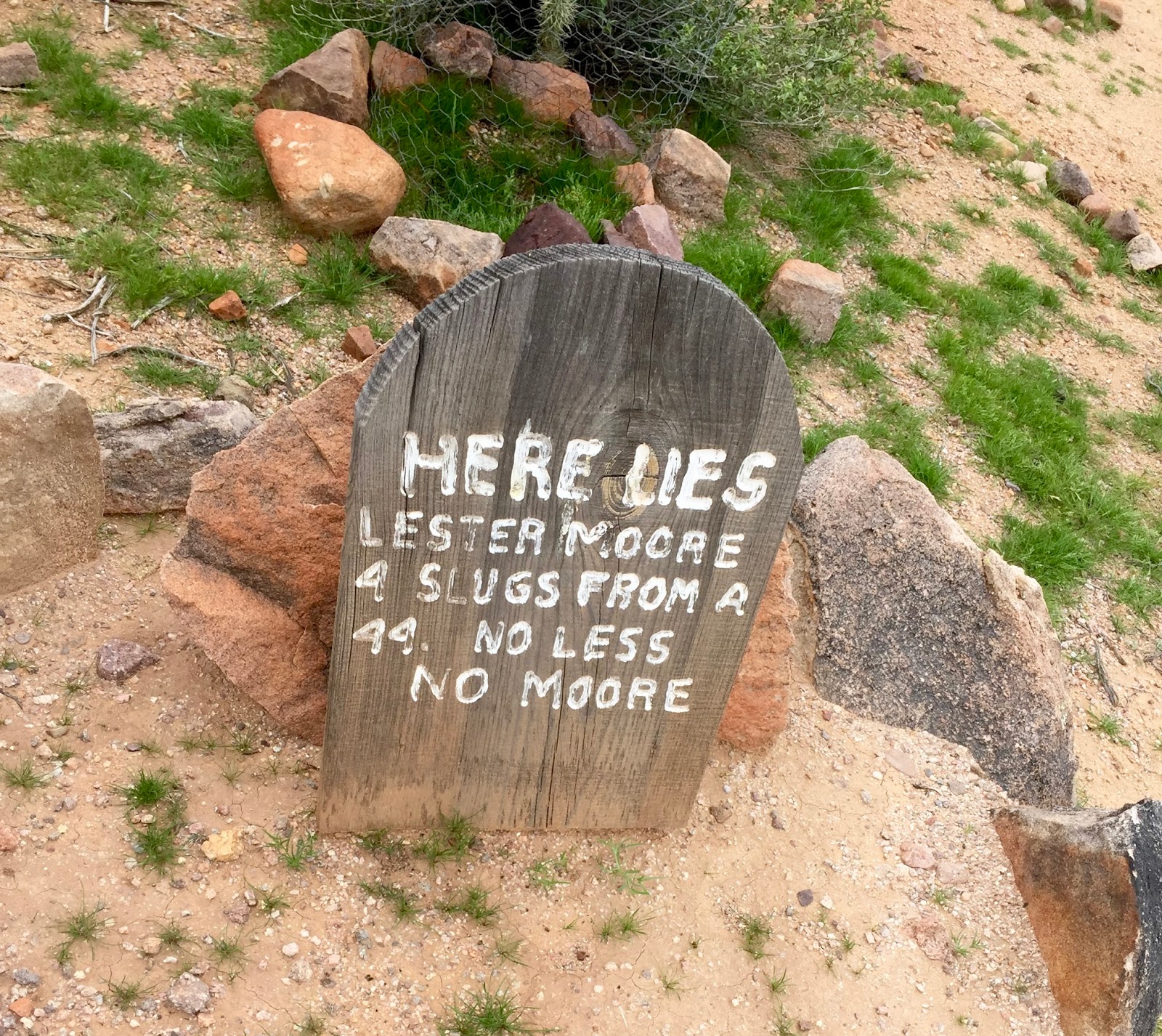
Boot Hill is the museum’s own version of an Old West cemetery where gunfighters who died with their boots on would be laid to rest. This plot is funny with epitaphs written for the likes of gunfighter, Lester Moore and Sheriff Jack.

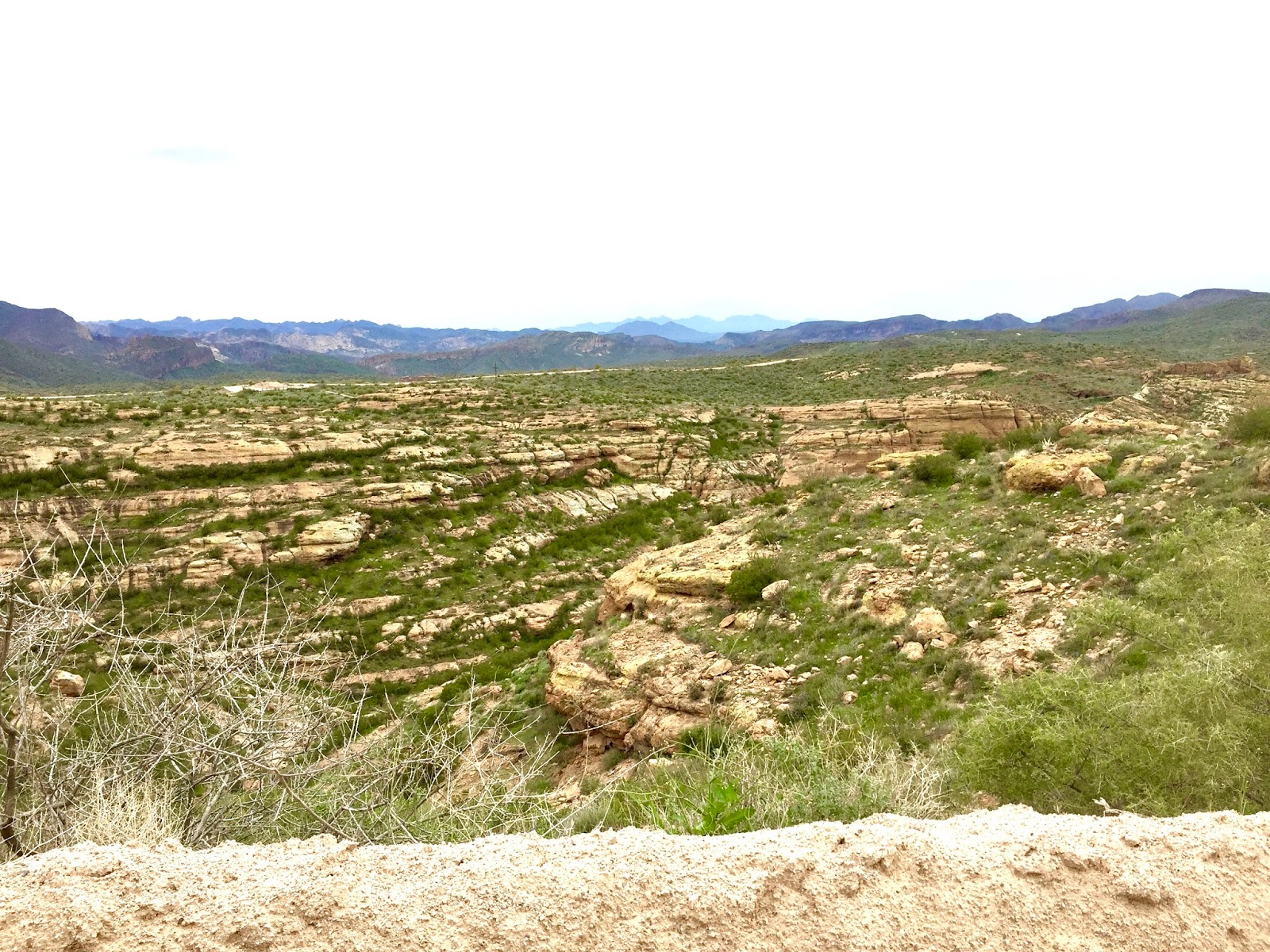
Please pardon the many photos which don’t do justice to these beautiful mountains and breath taking landscape. I just couldn’t omit any of them.
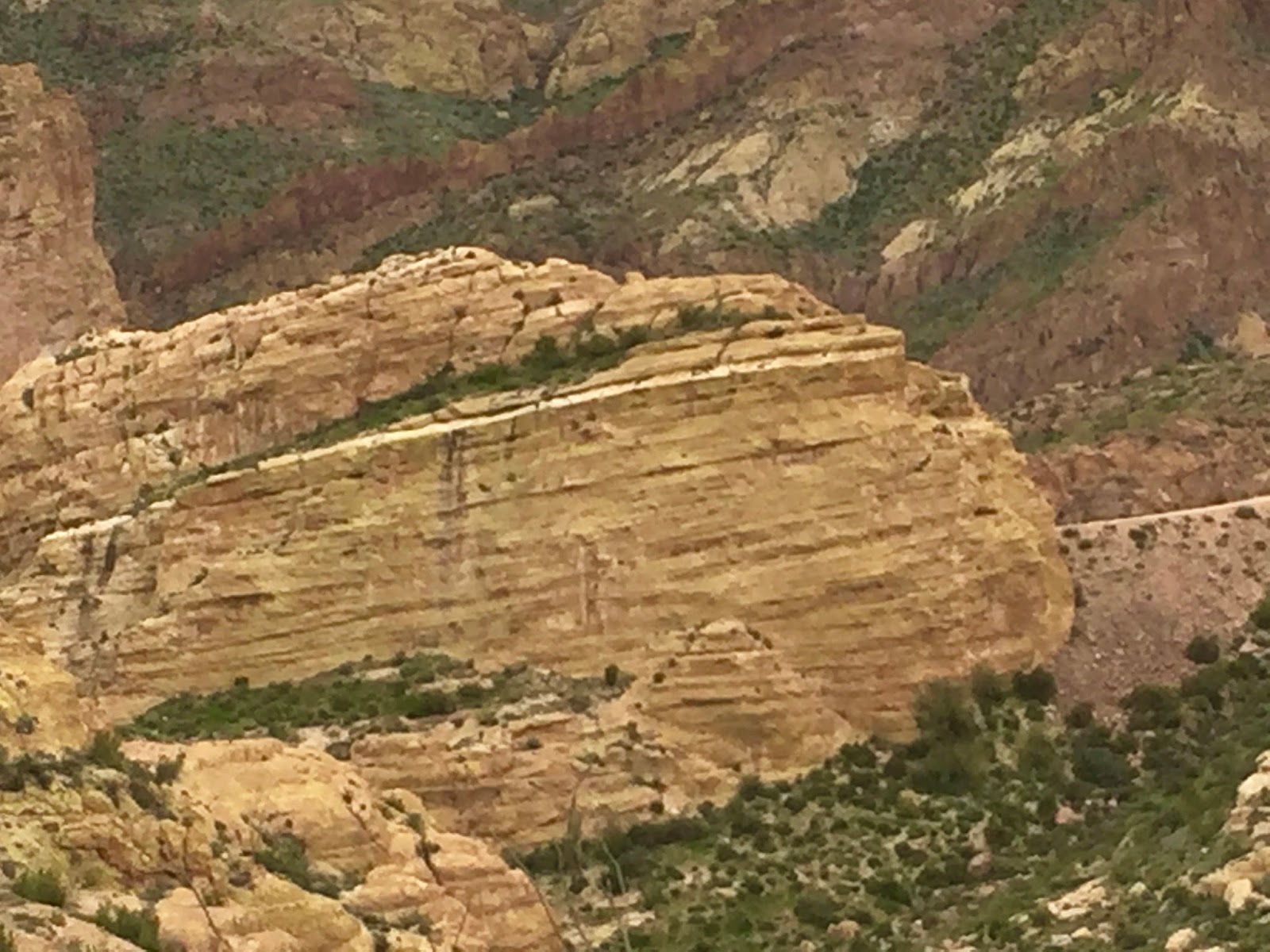
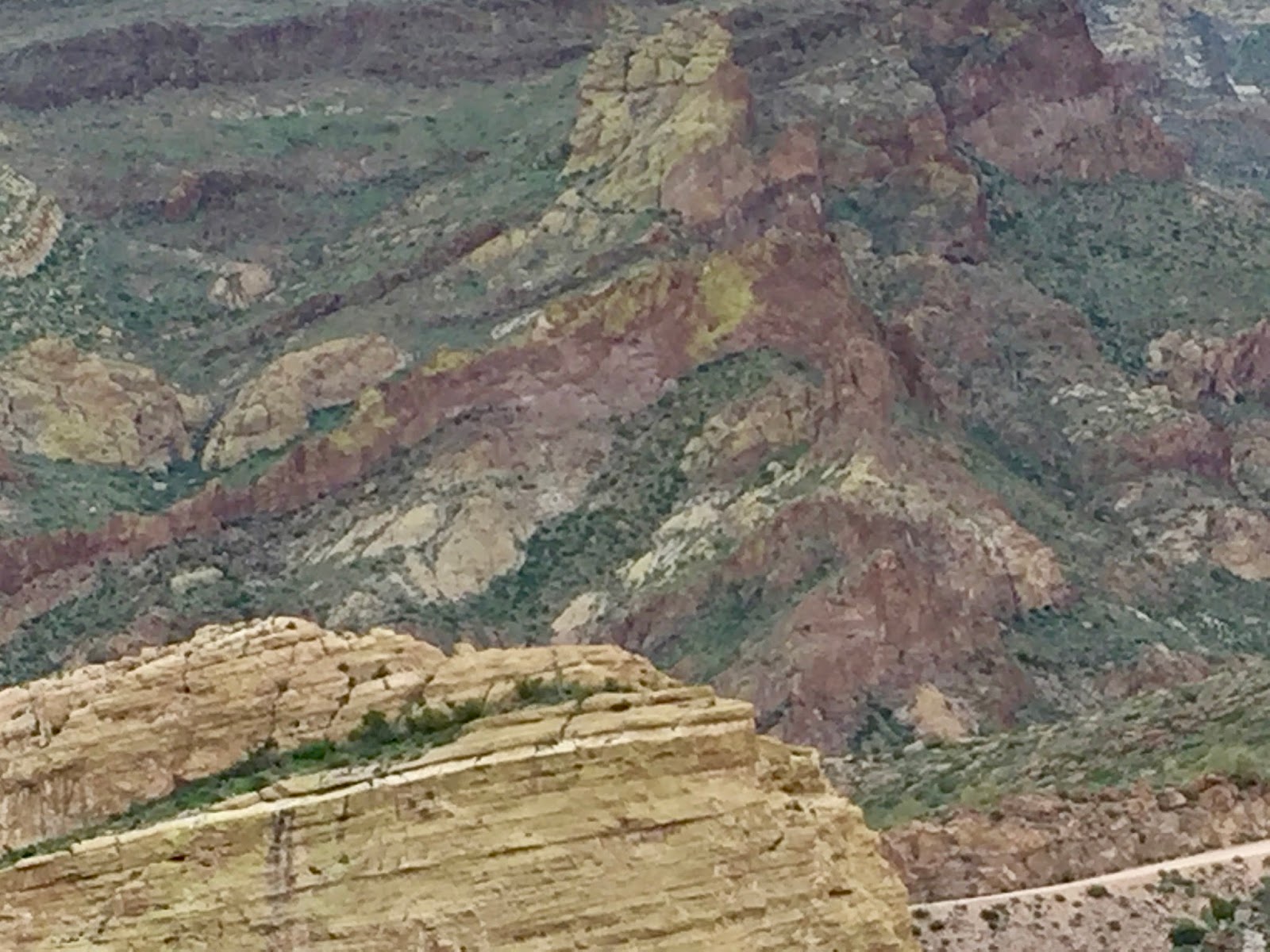
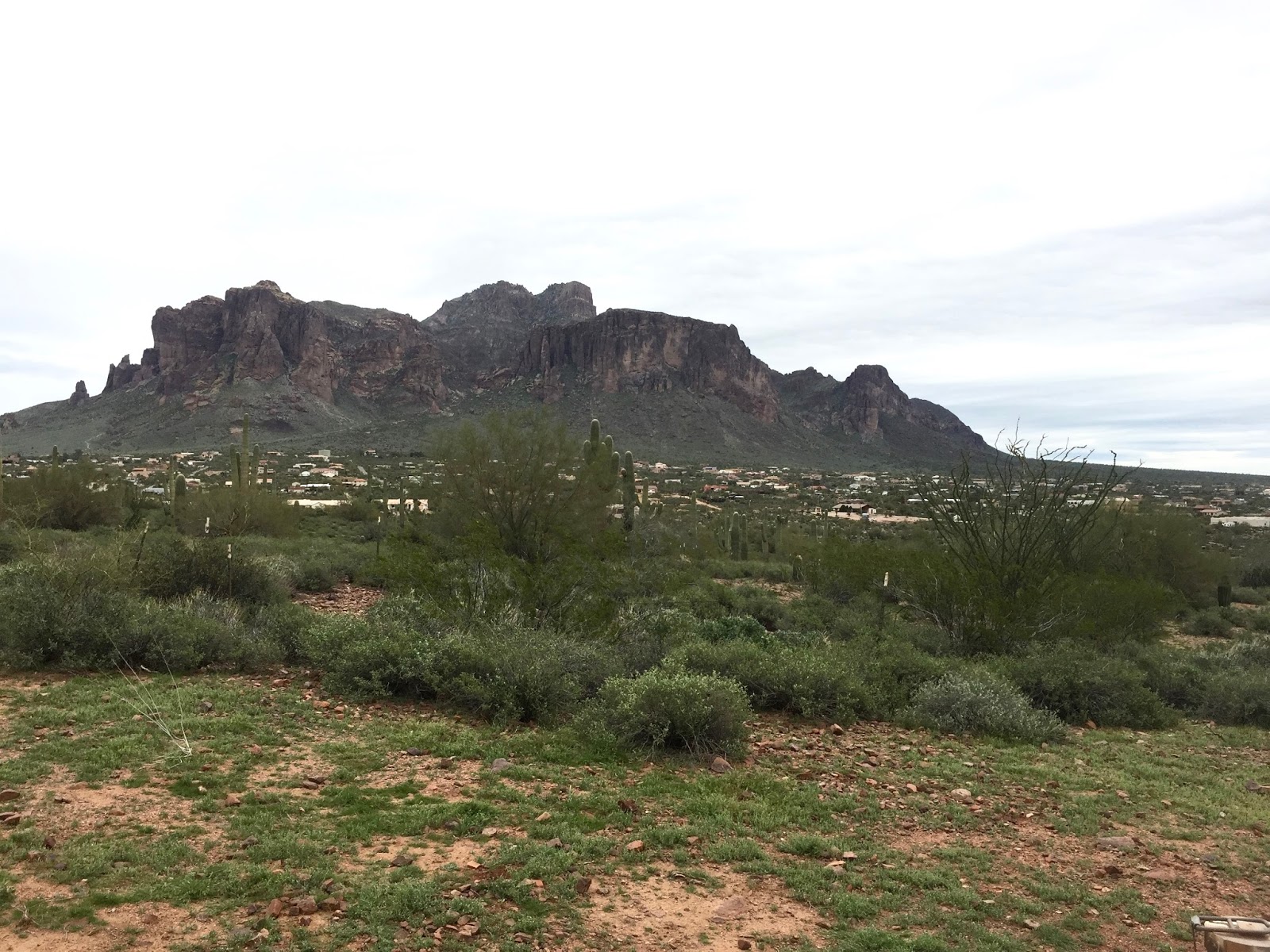
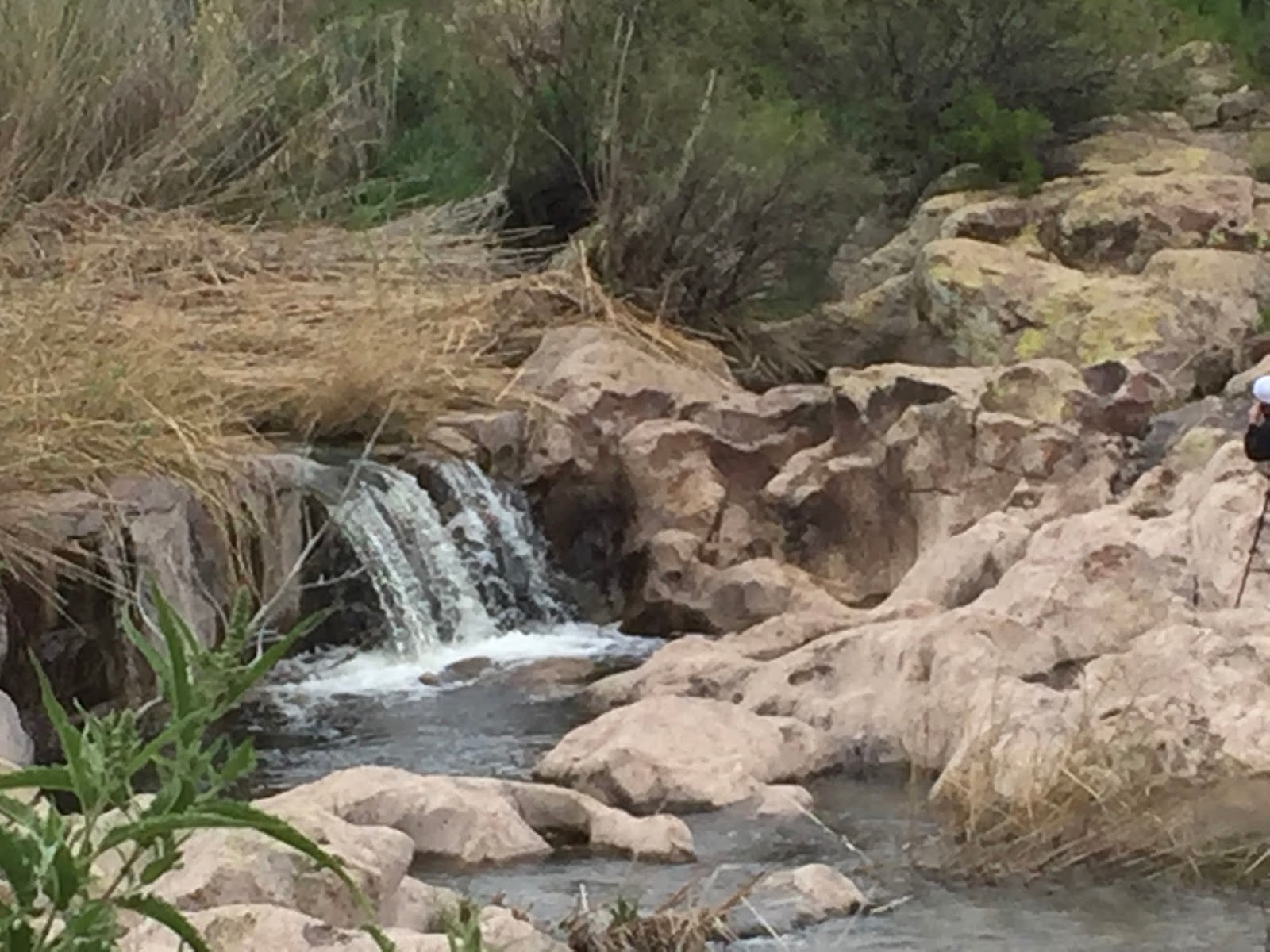
Almost time to head east and swap modes of transportation. Stay tuned.
Bill and Laura Bender
Mesa, AZ
STABILISERS PART 3
Envoy is in Lefkas Marina for the northern hemisphere winter while we’re home for the New Zealand summer returning to Greece in April.

Our last Post discussed passive stabilisers.
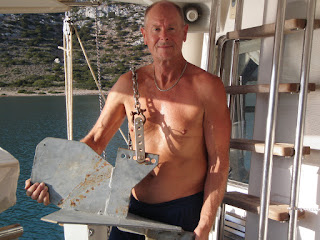
This shot shows Laurie holding a bird, connected to a winch for lowering into the water. You can see the holes on top of the bird for adjusting the stabilising effect

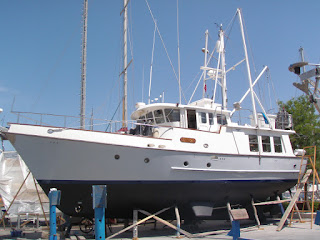
Active stabilisers consist of a fin mounted below the waterline extending out each side of the hull using mostly hydraulics but in some systems electric motors to move them like aircraft ailerons to counteract rolling motion.
Envoy out of the water with stabilising fin visible
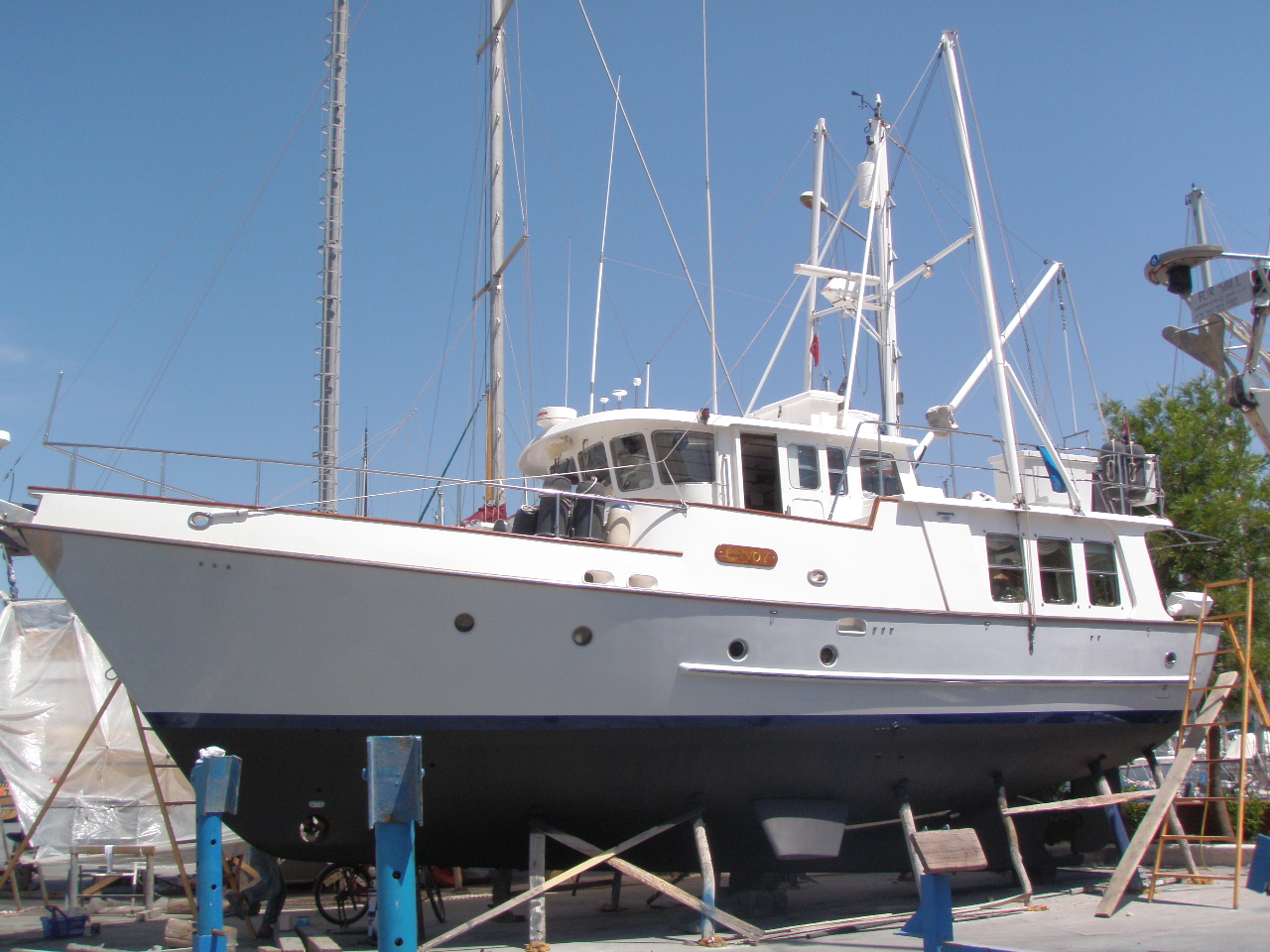
Envoy has hydraulically driven fins with the hydraulic pump powered by vee-belts from the main engine crankshaft and a 12 volt DC pump providing a constant flow of sea water to cool the hydraulic fluid. An electronic motion detector signals the hydraulics to move the fins to suit differing sea conditions with adjustment available via two thumb wheels in a pilot house control box.
The main advantages of this active system are that it’s more effective than passive stabilisers providing 80-90 per cent roll reduction (compared to about 70 per cent), it deploys quickly with no physical effort required, it’s easily adjustable using the electronic control system and causes negligible speed reduction.
However on the negative side the initial and ongoing cost of active stabilisers is expensive and during ten years we’ve spent several thousands of dollars replacing seals, sea water cooling pumps, vee-belts, filters, a hydraulic pump with its load adaptor, a servo valve and electronic components. Another issue is that they are highly specialised equipment and generally require trained and authorised engineers to provide service.
We’re just about to make another significant investment to remove the fins and replace the through-hull seals, something which is required about every five years. This is a job the majority of owners including ourselves wouldn’t attempt do themselves and special equipment is needed to remove the fins.
Set of through-hull seals

We’re also going to make a modification so that when the system is not in use the fins hydraulically lock in the centre position. Currently the fins move at rest (which is noisy and potentially damaging) in all but the most sheltered of anchorages, so when necessary we secure them in the centred position through a fiddly process of using manual locking bolts. The actions of locking them and then unlocking them takes about 15 minutes.
An active stabilisation system also requires a significant investment in spare parts and we carry a spare sea water pump, hydraulic motor, load adaptor, set of vee belts and oil filter. The fins can potentially be fouled by flotsam or lines although this has only happened to us once in a marina. Although some active stabilisation systems can be used at anchor with a generator running to provide power ours cannot, in any case we wouldn’t want to have an engine running overnight.
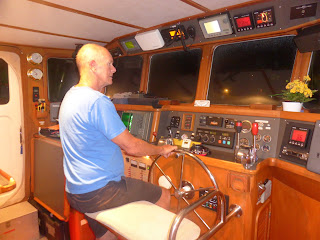
Partially hidden by the starboard side of the wheel is the stabilisers’ control system
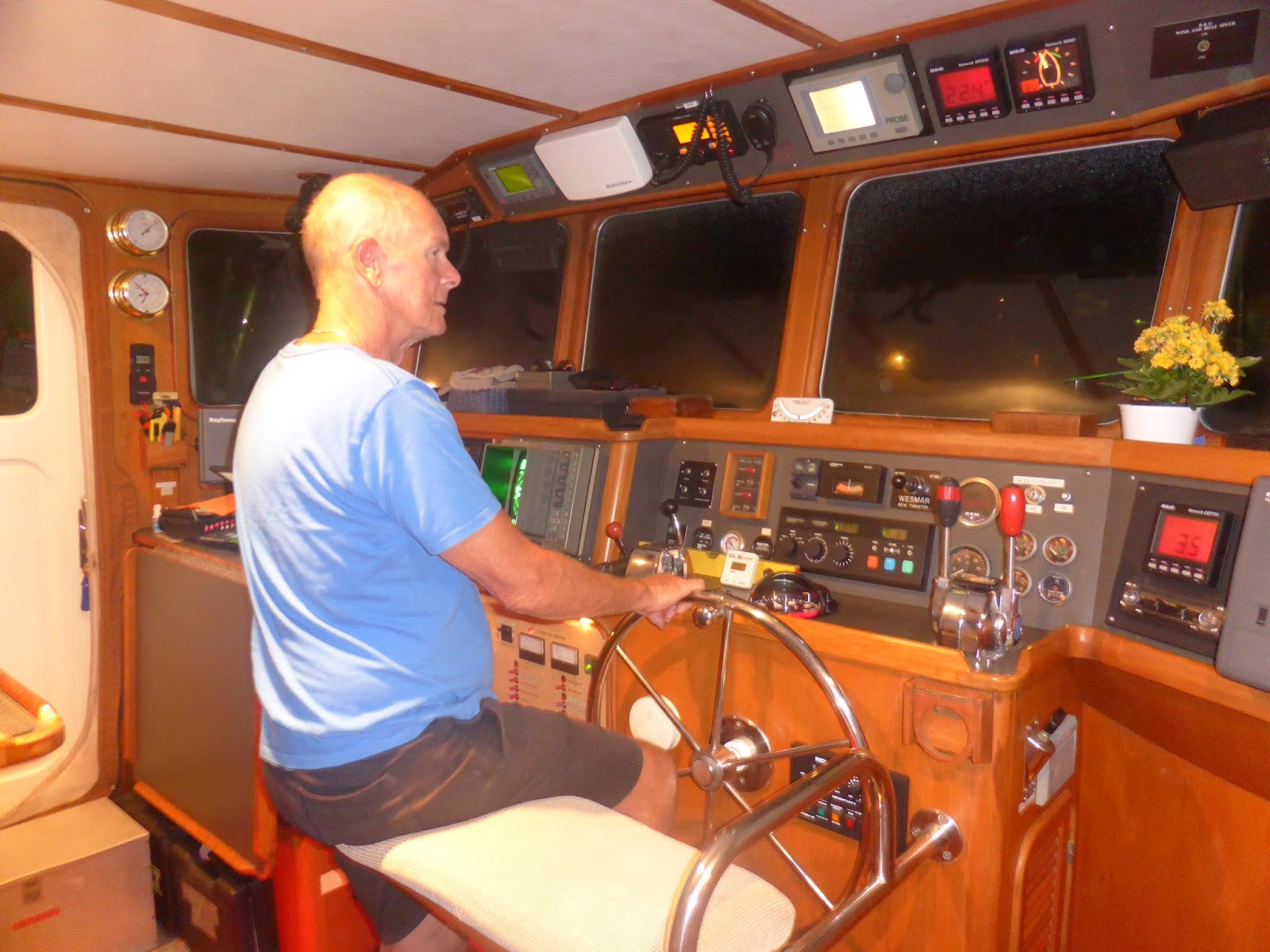
Using both systems we’ve occasionally found it necessary to alter course by about 30 degrees to “tack” and take the waves more on Envoy’s bow when encountering closely-spaced, steep waves over about two and a half metres breaking directly on our beam.
A full displacement hull like Envoy definitely requires some form of stabilisation and the vast majority if not all Nordhavns have a system fitted. We’re pleased to have both active and passive systems aboard Envoy but if restricted to one would undoubtedly select the passive system for its reliability, economy and ability to use at anchor.
Next Post will take a light-hearted look a the use of the title “Captain”.
Put It to the Test
This past week the new carpeting on Red Head was completed. Dylan and Dee Dee are happy to have the boat back to normal but will miss seeing Todd every day. Todd really likes dogs.Now for the test. Can this carpet handle Labrador fur, I mean, those tho…
Simrad Marine Electronics: The Correct Choice – Or Did We Make A Mistake?
We’ve now had 11,000 nautical miles of concentrated experience with the Simrad Marine electronics suite aboard FPB 78-1 Cochise, and …Read More
"Bustin" out of the trailer park
We recently cut the lines, and ventured out to one of our favorite anchoring spots for an overnight. Keewaydin Island, for our boat, can only be approached on high tide. It’s Izzy’s favorite place – dogs are allowed on the beach.  …
