
We’re doing some real live cruising again, heading south towards warmer weather and blue water. Yesterday we caught a mahi mahi trolling from AVATAR’s stern, which was transformed by May into lunch within the hour. Afterwards we plunged into … Continue reading →
Jan. 20 – Key West
“In the end, we only regret the chances we didn’t take.” —Unknown
Our oldest son and his family gave us a gift certificate for a biplane tour of Key West for Christmas. We’ve been watching the weather, trying to plan a good day for the tour and day in Key West…a day that didn’t have too much wind and no rain. That’s been a little difficult this month, but it finally happened today. Getting to the bus stop this morning was a little chilly but the sun was out and we were excited to be heading to Key West for the day.
Marathon is about 50 miles from Key West…an hour by car or about two hours on a bus that stops every few miles. The Lower Key Shuttle is a bargain at $1.50, watching and visiting with people on the bus is just a bonus. Our timing for our tour was perfect, we arrived at the airport and found the Conch Republic Air Force about 20 minutes before our flight. Giving us just enough time to settle in and look at some of the other planes the company own.
Our tour of the island was in a 1942 WACO UPF-7 bi-Plane. The open cockpit gave us a great view of the beautiful blue water and the island. The pilot narrated the tour pointing out landmarks, shipwrecks and even a few dolphins and sharks. It was a unique and amazing experience. Now we’ve seen one our favorite towns from the land, sea and air. It was a great way to spend the morning. The people at Conch Republic Air Force were wonderful; they were professional, friendly and accommodating. The owner even gave us a ride to the Historic Seaport after our tour.
Ted and Sally from Amici came down on a later bus and we met them for lunch at DJ’s Clam Shack on Duval Street. We spent the afternoon wandering around town shopping a little and watching people, although people watching was a little slow today…cooler than normal and no cruise ships in town. The most interesting people watching starts after dark. We had a chance to check out of a few happy hours before we caught our bus home, but missed out on the Sunset Celebration trip. It’s hard to fit everything into one day when the bus is your transportation home.
Our plane


A few of the other planes belonging to Conch Republic Air Force


Ready for take off

Pictures taken from the video we bought of the flight


Pictures I took during the flight


Looking down on Malloy Square and towards Duval Street


Views from the cockpit

Our plane and pilot

Cuban Coffee Queen – One of the best places to get coffee in Key West

The Porch – a great place to relax, have a drink and watch the world go by

The view from The Porch

Enjoying our friends at The Porch

Waiting for the bus to take us home

Having fun on the bus

Half Moon Island
December 29 – First Day in Antarctica
At 0330 the ship’s horn blew loudly and we stopped at King George Island to pick up a scientist they had left two weeks before. The ship then went to Half Moon Island, which is in the lee of Livingston Island and anchored about 0700, in light snow. The temperature was about -4 C. By 0815 the first passengers were on the beach. The snow increased for a while, but then we ended up with partly cloudy skies by the time we boarded the zodiacs at 1100. We were able to see Chinstrap Penguins, a few Gentoo Penguins, Gulls, Arctic Terns and a few Weddell Seals before returning to the ship at 1230. Unlike the Magellanic Penguins of Punta Arenas, these penguins build nests of pebbles raised above the ground to provide drainage. The rock formations on the island were covered with the colored lichens that provided relief from the stark black and white of the landscape under the cloudy skies. The winds remained calm the entire time we were anchored. As the skies cleared the views of the glaciers on Livingston Island continued to improve.
The Chinstrap Penguins had just begun to hatch, and we were fortunate to see a few chicks covered in gray down.
After everyone was on board about 1630, the Seabourn Quest raised anchor and set a course for Cuverville Island, passing close by Deception Island, an active volcano and former whaling station in the South Shetland Islands. As we continued down the Palmer Archipelago the shoreline of the Antarctic Peninsula loomed on our left, right out of our suite windows.
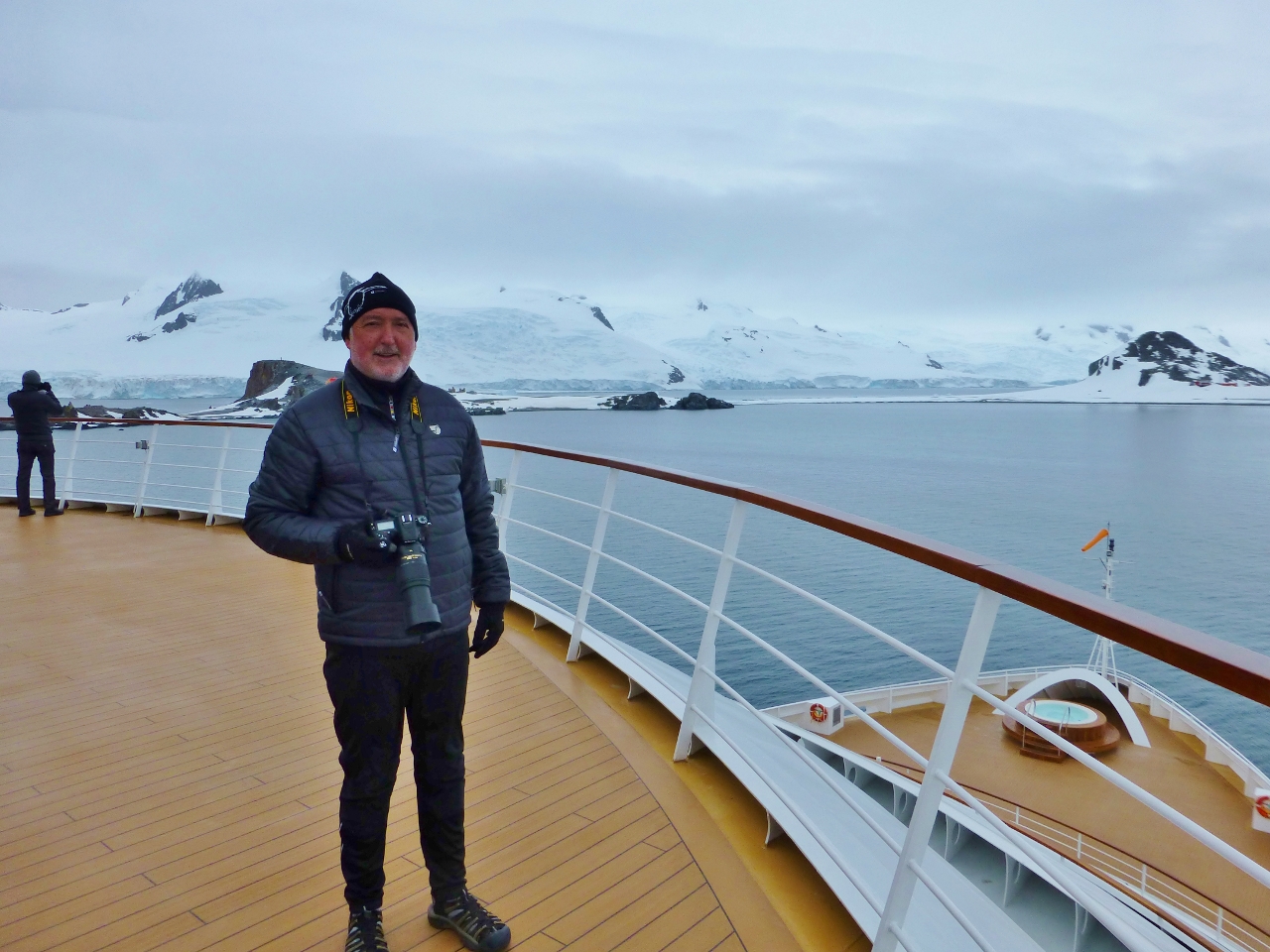 |
| Approaching Half Moon Island |
 |
| Our first shore landing with the Seabourn Quest |
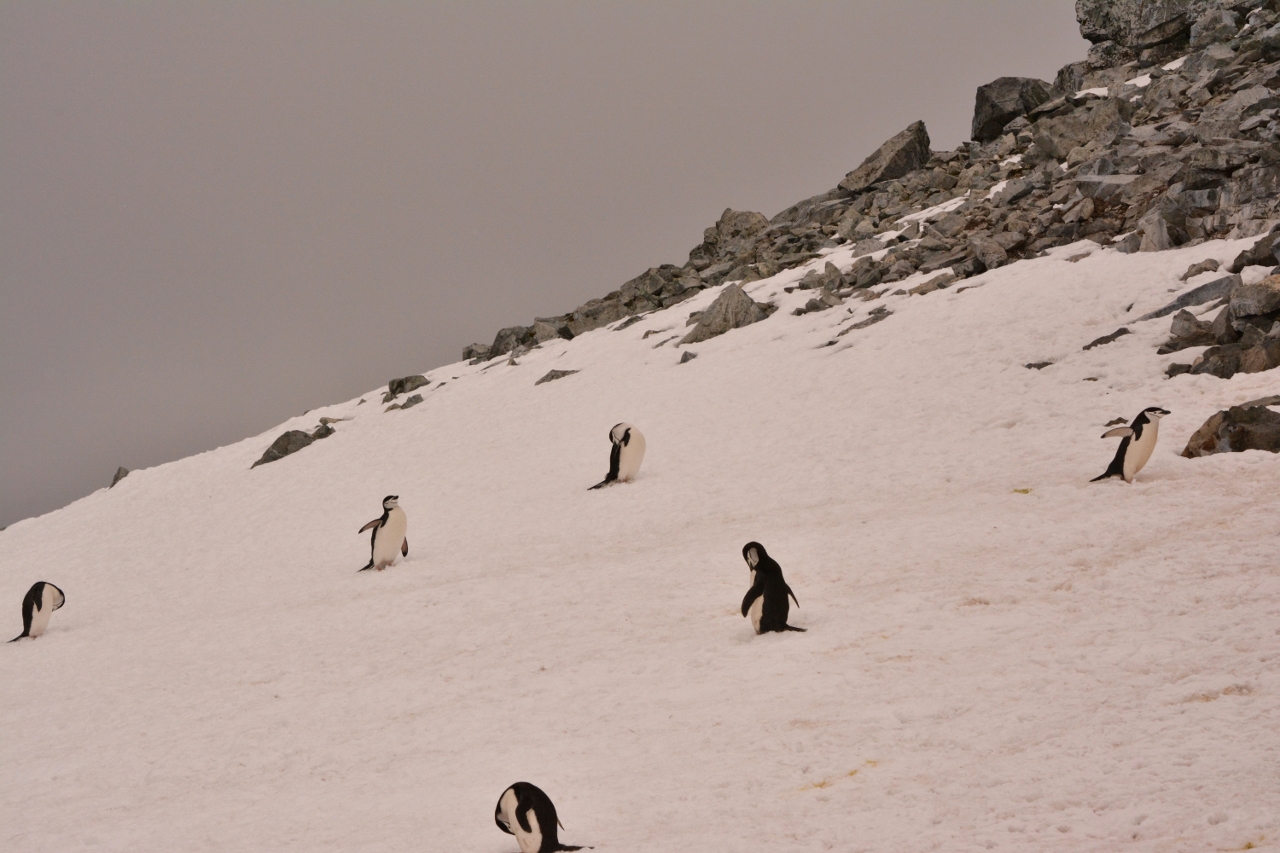 |
| The Chinstrap Penguins scattered on the hillsides |
 |
| Another view of the Seabourn Quest at anchor |
 |
| Guarding the egg |
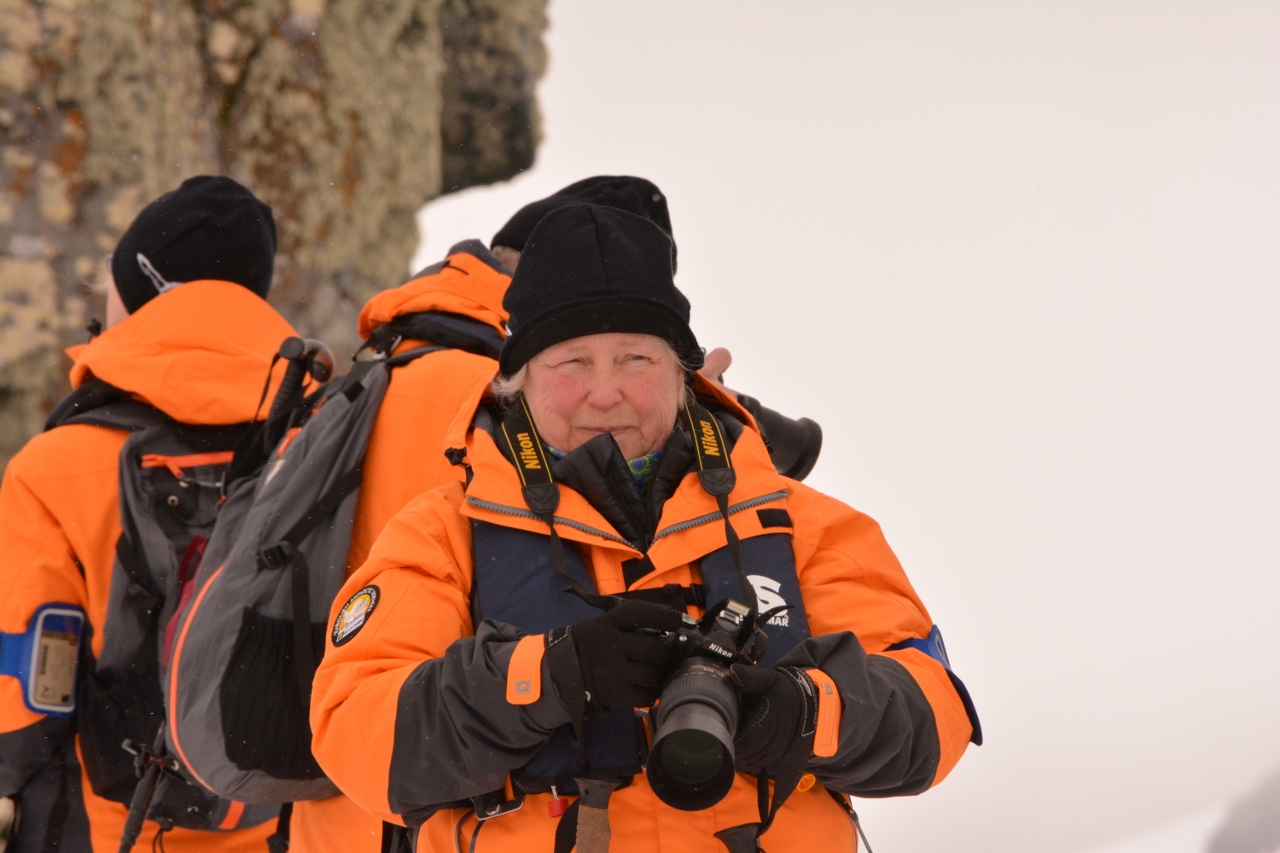 |
| Miriam with her camera at the ready |
 |
| Trudging to the beach for fishing and a bath |
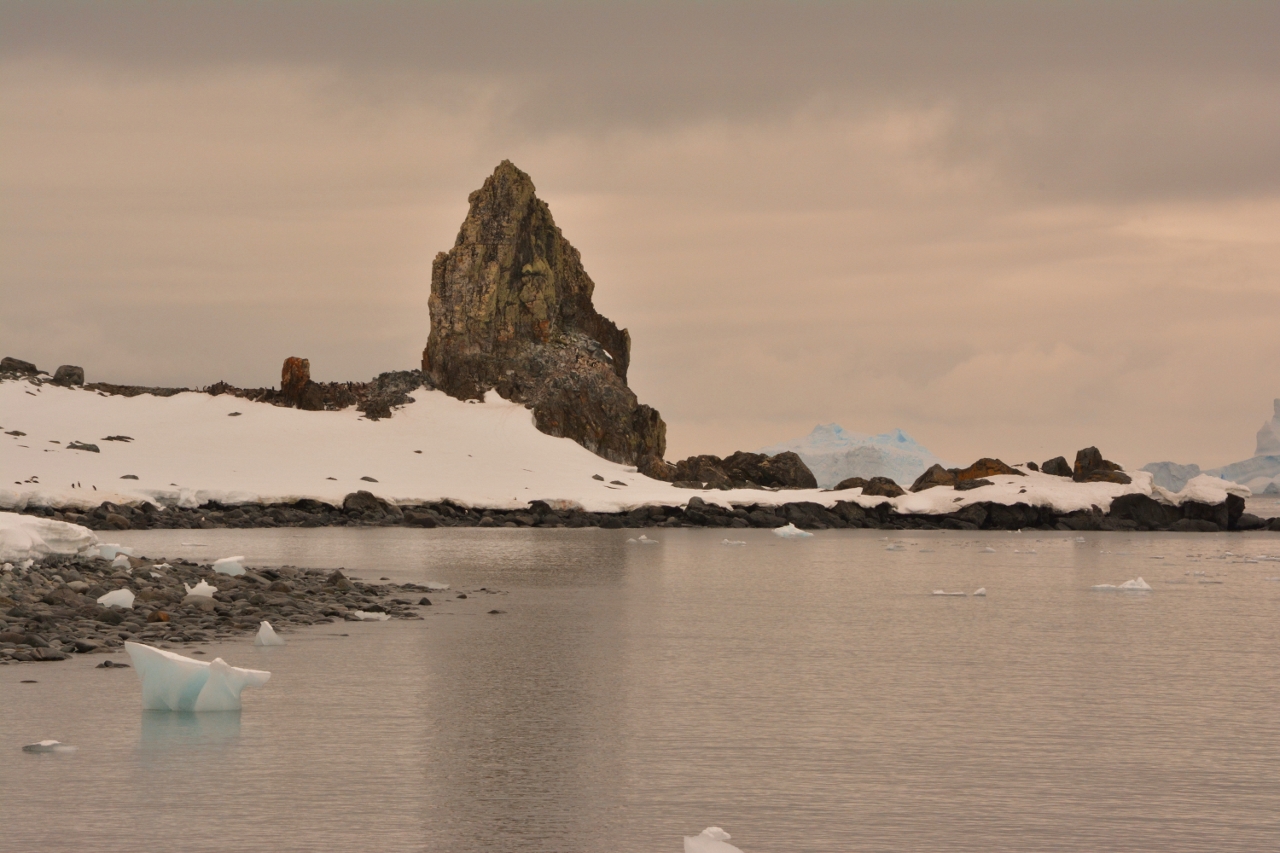 |
| The rock formations are really rugged |
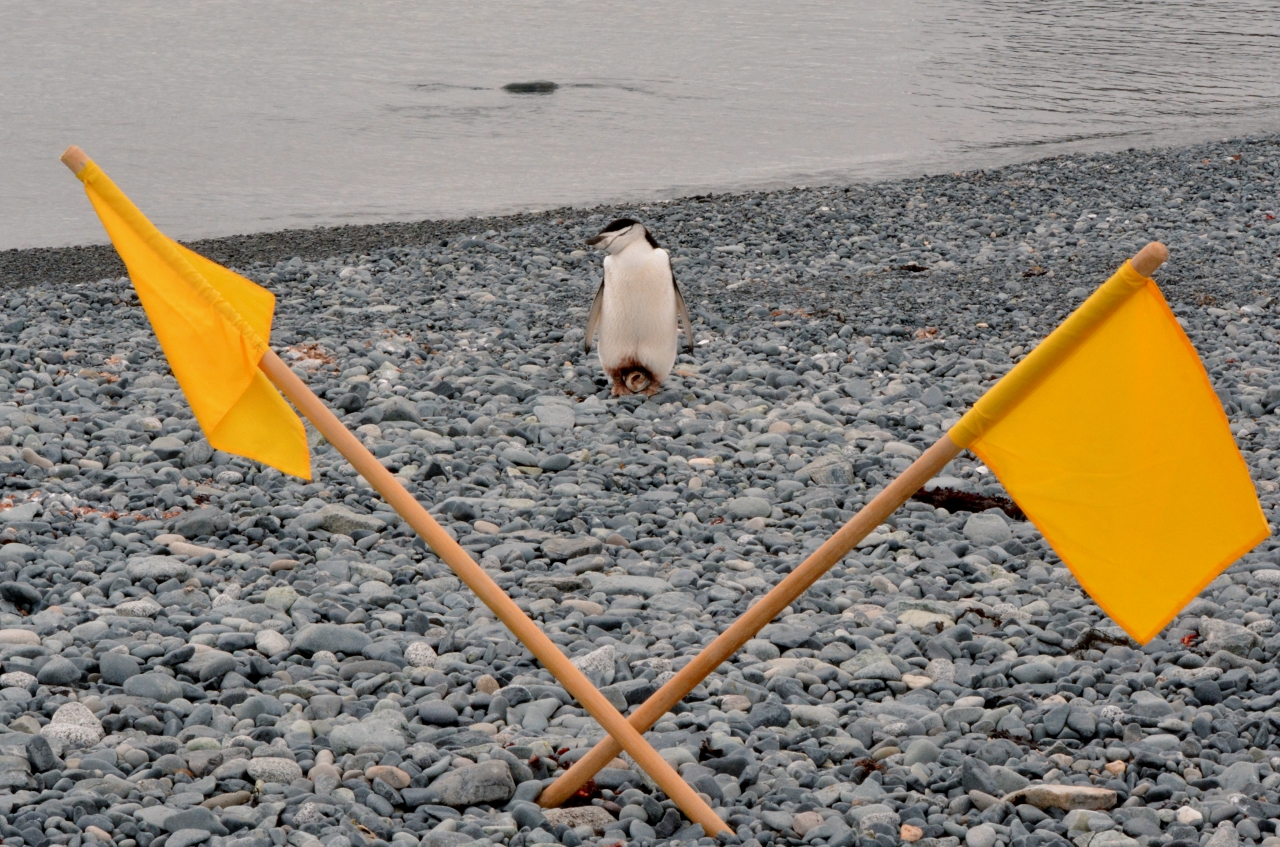 |
| This penguin is guarding an empty egg |
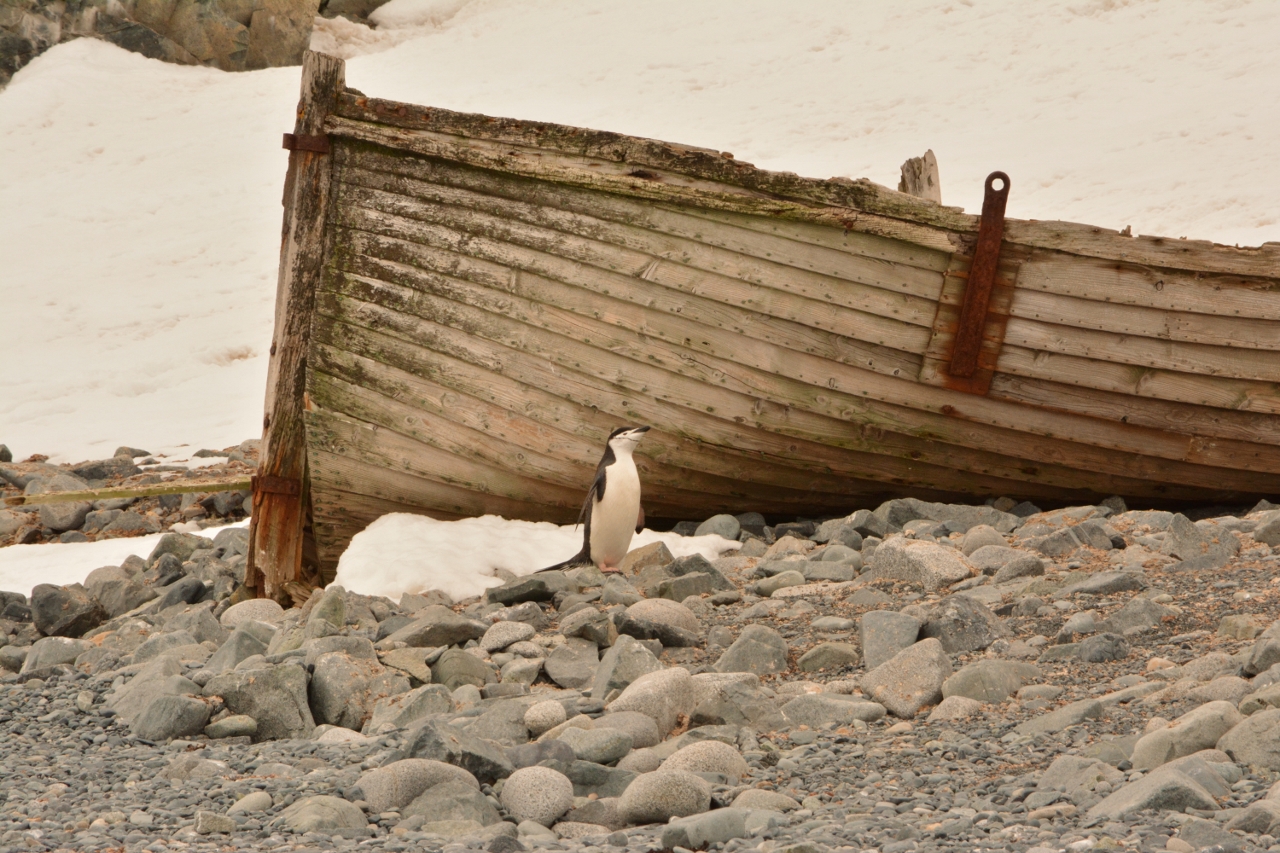 |
| While thisone stands guard over an old whaling boat |
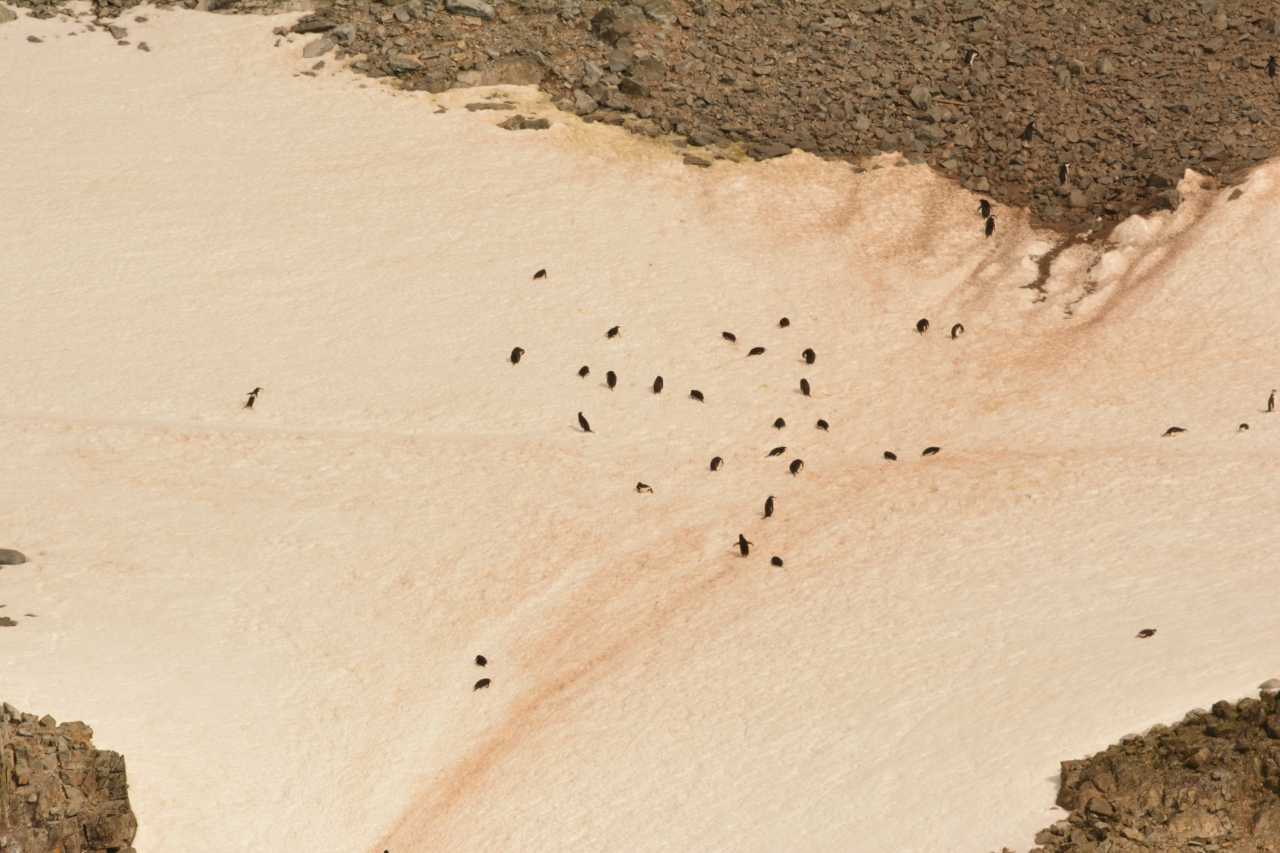 |
| As we leave, the penguin “runways” are really evident |
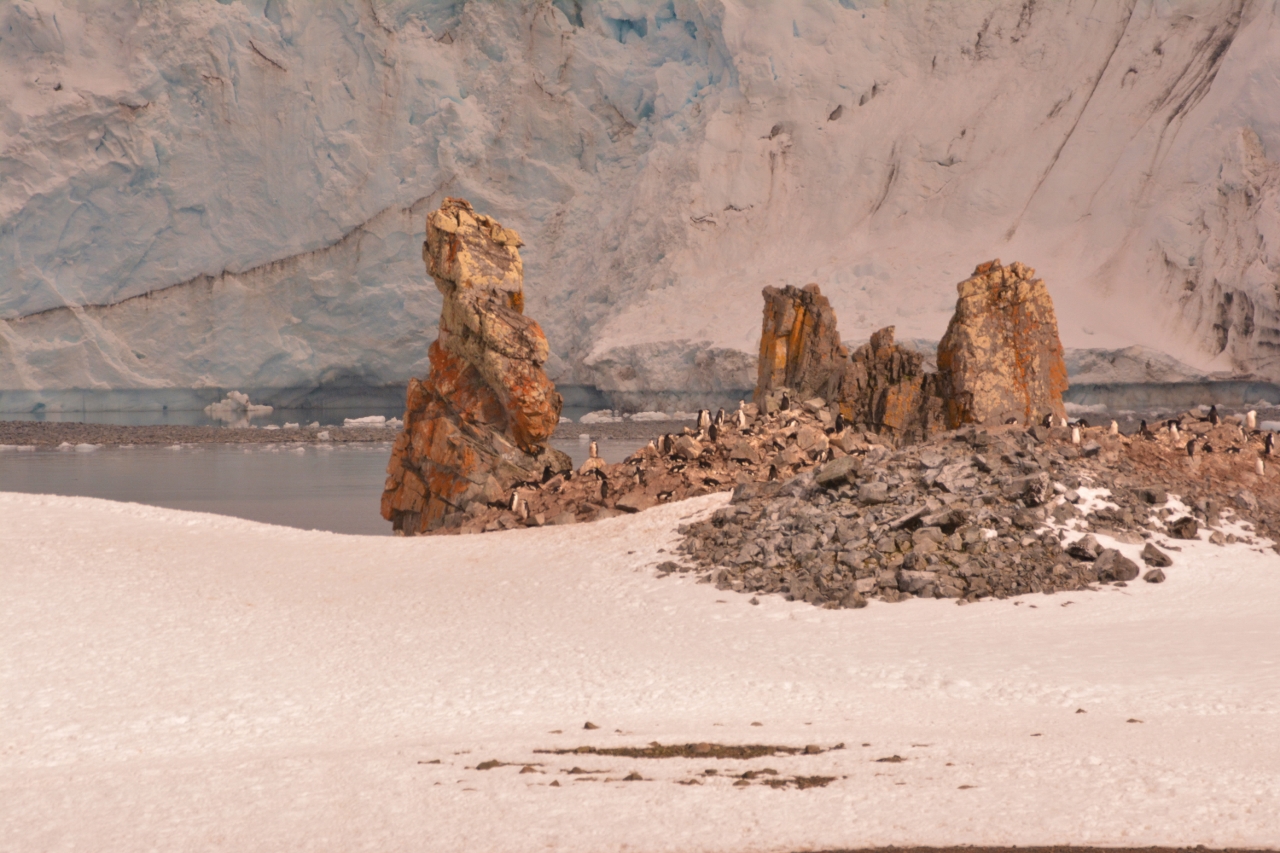 |
| The red lichens on the rocks bring some color, Livingston Island glaciers in the background |
 |
| Large tabular bergs standing just outside the island |
 |
| The rookeries extend clear to the top of the hills |
T
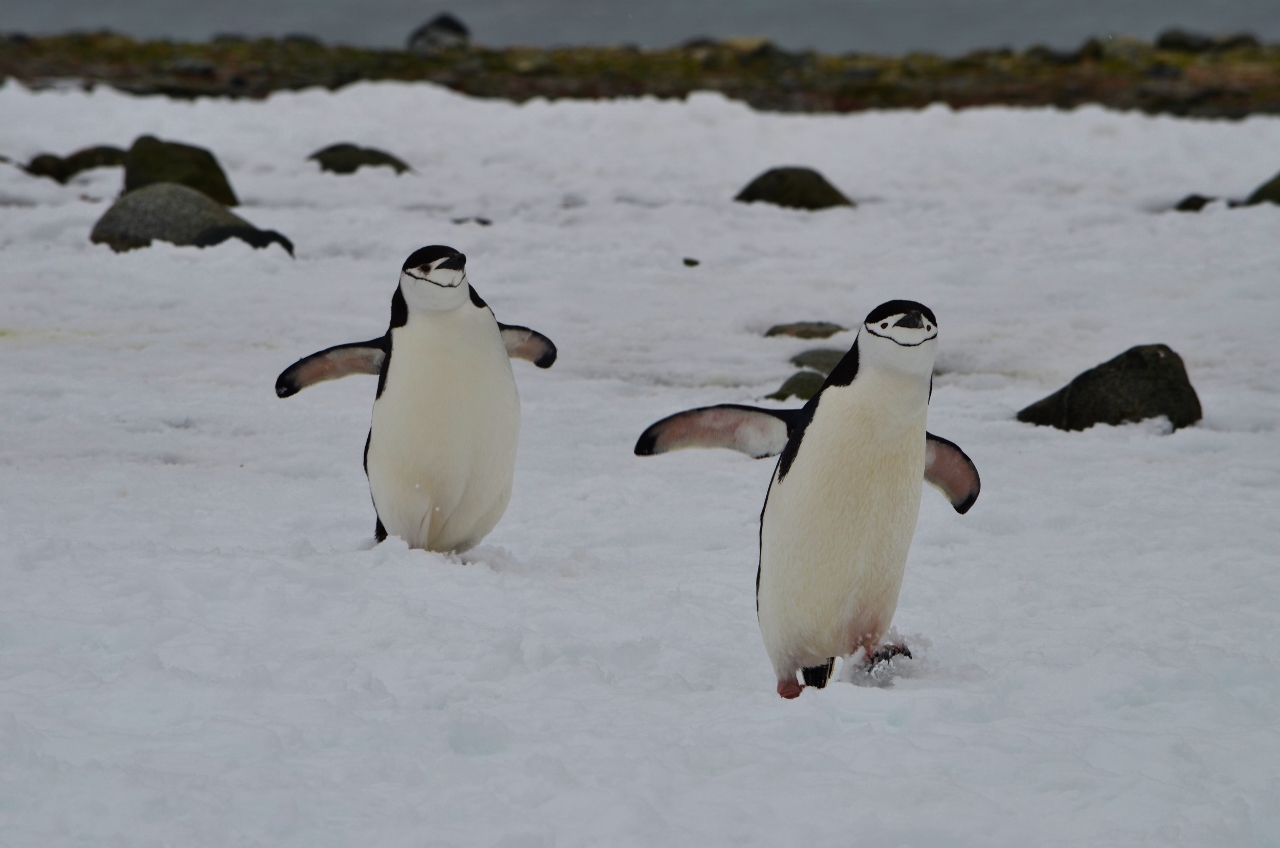 |
| The chinstraps are often in pairs |
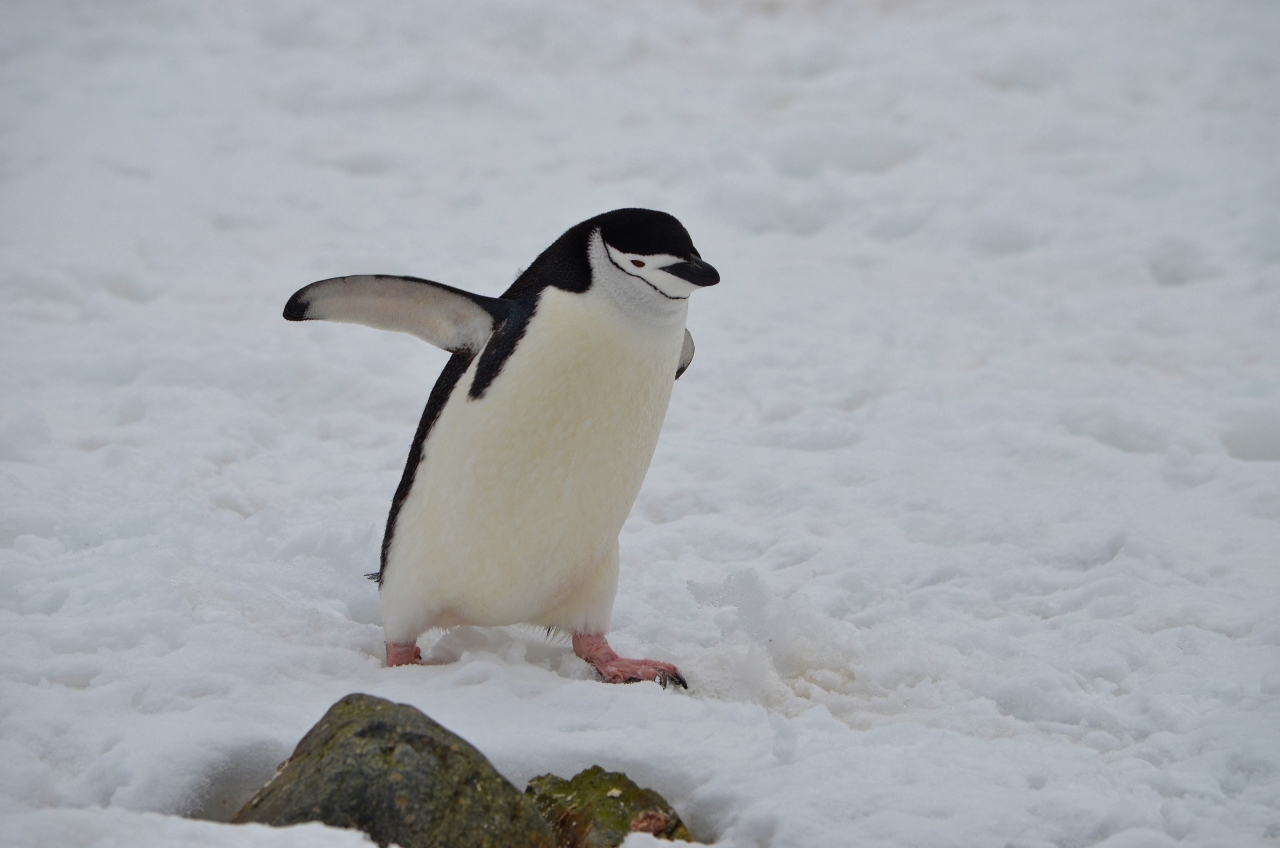 |
| But sometimes solo |
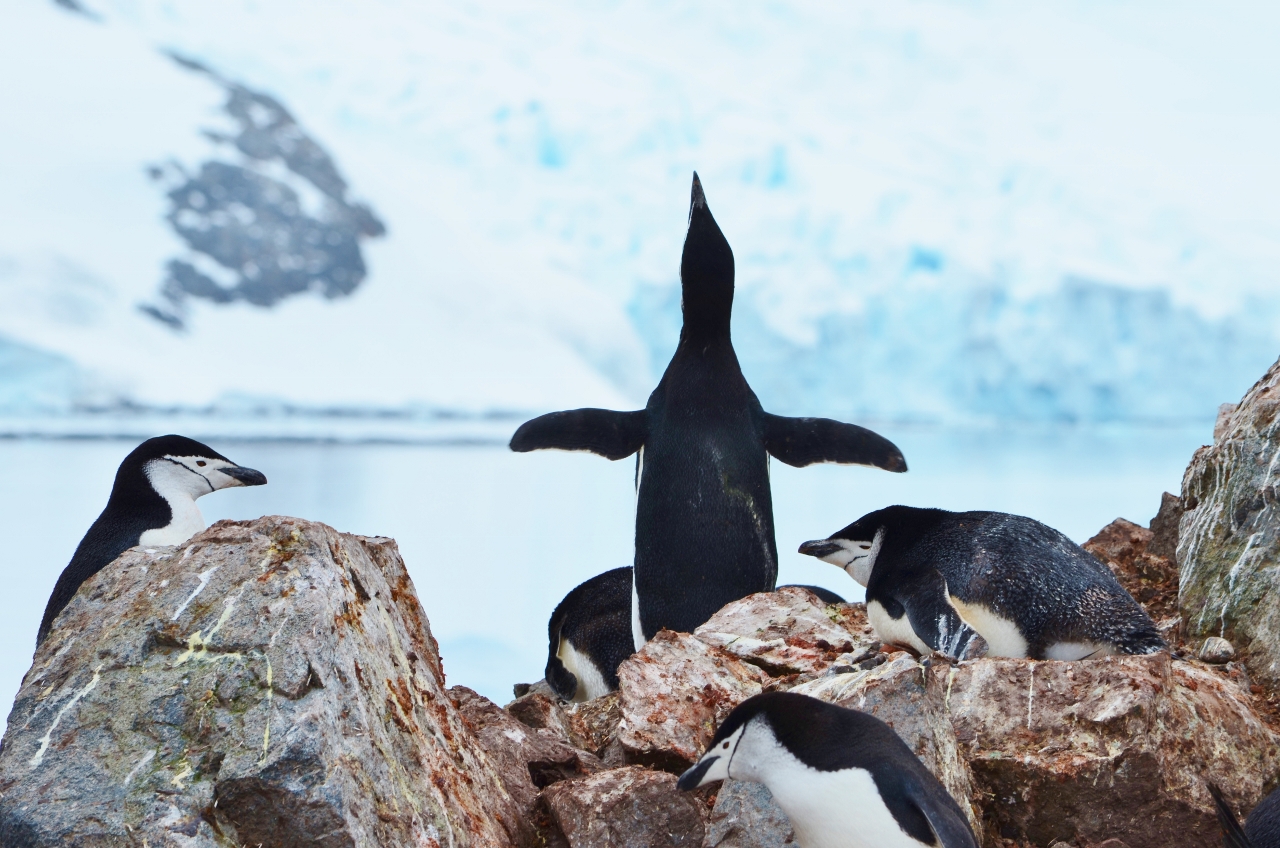 |
| Too bad we could not get the sound effects |
WHAT MAKES A GREAT CRUISING DESTINATION?
While Envoy is in Lefkas Marina, Greece, we are home in Auckland, New Zealand planning to return to Greece early April to hopefully commence cruising by late April.


Travel not to escape life but so life doesn’t escape you
Most years we cruise to dozens of different new bays, villages and towns and we enjoy most of them in their own way, but makes for a really special one?
Destinations fall into one of three categories – anchorages, town harbours and marinas. Wherever possible we opt for anchorages, even when there is a harbour wall to secure to or a marina nearby.
The reasons for this are:
Cost:
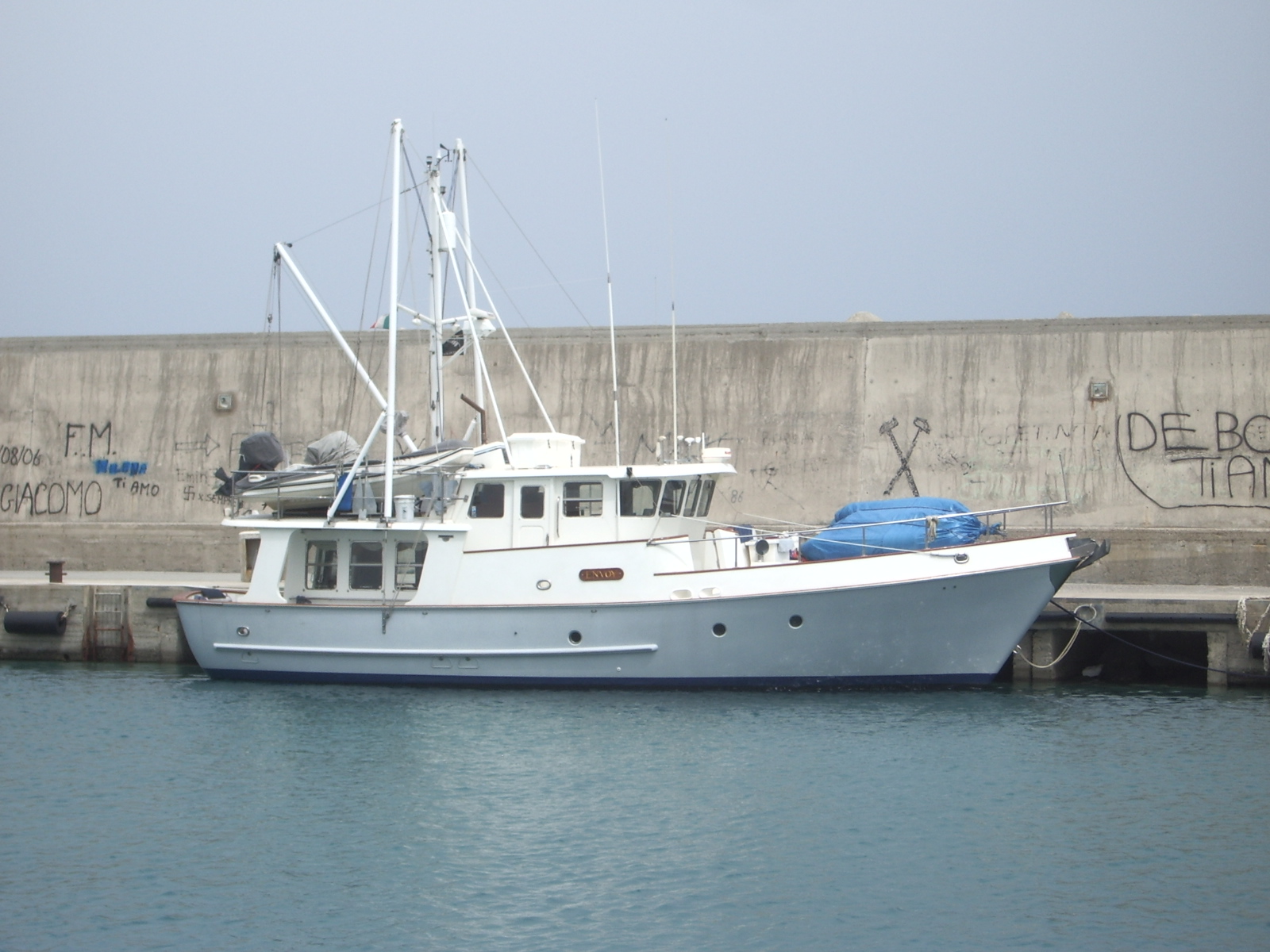
All marinas are fairly expensive at typically NZ$60-180 per night. While some harbours are free most charge something like half the lower end marina cost. When you’re cruising for months at a time you simply can’t afford to pay this cost more than you have to.
Mooring in a harbour is cheaper than a marina
Convenience:
It can take close to two hours to get into your berth, set up mooring lines, connect to shore power (if it works) and connect to water. In all marinas you then need to go to their office and show at least your passports, registration certificate and insurance policy and pay for your berth. In many cases you also need to go and visit the Port Police to show the same documents as well as the cruising log that most countries provide. This is less prevalent in harbours, but normally the authorities will come to find you. Leaving takes a lesser time, generally about an hour although longer if there is some complication such as another vessel’s anchor chain over yours (most harbours require you to anchor and then reverse in to the wall). In some destinations you need to visit the authorities on departure day as well, adding to the time. When at anchor there is rarely any obligation to visit authorities.
Coolness / Swimming:
There is more cooling breeze at anchor away from the shelter and concrete expanses of harbours and marinas. In the hot Med summers it’s great to be able to swim regularly and this is possible in most anchorages. Not so in marinas or harbours where it’s mostly not allowed and in any case dangerous due to the proximity of shore power and/or the water is too polluted.
When anchored it’s cooler, more private, easier and cheaper
Privacy:
You enjoy good privacy at anchor while in marinas and harbours you generally have a boat on each side with attendant noise and lack of privacy. Another factor is that many of the boats alongside you are charter boats with their crews on short holidays wanting to party all night.
Having said all of the above we choose to go into marinas and on harbour walls from time to time in cases where there is no safe anchorage, if extremely adverse weather is forecast, when we are meeting visitors, when we are doing repairs or sometimes simply to enjoy the atmosphere of special harbours.
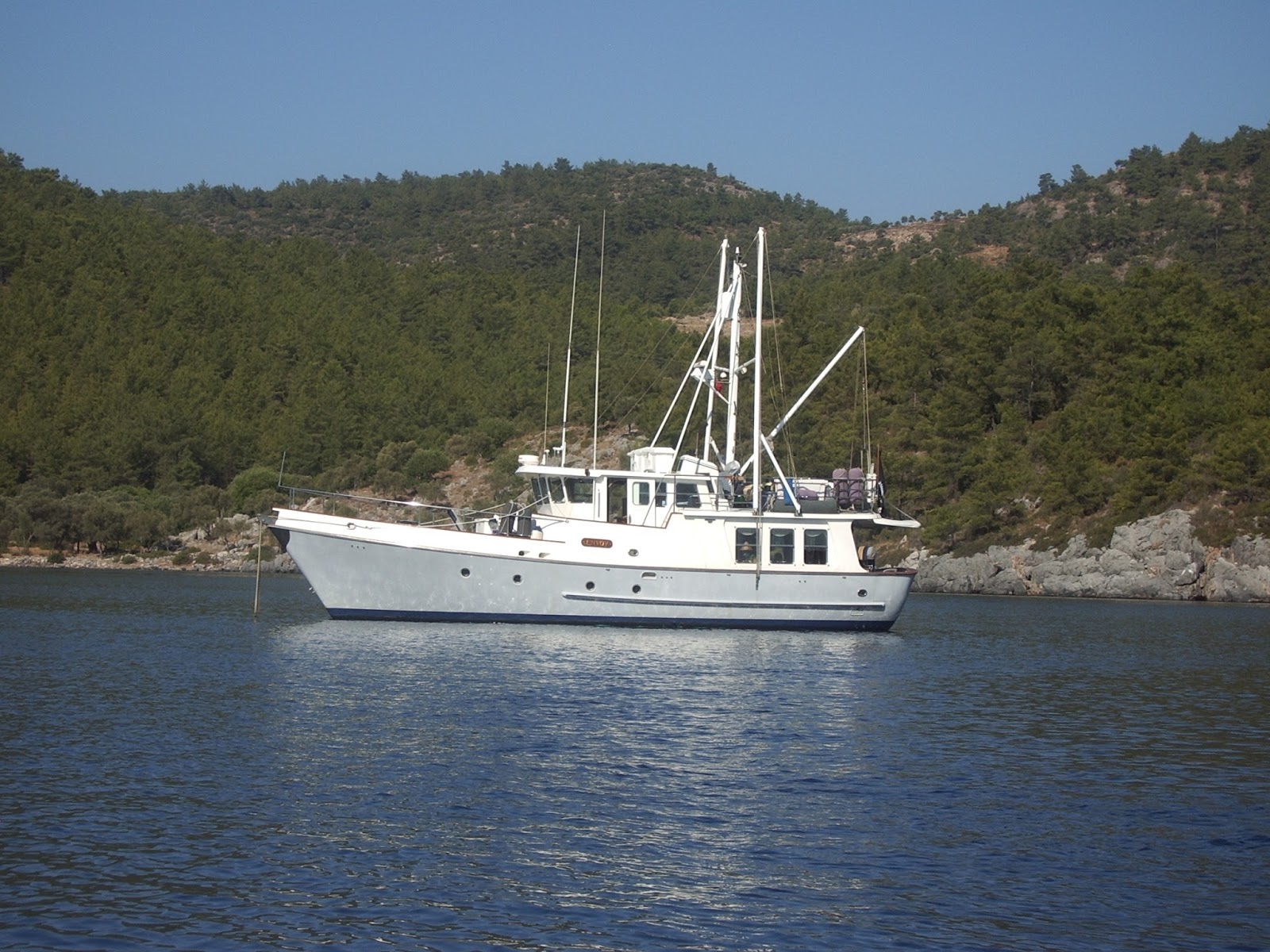
Sometimes it’s nice to enjoy the atmosphere of quaint harbours – Envoy in Fiskhardo

What makes an anchorage special? A special anchorage must have a great “atmosphere” and this can be from stunning natural features, from a picturesque village or town or from a combination of the two. Also most important is good holding and security in all forecast winds while second best is an alternative bolt hole nearby. You want calm water with little wind chop or swell from the open sea making for a peaceful stay. Too may vessels spoil an otherwise good anchorage, particularly if there are water skiers, jet skis or ferries passing through the anchorage, often at dangerous speeds and in close proximity. It should also have unpolluted clear water for swimming.
What makes a marina or harbour special? Those really special spots are mostly adjacent to atmospheric historic villages or towns. Again, most important is security in all conditions – many small marinas and harbours are not suitable for all weather and can encounter waves breaking over sea walls and dangerous surges. Allied to this is having good quality lazy lines to secure your bow (your stern is secured using your own lines). You want access to good facilities such as shore power, fresh water, toilets, showers and provisions with friendly staff (marinaras) to assist.
Black Point
OK, the crew can already hear you moaning, “Oh no, not another stinkn’ blog post about dogs swimming on the beach…” But wait. You would be so wrong.First, there is no swimming because the water was only a couple of feet deep as far back as where the …
Drake Passage
December 28 – At Sea crossing the Drake Passage
Weather conditions were good in the Drake Passage and we boomed across at full speed. The skies cleared and we passed by our first tabular iceberg and then a second one over one mile long, still small by Antarctic standards. We could see whale spouts, but they were too far away to identify the species. By 2000 we had officially crossed into Antarctic Waters.
 |
| The berg in the background is more than 1 mile long |


Glacier Alley and Ushuaia
December 27 – Glacier Alley and Ushuaia
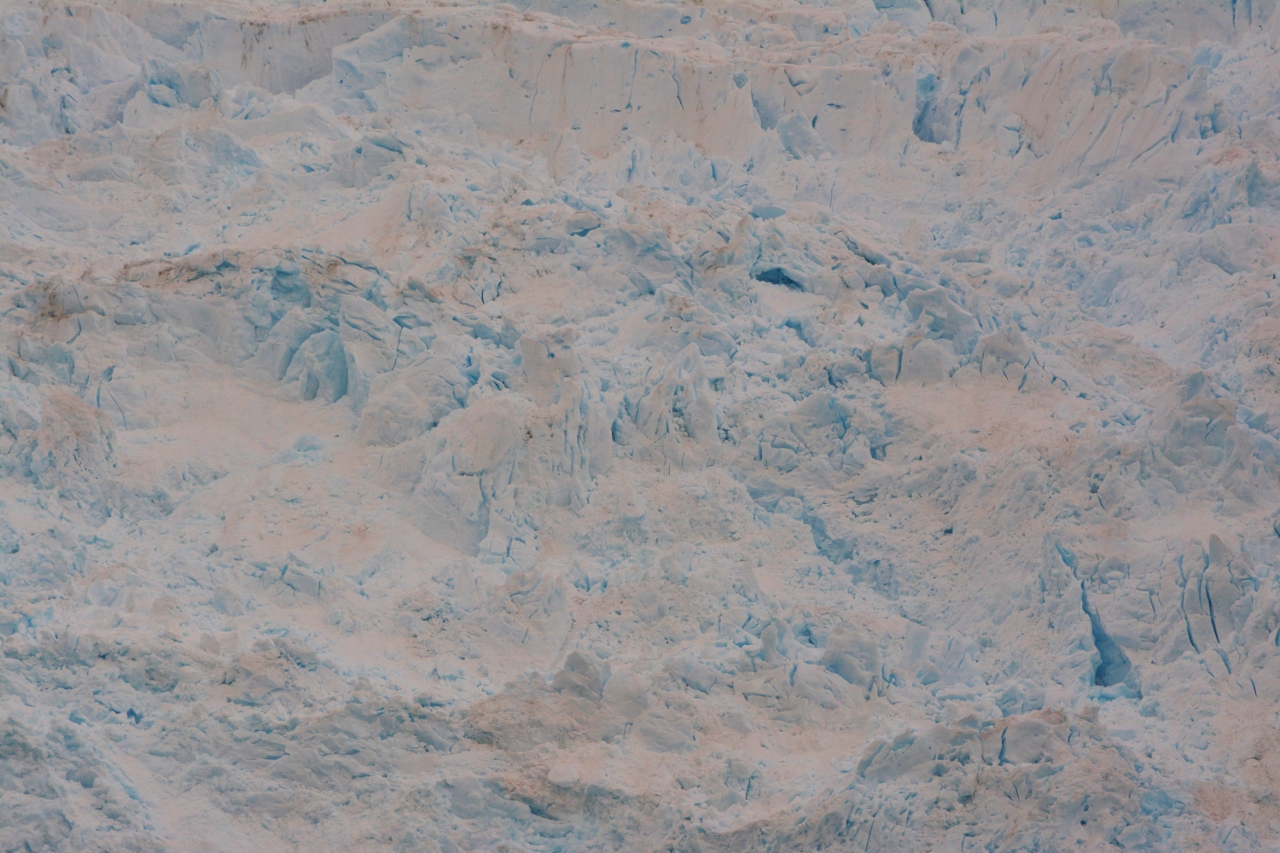
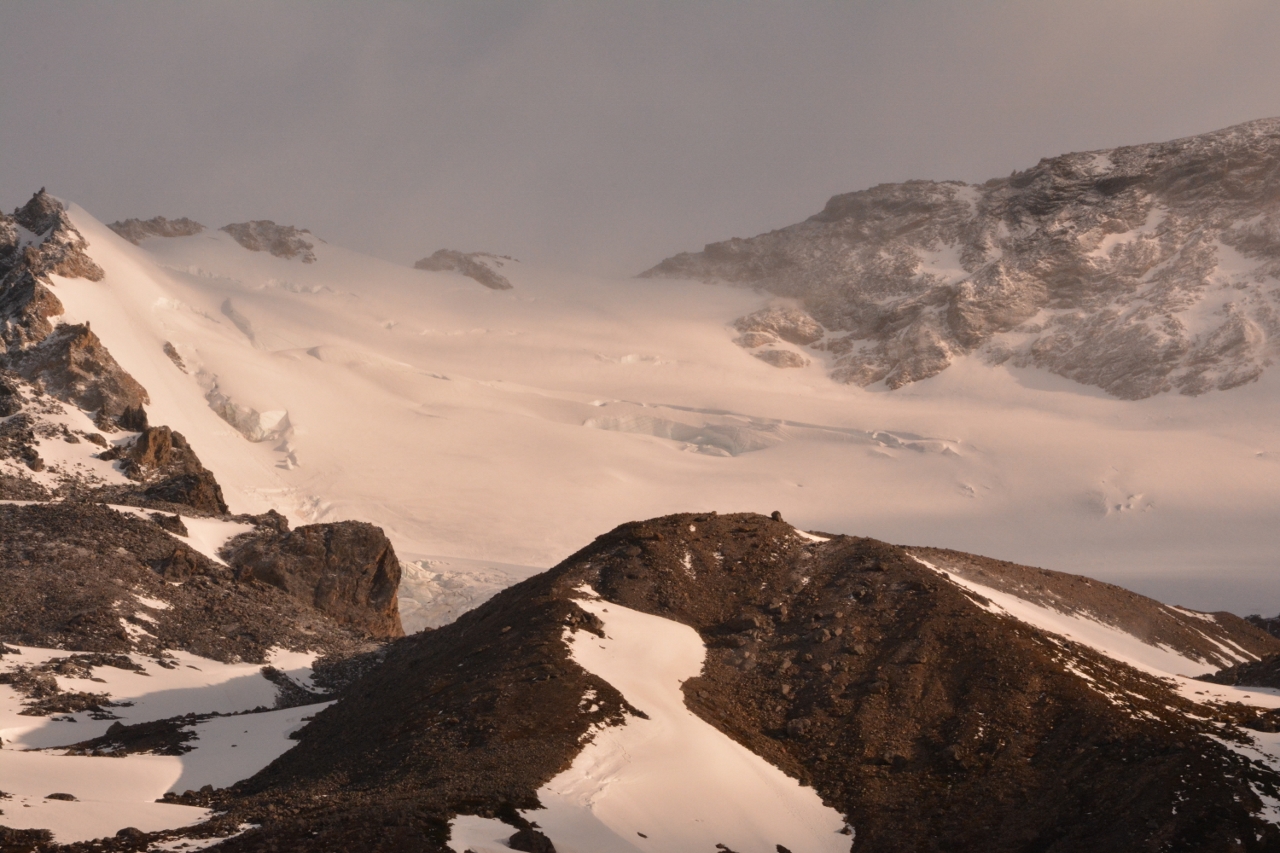
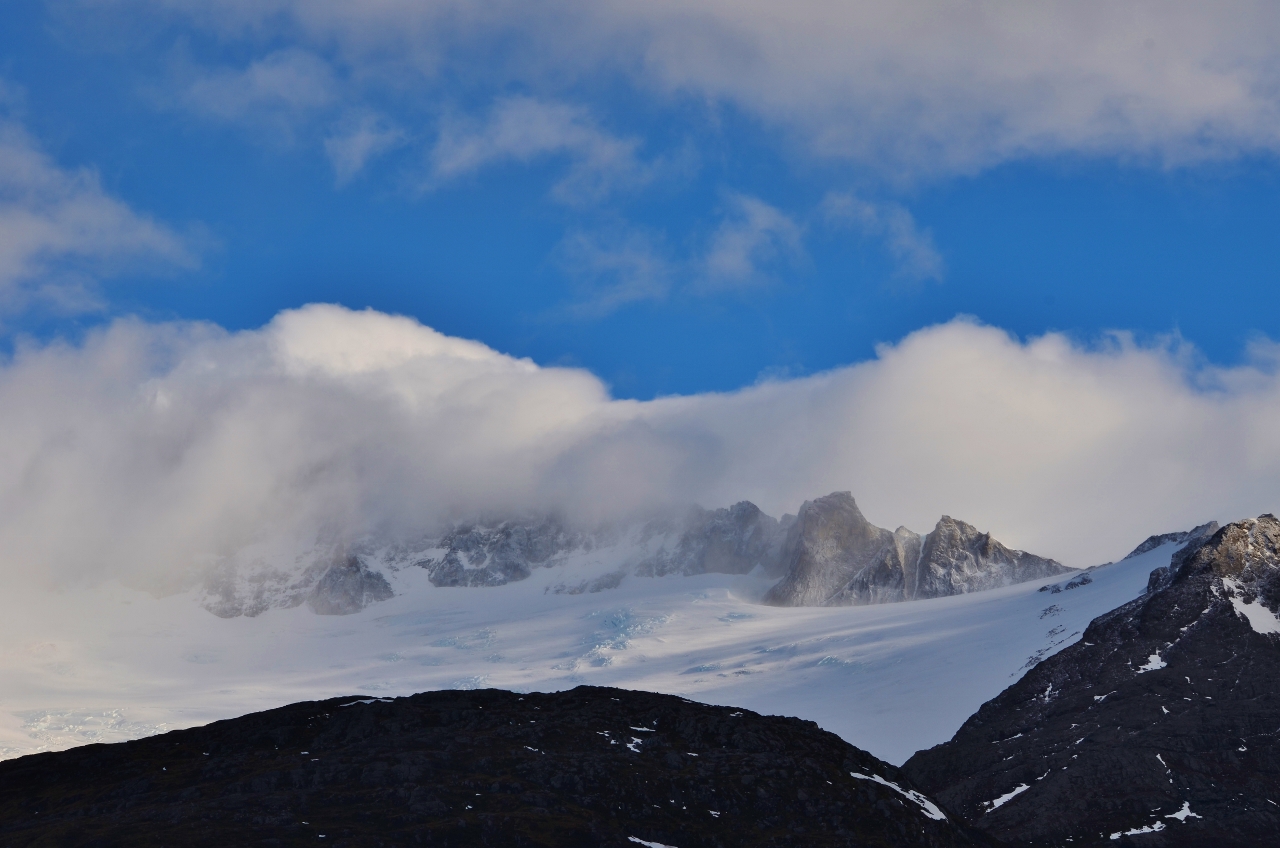
We were up at 0500, along with most of the passengers, as we entered Glacier Alley. The proper name is Darwin Pass and it leads to the Beagle Channel and Ushuaia. Almost all of the glaciers were on the port side, so we had a good view from our stateroom, as well as the bow. There were about six glaciers, many named after countries. The transit took only about one hour and then we joined the Beagle Channel.
 |
| Entering Glacier Alley near dawn |
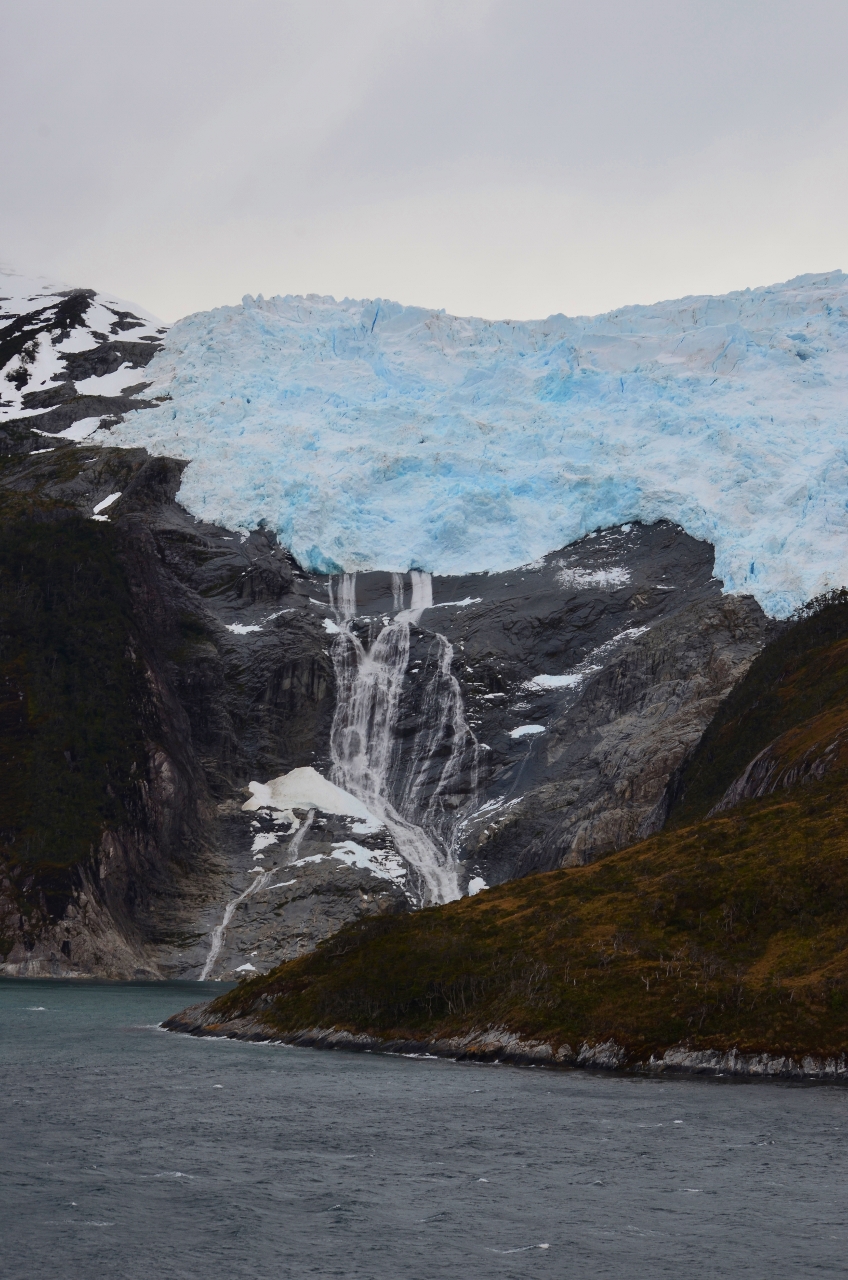
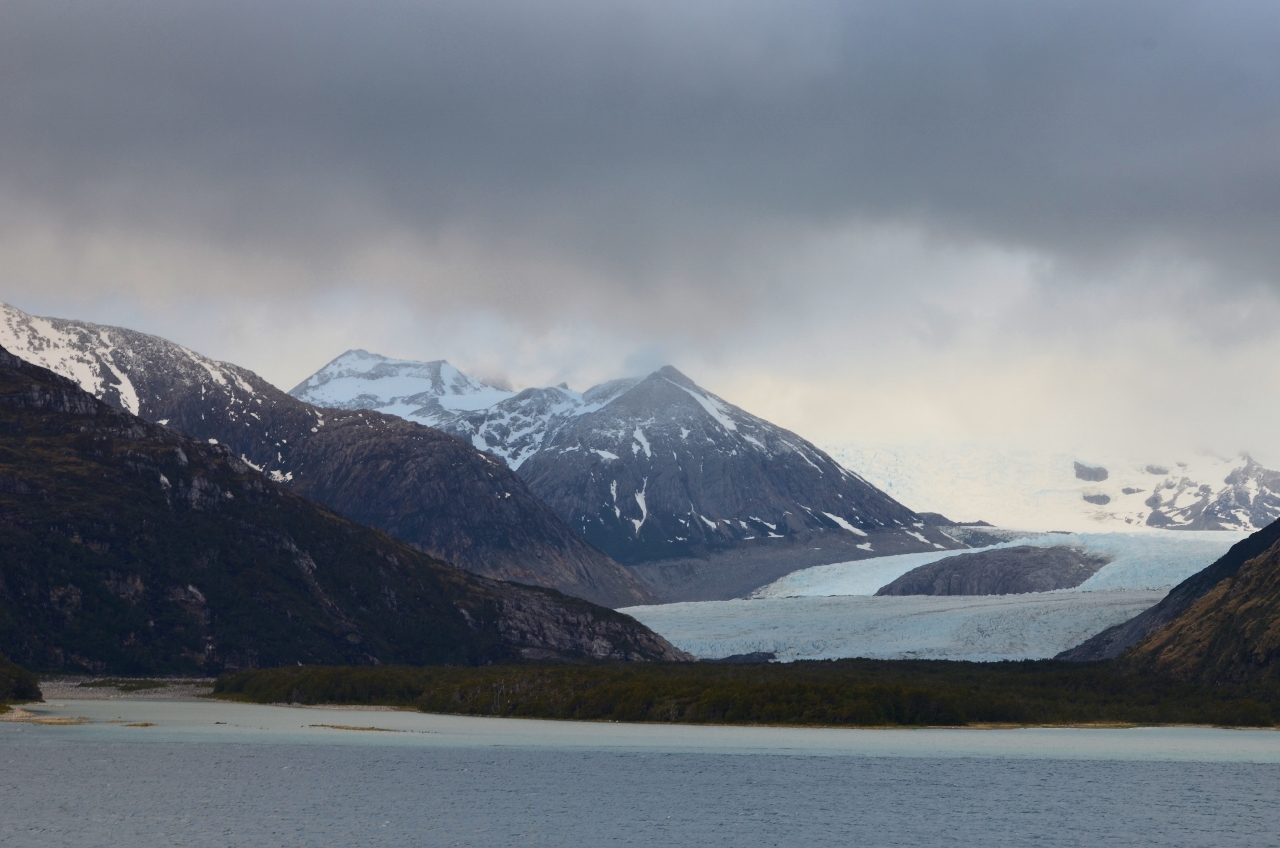
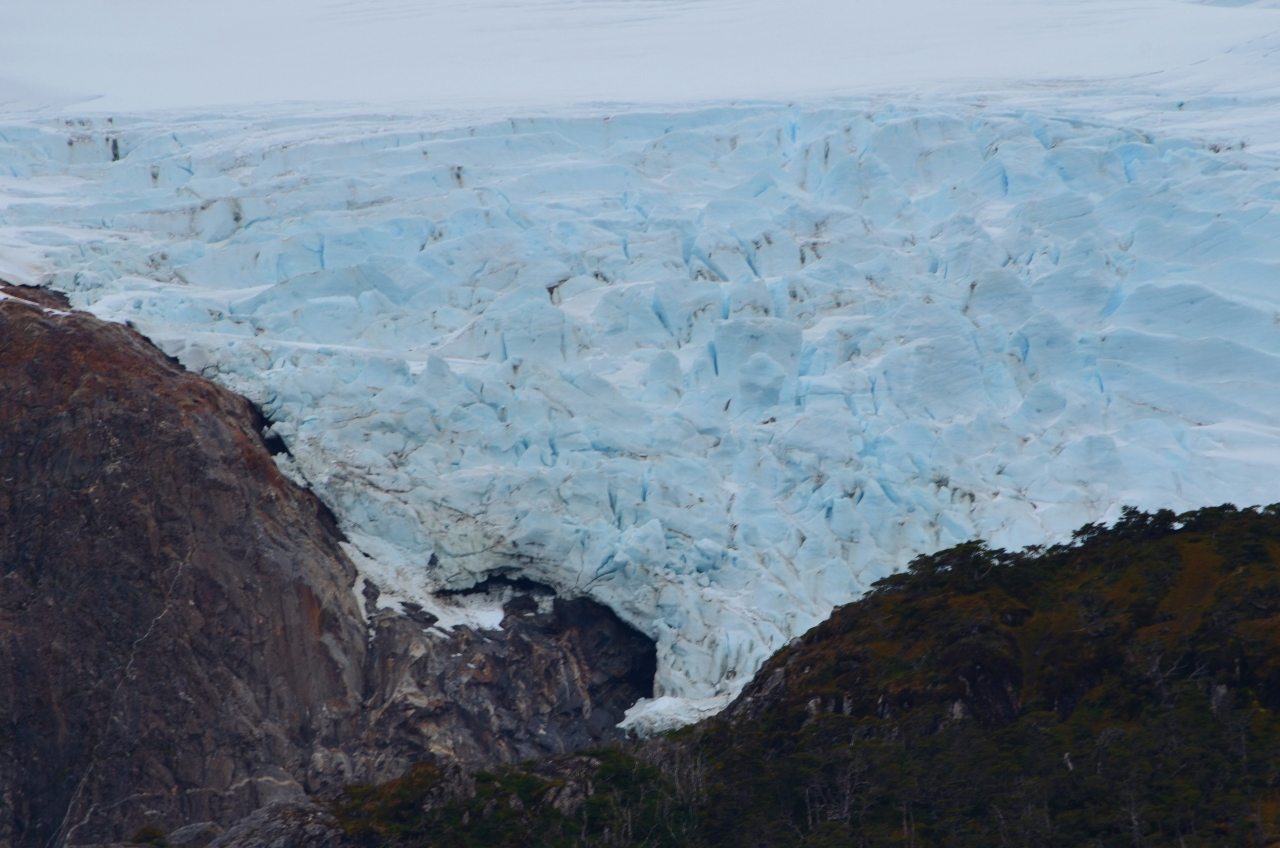


The wind really increased from behind us as we followed another cruise ship down the channel and made the turn around the Fin El Mundo lighthouse and into Ushuaia harbor. The docking was interesting since the captain used the other cruise ship as a lee from the wind and turned the ship around and docked stern first. We were off the ship shortly after 1100 and walked the few blocks to the main street. The local people are still militant about the Falkland Islands war and you are greeted right on the dock with signs. Since it was Sunday, most of the shops were closed until later in the day.


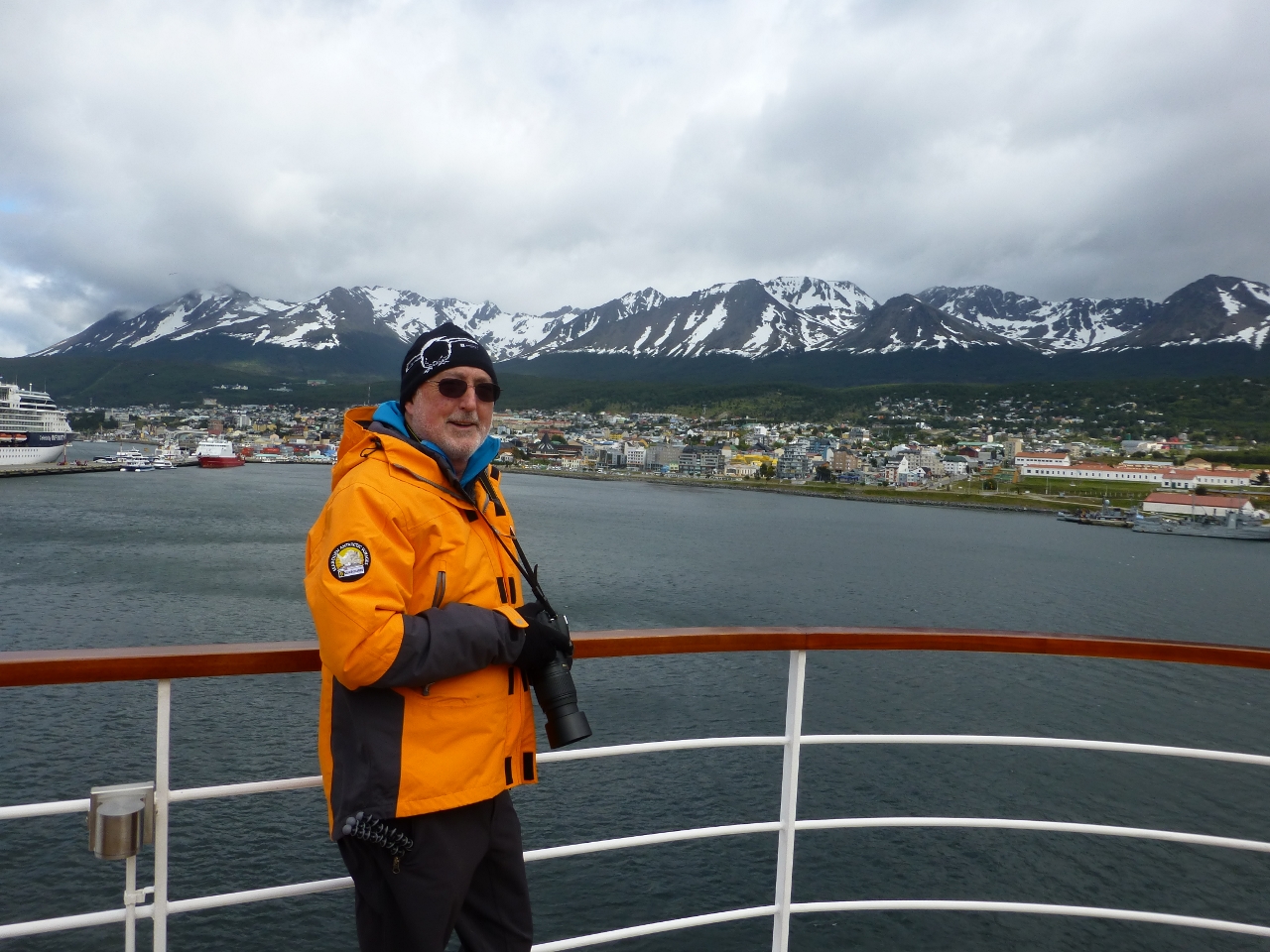 |
| Approaching Usuaia |
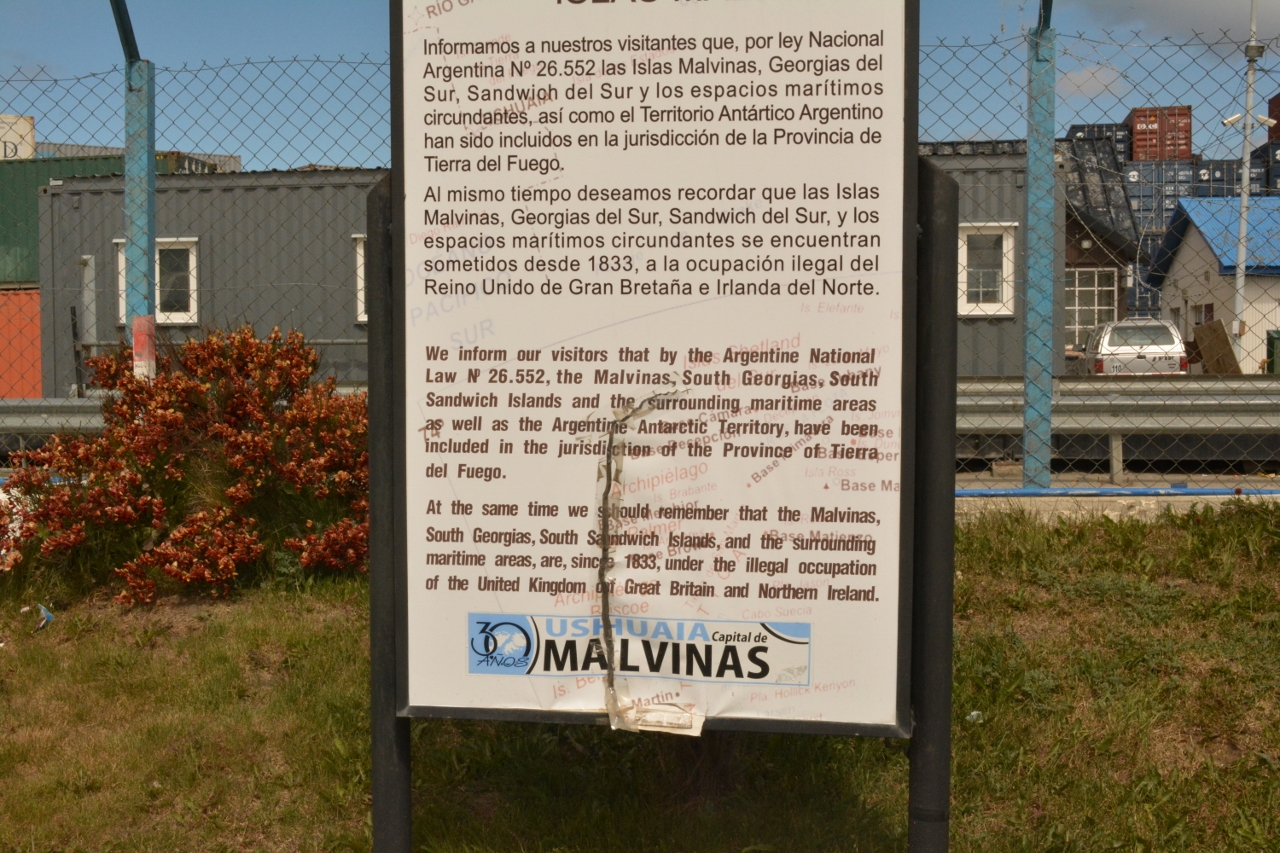 |
| Political statements on the dock |
 |
| We have entered Argentina |


 |
| Irish Pubs are everywhere |
 |
| Since it was Sunday, the bells were ringing |
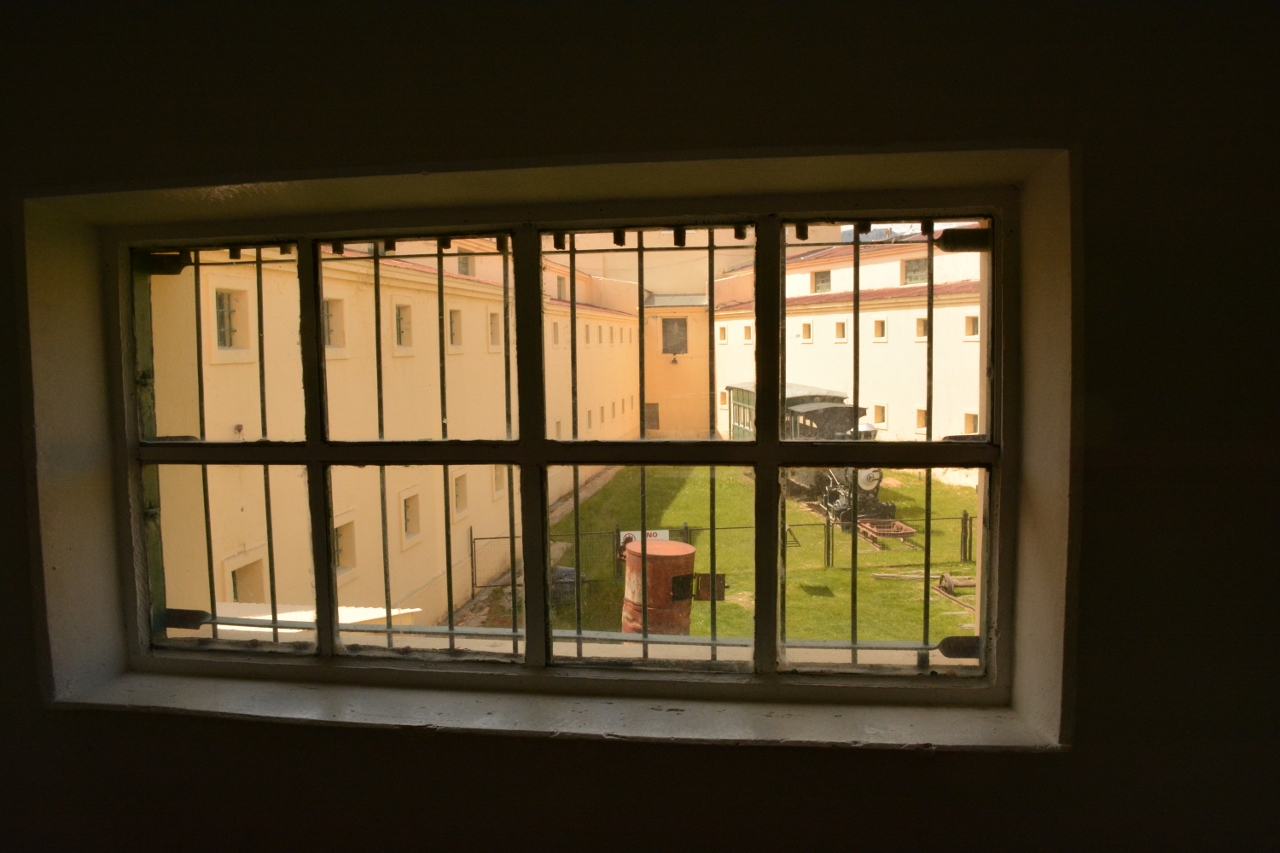
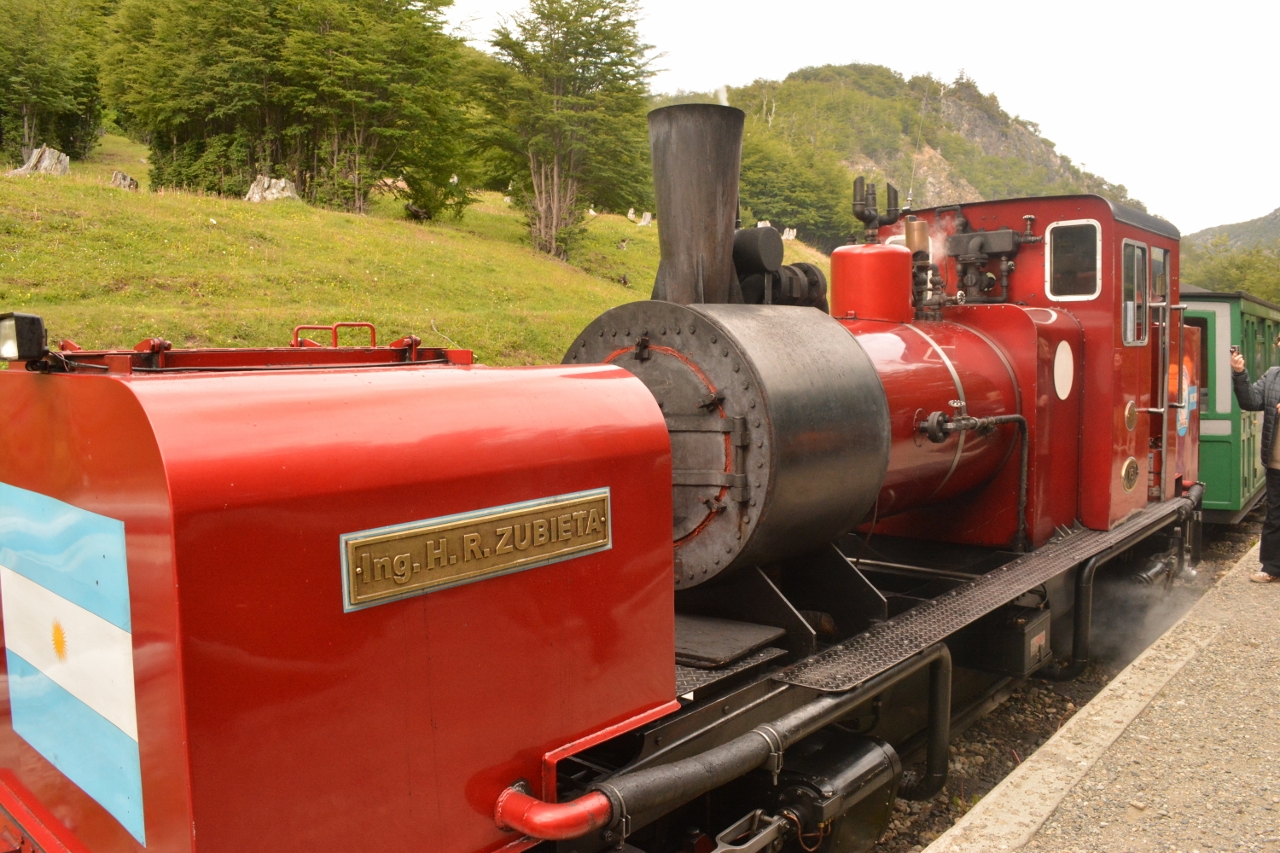
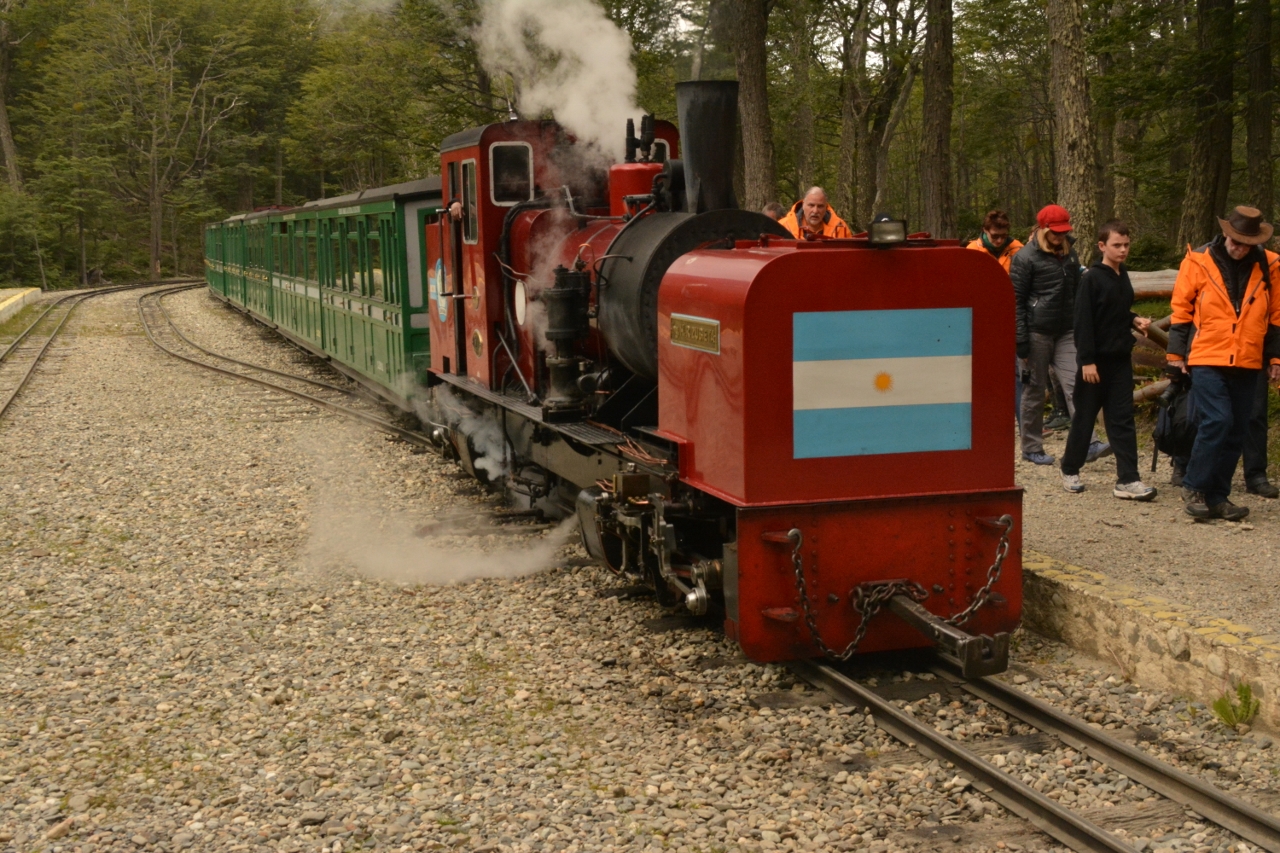
Ushuaia is a pretty rough town, with an eclectic mix of architecture and graffiti. Returning to the ship we had lunch and then boarded buses for the short ride to the Prison at the end of the world, now a museum. The prison was active from 1904 to 1947. The prisoners cut wood and built streets in Ushuaia, hence the reason for the narrow gauge train into the forests. After time at the museum we then headed to the partially restored train for a ride of 7 kilometers into the National Park. At the end of the line we boarded our buses for a visit to Ensenada Bay for scenery and then back to the ship, which departed at 2000.

 |
| Part of the prison is now a museum |
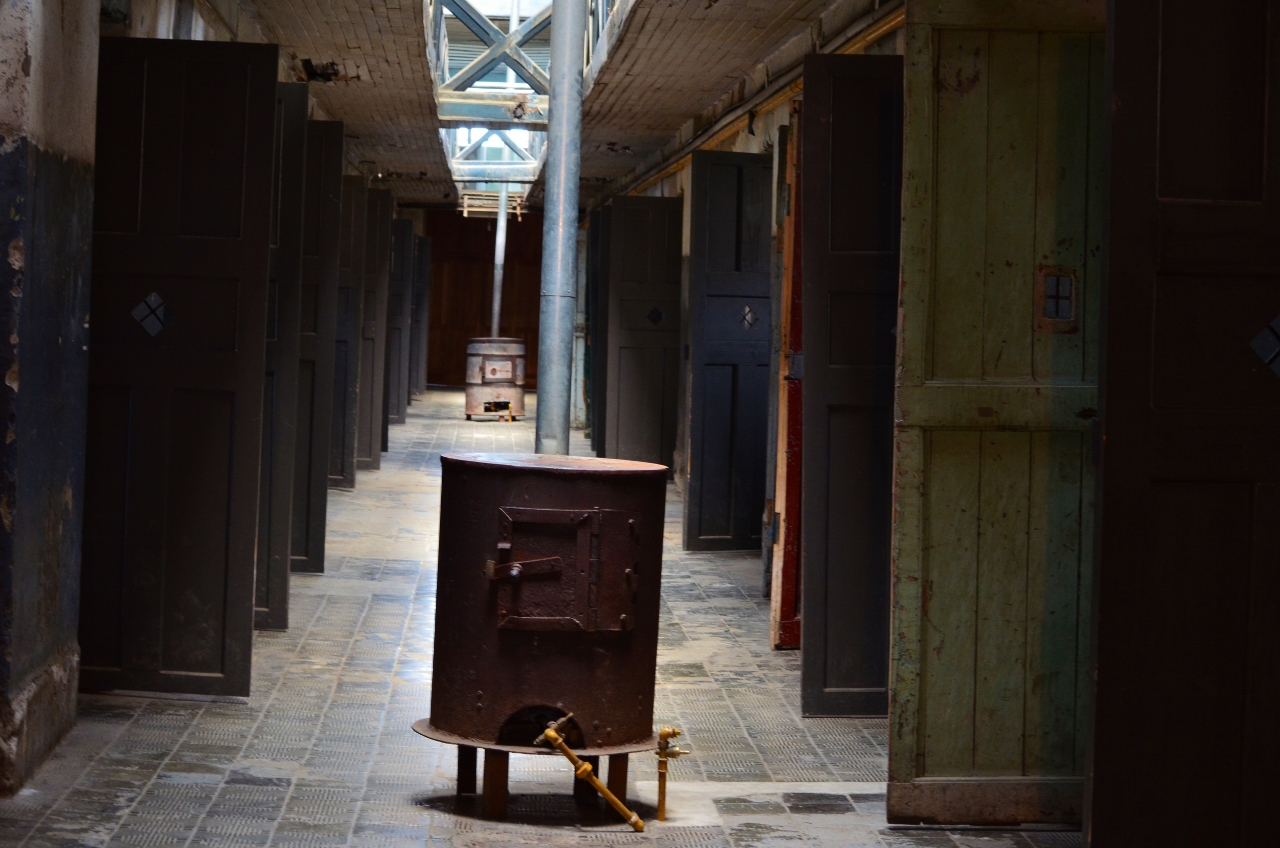 |
| Those stoves were the only source of heat |
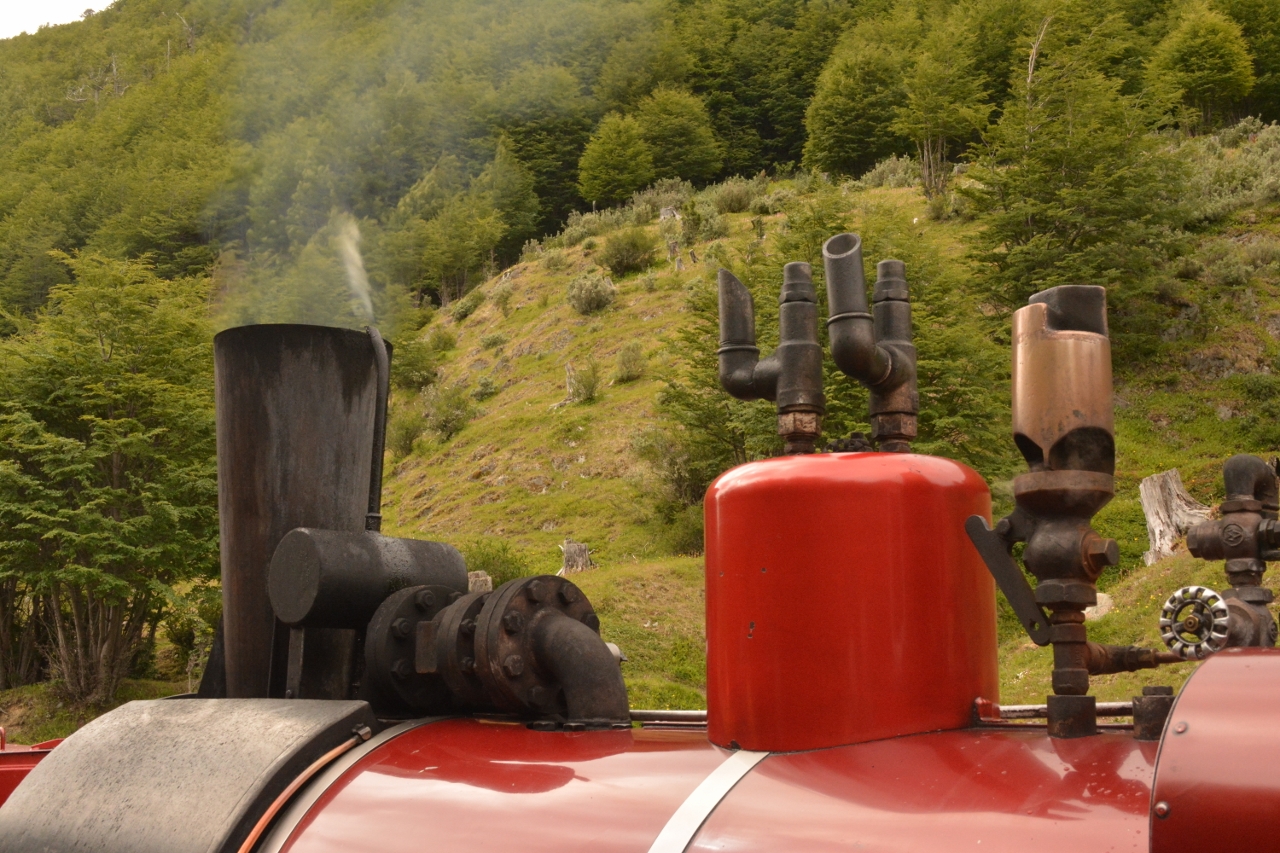 |
| The steam train has been restored |
 |
| Add caption |
 |
| We are sure the prisoners did not get cars |
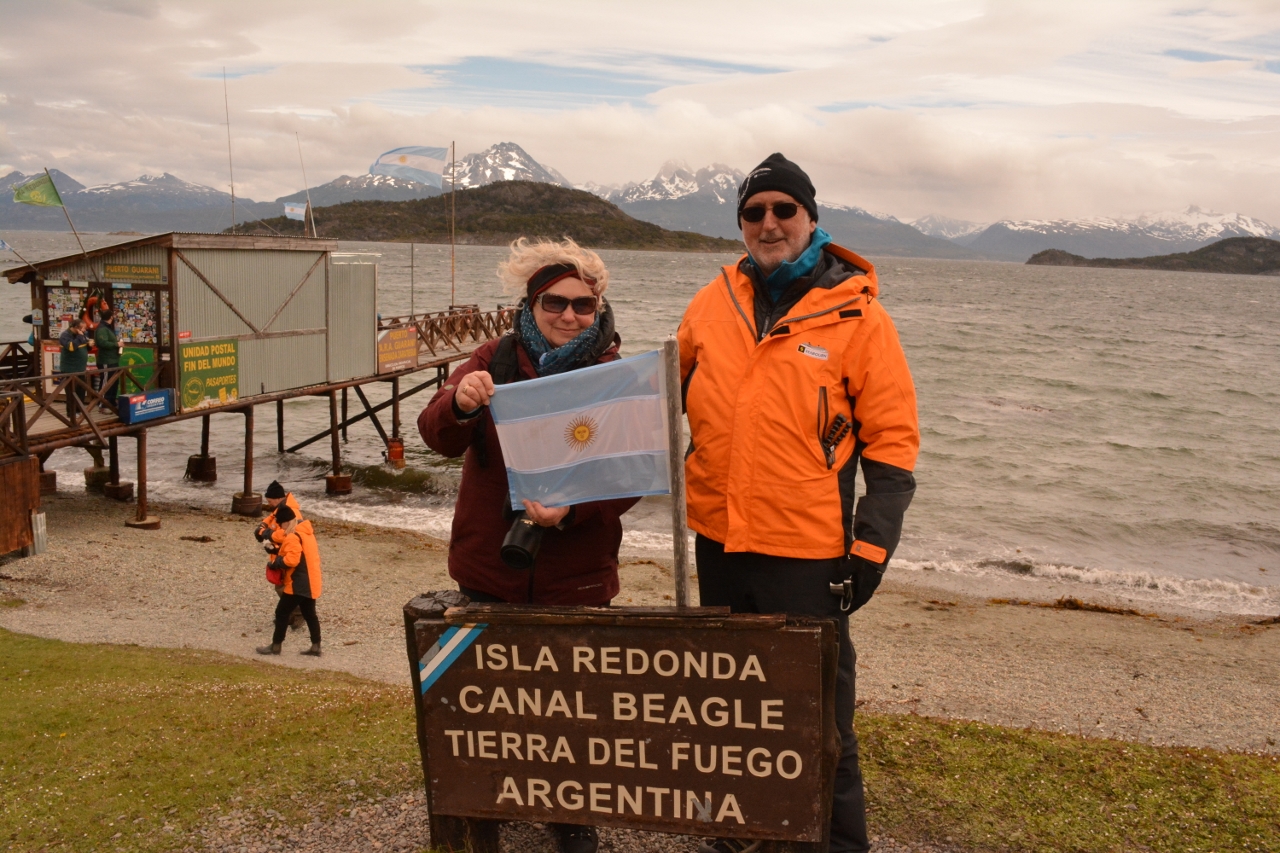 |
| At Ensenada Bay looking over the Beagle Channel, Chile in background, |
First Penguins
December 26 – Punta Arenas
The Seabourn Quest docked in Punta Arenas at 0600. At 0700 we boarded a bus with about 30 other people and headed for the speedboat tour of Magdalena and Marta Islands. We watched sea lions off of Marta Island and then landed on Magdalena Island to spend one hour with Magellanic Penguins. The island is a preserve and there are 120,000 Magellanic Penguins breeding and living in their nests, alongside with many gulls. In general this penguins mate for life and return to the same burrows year after year. Many of the penguin chicks were out, all fluffy and gray. The birds ignore tourists, walking right in front of you at times. There were also many gulls nesting, some with new chicks.
 |
| Arriving in Punta Arenas – L’Boreal is broken down alongside dock |
 |
| Marta Island Stellar Sea Lions |


Returning to the ship, the speedboat was chased briefly by a pod of Southern Porpoise. We returned to the ship for a quick lunch and then took the shuttle bus into town for a quick walk around the main square. Since it was siesta time many of the shops were closed.
 |
| Local goods in Punta Arenas |
 |
| Statues to Magellan |
 |
| Typical Church |
 |
| Miriam observing the sights |
Returning to the ship we rested and then went to the sailaway party before joining many others in the main restaurant for the chef’s dinner, a multi-course tasting menu with an entrée of local halibut. The evening finished up with the ship’s vocal group singing “songs of the city”.
Tomorrow early we transit “Glacier Alley” before we arrive at Ushuaia before noon.
Chilean Fjords
December 24 – Christmas Eve
About 0300 we headed out of the protected channels and back into the Southern Ocean where a full SW gale was blowing, with winds to 52 knots and seas to 8 meters. The motion was radical at times, with the entire ship enveloped in a cloud of wind blown spray. As we continued to head south the ship gradually took the seas on the beam and the motions got somewhat better, but with occasional slams where the entire ship shuddered. All the outside decks were closed, the pools were drained, and there was little people traffic around the ship. Some of the crew were succumbing to motion sickness as were many passengers.
 |
| Enjoying the whirlpool leaving Chiloe |
 |
| The seas got a little rough |
 |
| Entering the first of the Chilean Fjords |
By 1000 we had made the turn into the Gulf de Penas where even from miles away we could see the waves breaking on the headland and sending spray high into the air. At 1600 we entered the first of the Chilean Fjords. The weather is getting colder as we head south with the high today of 54 degrees, the same as the water temperature. As we headed into the fjord the wind lessened and the waves disappeared, but the cloudy conditions remained.
Later this afternoon there is a sing-along Christmas Carol event, followed by a family style dinner in the Colonnade of roast turkey and all the fixings, which we will attend, in addition to the regular restaurant menu choices. We shared dinner with Seng and Su Ong from Malaysia, who are in the suite next to us. Following dinner was a holiday show, “Santa Claus – The Musical” to cap off the evening. The only choice for religious services is a Catholic Mass at 11:30 PM.
 |
| Family Style Christmas Dinner |
 |
| The Christmas Penguin after the show |
 |
| Some gifts from the ship |
As the show ended, the ship turned and headed back out into the Pacific and the motions once again became apparent. That did not seem to affect our sleep.
December 25 – Christmas Day
We awoke early to calm seas, rain and low clouds as the Seabourn Quest had re-entered the fjords while we were asleep. Shortly after 0800 Seabourn Quest slowed as we approached El Brujo glacier and then eased forward through the floating ice until the glacier face was visible, several miles in the distance.
 |
| El Brujo Glacier |
 |
| The bow deck is open for viewing |
 |
| Deck 11 is also a good place for photos |
 |
| This glacier looked large until we got to Antarctica |
After everyone’s photos had been taken and ship was departing the glacier, Santa suddenly appeared racing towards us in a zodiac, waving to those of us left on deck. Still in the rain we continued down the Chilean Fjords as the weather gradually improved. We passed by a shipwreck and a mountain volcano that looked a lot like Mt. Rainier. As Christmas Day finally came to a close, we watched the early show, with a magician, a gala dinner with British poppers for everyone and then a harpist. We did not attend the last show since we had an early tour in Punta Arenas.
 |
| Shipwreck in the fjord |
 |
| First of many seabirds |
 |
| Santa Arriving by Zodiac |
 |
| Chilean Version of Mt. Rainier |
FPB 70 – A New Baby Sister!
There’s a new kid on the block, a smaller sibling to the FPB 97 and 78, and like most younger …Read More
