Tag Archives | Nordhavn

Anna Mae and crew in The Cayos De Albuquerque

After a hectic day of trying to clear out of Panama, a taxi ride to Colon and paper shuffling, we set out late on the afternoon of the 16th for our 215NM run to a tiny little island owned by Columbia, Cayos De Albuquerque. 
The water was bumpier than we anticipated. Leaving Shelter Bay, passing through the breakwater into The Caribbean and leaving The Panama Canal behind, the winds bounced around us blowing 25 knots. The wave heights hit up to 9’ averaging around 7’ at 8 seconds, Anna Mae performed flawlessly. 
The captain maintained a positive attitude, his first mate was not much help through the night. I’m glad to have Tom and Susanne on board. Early the next morning I managed to take a few shifts, I am experimenting with motion sickness medication, enough said…
By late afternoon of the 17th we could see our destination in the distance. A large reef surrounds the two islands of Cayos De Albuquerque with a tricky entrance of many shallow areas. One of the Islands is a Columbian military base and the other a small fishing camp. Our VHF radio sounded as we approached. A not so happy Spanish voice expressed in unfriendly terms that we were not welcome, although our Columbian Zarpe and crew list showed that we could drop our anchor in Columbian waters.
Bill and I had our eyes on the charts trying to decide which mapping program was the most accurate,  Nobeltec, Coastal Explorer or Navionics on my IPad. Tom and Susanne gave us hand signals from the bow. Watching the depth sounder made all of us very tense. Continually conversing with the Spanish voice on the VHF that we needed to anchor before the sun set. Attempting to maneuver out of the coral reef in the dark was not an option.
Eventually we found a spot to anchor and repeating No hablo Espanol Senor the gruff Spanish military voice relented and reluctantly allowed us to stay and we settled in for the night. 
We woke the next morning to blue skies, and a visit to The Columbian Military Base on the island. As we approached a very young man with a machine gun approached and escorted us through sandy walkways shaded with palm trees and lined with conch shells. I wanted to scoop up as many as I could, but was afraid that might be frowned upon by our Columbian friend with the machine gun, so I refrained. 
The military base is very primitive. The 20 or so soldiers on the island live in a small building with bunks stacked three high. None of them look to be older than 25 or 30. When they examined our passports, exit papers, Zarpe and crew list from Panama indicating our entry into Columbia they decided all was okay.  Several even smiled and attempted to joked with us. My Spanish isn’t great and Bill’s even worse. Bill was talking with them in his famous Spanglish dialect. They all laughed, I’m sure not with him but at him…
As we walked back to our dingy one of the soldiers knew I had my eye on the conch shells stacked in piles along the bank and lining the walkways. I wish I had a picture, but was told no photos permitted. One of the soldiers got a huge smile on his face and asked me to wait while he got something for me. I thought for sure I was going to add a big beautiful conch shell to my collection.(Cherie you would have been in shell heaven). Instead of the shiny shell I was anticipating he walked out from behind a palm with a live sea turtle and handed it to me. For the time being the shell was forgotten, I was instantly in love with the little turtle. 
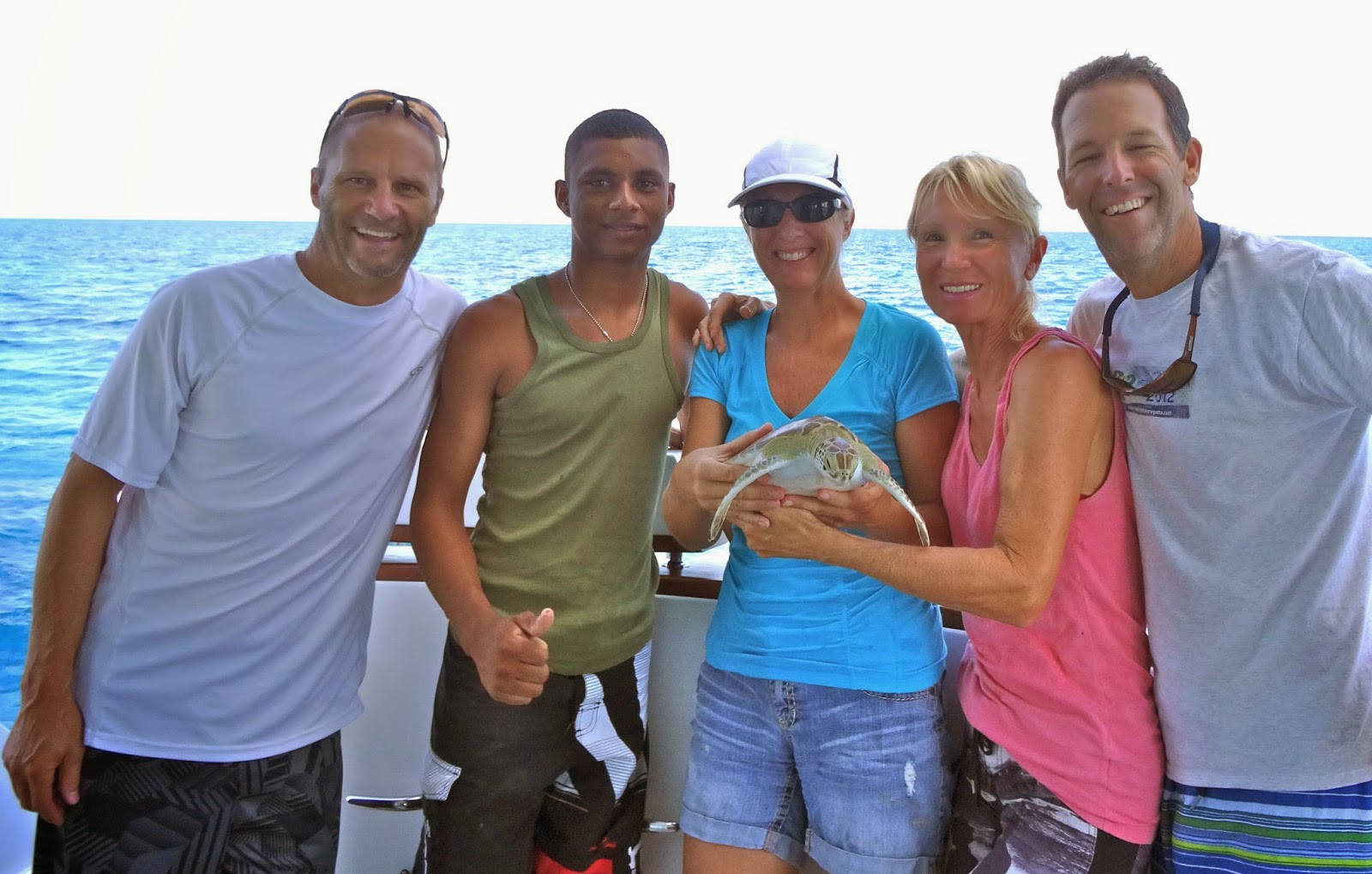
Our new crew members.


My first thought was why do you have this little guy and please tell me you don’t eat them? They all laughed, indicated they they helped the turtles as they migrated to the island to lay their eggs. This little guy was about 5 years old. As I was holding him his front flippers slapped at my hands and he stretched his neck toward the water. 
Two of the soldiers asked to come aboard Anna Mae for a tour. The turtle was snuggled in my lap as we all made the short ride dingy ride out to Anna Mae. I petted the turtle behind his head and on his tummy, he was so soft.
After a quick tour of Anna Mae and a few pictures, we filled a bag with drinks and some food the soldiers could share with their buddies. We had a little ceremony when we set our turtle free, he swam away quickly with a smile on his face.
Today we snorkeled off the reefs surrounding the islands, the crystal clear water is beautiful with so many colorful fish and amazing sea life. We saw a large lion fish hanging out in a cave along with a multitude of colorful sea life. 
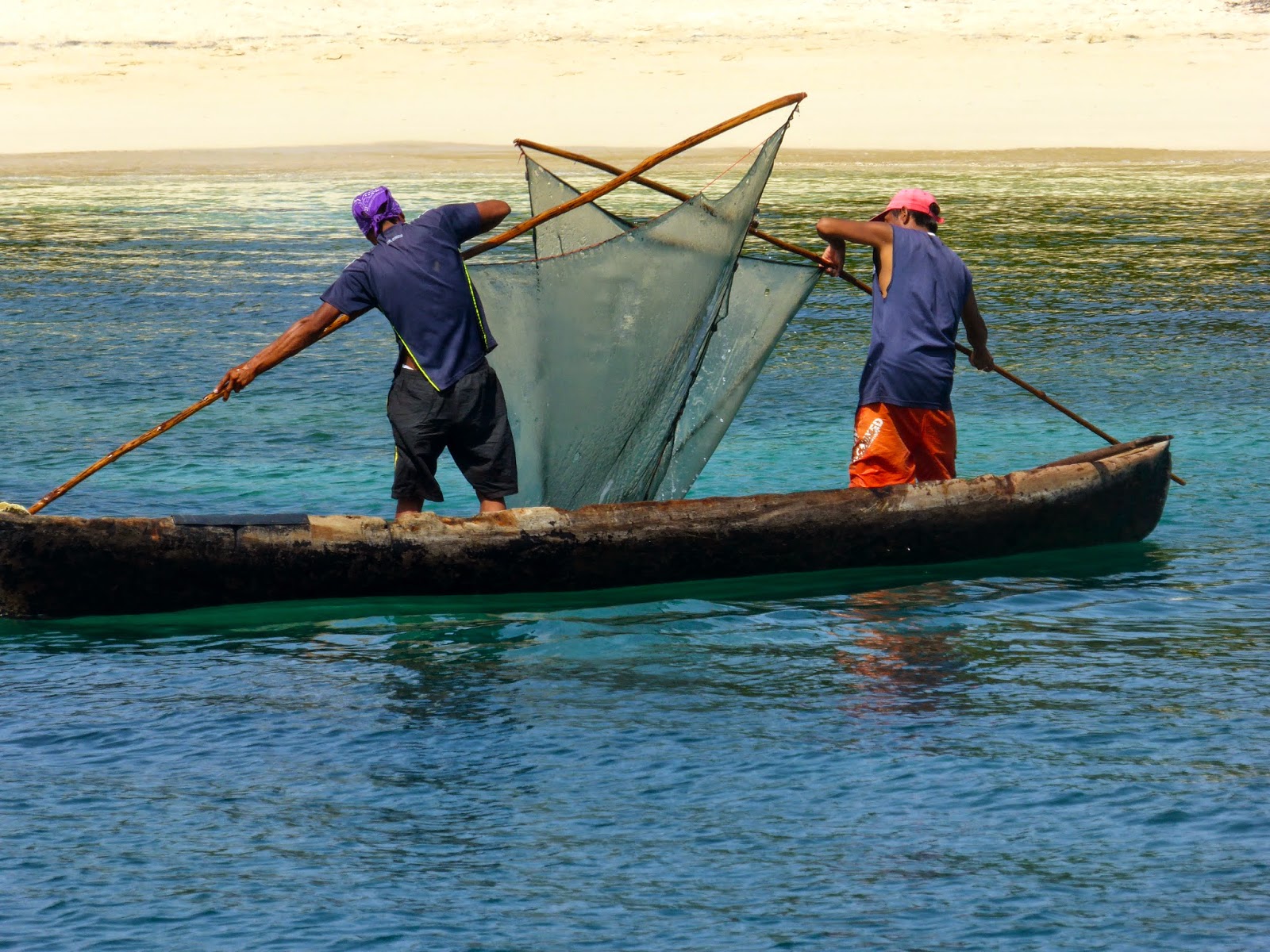
Anna Mae sits alone in this anchorage, it’s a beautiful area and from the sound of things not many boats are allowed to stay. We visited with a couple of fishermen that showed us their catch of the day. They dive down for conch, lobster and fish the various reefs. Most of them are from Isla San Andres. 
I’m happy to report a couple of additions to my collection, a mini conch and two puffy sand dollars. 

We are happily anchored in a little bay off Isla Andres. We hope to stay a few days and already talked with some locals that want to share a nice snorkel site with us tomorrow.
When my internet signal improves I will share some pictures.

Anna Mae and crew in The Cayos De Albuquerque

After a hectic day of trying to clear out of Panama, a taxi ride to Colon and paper shuffling, we set out late on the afternoon of the 16th for our 215NM run to a tiny little island owned by Columbia, Cayos De Albuquerque. 
The water was bumpier than we anticipated. Leaving Shelter Bay, passing through the breakwater into The Caribbean and leaving The Panama Canal behind, the winds bounced around us blowing 25 knots. The wave heights hit up to 9’ averaging around 7’ at 8 seconds, Anna Mae performed flawlessly. 
The captain maintained a positive attitude, his first mate was not much help through the night. I’m glad to have Tom and Susanne on board. Early the next morning I managed to take a few shifts, I am experimenting with motion sickness medication, enough said…
By late afternoon of the 17th we could see our destination in the distance. A large reef surrounds the two islands of Cayos De Albuquerque with a tricky entrance of many shallow areas. One of the Islands is a Columbian military base and the other a small fishing camp. Our VHF radio sounded as we approached. A not so happy Spanish voice expressed in unfriendly terms that we were not welcome, although our Columbian Zarpe and crew list showed that we could drop our anchor in Columbian waters.
Bill and I had our eyes on the charts trying to decide which mapping program was the most accurate,  Nobeltec, Coastal Explorer or Navionics on my IPad. Tom and Susanne gave us hand signals from the bow. Watching the depth sounder made all of us very tense. Continually conversing with the Spanish voice on the VHF that we needed to anchor before the sun set. Attempting to maneuver out of the coral reef in the dark was not an option.
Eventually we found a spot to anchor and repeating No hablo Espanol Senor the gruff Spanish military voice relented and reluctantly allowed us to stay and we settled in for the night. 
We woke the next morning to blue skies, and a visit to The Columbian Military Base on the island. As we approached a very young man with a machine gun approached and escorted us through sandy walkways shaded with palm trees and lined with conch shells. I wanted to scoop up as many as I could, but was afraid that might be frowned upon by our Columbian friend with the machine gun, so I refrained. 
The military base is very primitive. The 20 or so soldiers on the island live in a small building with bunks stacked three high. None of them look to be older than 25 or 30. When they examined our passports, exit papers, Zarpe and crew list from Panama indicating our entry into Columbia they decided all was okay.  Several even smiled and attempted to joked with us. My Spanish isn’t great and Bill’s even worse. Bill was talking with them in his famous Spanglish dialect. They all laughed, I’m sure not with him but at him…
As we walked back to our dingy one of the soldiers knew I had my eye on the conch shells stacked in piles along the bank and lining the walkways. I wish I had a picture, but was told no photos permitted. One of the soldiers got a huge smile on his face and asked me to wait while he got something for me. I thought for sure I was going to add a big beautiful conch shell to my collection.(Cherie you would have been in shell heaven). Instead of the shiny shell I was anticipating he walked out from behind a palm with a live sea turtle and handed it to me. For the time being the shell was forgotten, I was instantly in love with the little turtle. 

Our new crew members.


My first thought was why do you have this little guy and please tell me you don’t eat them? They all laughed, indicated they they helped the turtles as they migrated to the island to lay their eggs. This little guy was about 5 years old. As I was holding him his front flippers slapped at my hands and he stretched his neck toward the water. 
Two of the soldiers asked to come aboard Anna Mae for a tour. The turtle was snuggled in my lap as we all made the short ride dingy ride out to Anna Mae. I petted the turtle behind his head and on his tummy, he was so soft.
After a quick tour of Anna Mae and a few pictures, we filled a bag with drinks and some food the soldiers could share with their buddies. We had a little ceremony when we set our turtle free, he swam away quickly with a smile on his face.
Today we snorkeled off the reefs surrounding the islands, the crystal clear water is beautiful with so many colorful fish and amazing sea life. We saw a large lion fish hanging out in a cave along with a multitude of colorful sea life. 
Anna Mae sits alone in this anchorage, it’s a beautiful area and from the sound of things not many boats are allowed to stay. We visited with a couple of fishermen that showed us their catch of the day. They dive down for conch, lobster and fish the various reefs. Most of them are from Isla San Andres. 
I’m happy to report a couple of additions to my collection, a mini conch and two puffy sand dollars. 

We are happily anchored in a little bay off Isla Andres. We hope to stay a few days and already talked with some locals that want to share a nice snorkel site with us tomorrow.
When my internet signal improves I will share some pictures.
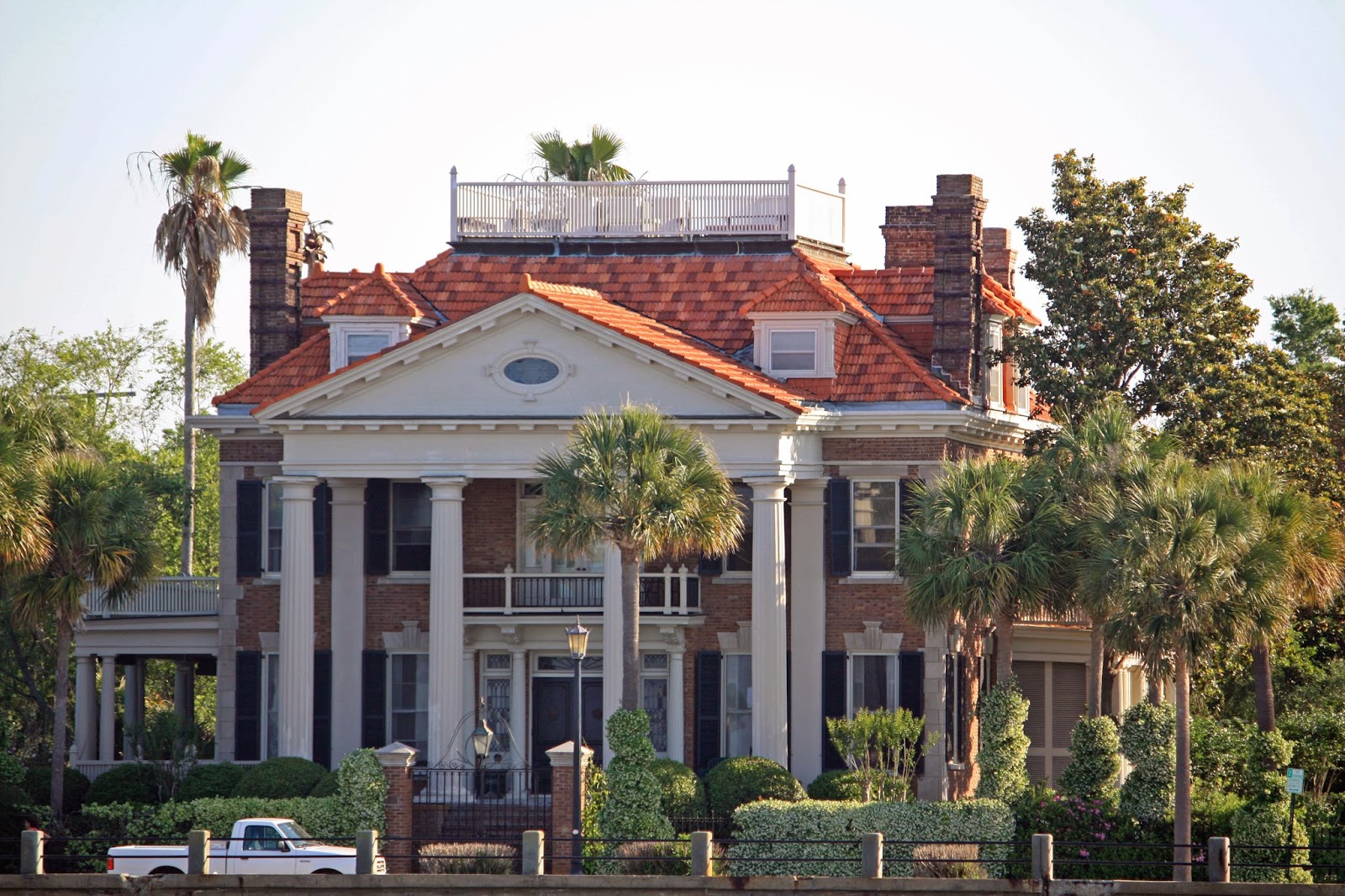
Charleston,South Carolina


Well, Emily Gracemay well have tried to make us linger in Charleston as she proceeded to let the overboard macerator pump fail on the passage from Georgia.  Since this little pump allows us to discharge waste when 3 miles offshore, it is mighty important and she may have succeeded. The captain, however, thwarted any such mutinous plan by having 2 spare pump impellers aboard.  Although that fixed the problem, the captain was also ready with another complete replacement pump!

 
In any event, we entered the Ashley River and found the private mooring ball that we had found and reserved using Active Captain on our Coastal Explorer navigation software.  Unfortunately the owner had left a decrepit dingy tied to it using copious amounts of rope.  Despite valiant efforts by Captain and crew, we couldn’t get the tangled line free with our boat hook and ended up with the dingy painter wrapped around the underwater stabilizer fin.  A local boater came over and with his help and the swift 2 knot current, we managed to break free unharmed and get temporarily re-attached to the mooring/dingy mess.  The owner of the mooring was then called and he borrowed my knife to cut off the tangled mess he had left us and we were then properly attached to the mooring ball.  It all worked out well, since we paid him $15 per night for a $20 per night mooring.  He got a $45 windfall for our 3-night stay and we got a good deal.

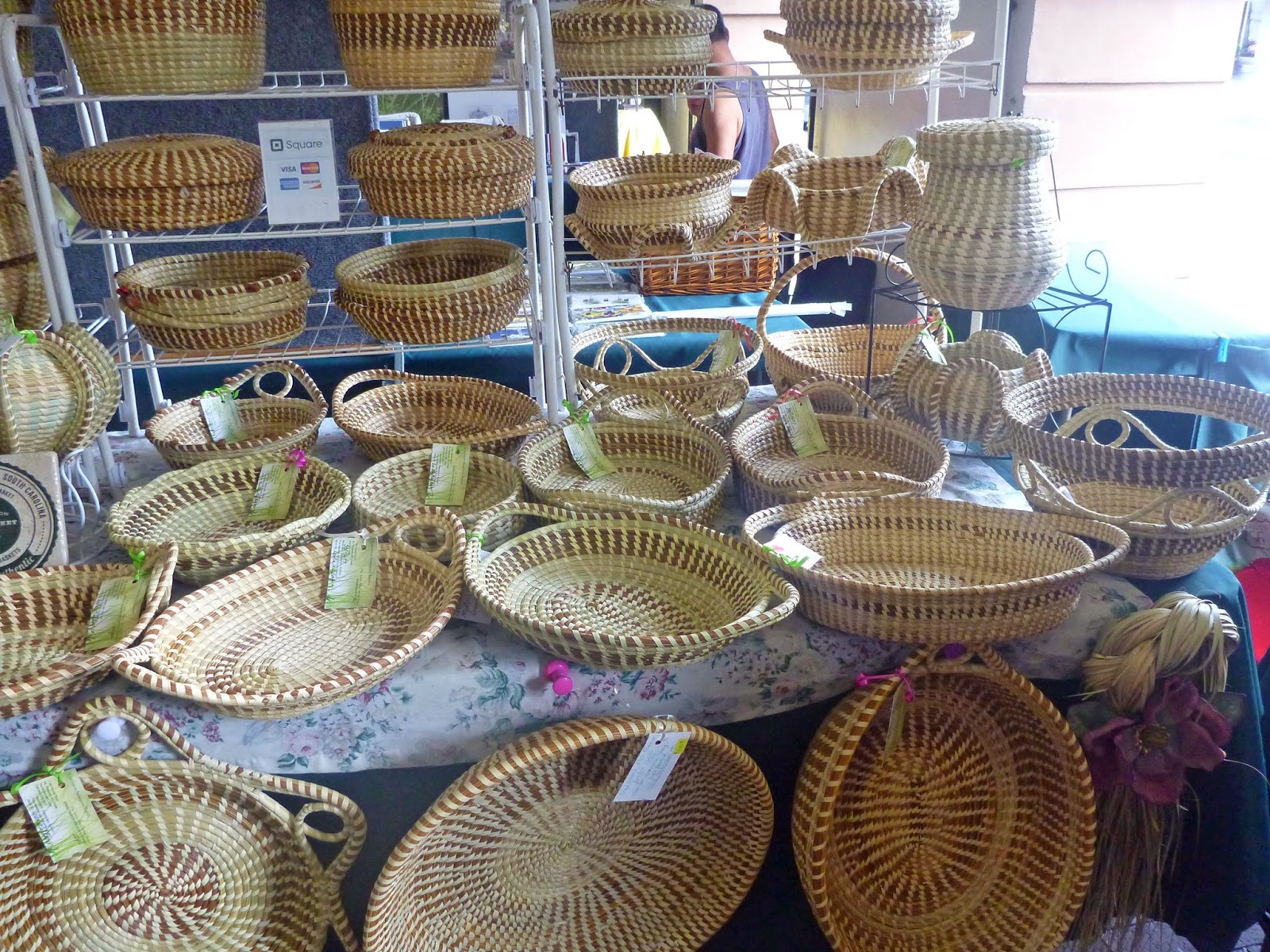
After foiling the mutiny and surviving the attack mooring ball, the crew deservedly went ashore to explore Charleston.  We found the gracious waterfront mansions and well-made but overpriced sweetgrass baskets were still as we left them back in our 2008 visit.  We revisited the oldest museum in America, the old slave market and the historic Nathaniel Russell house.
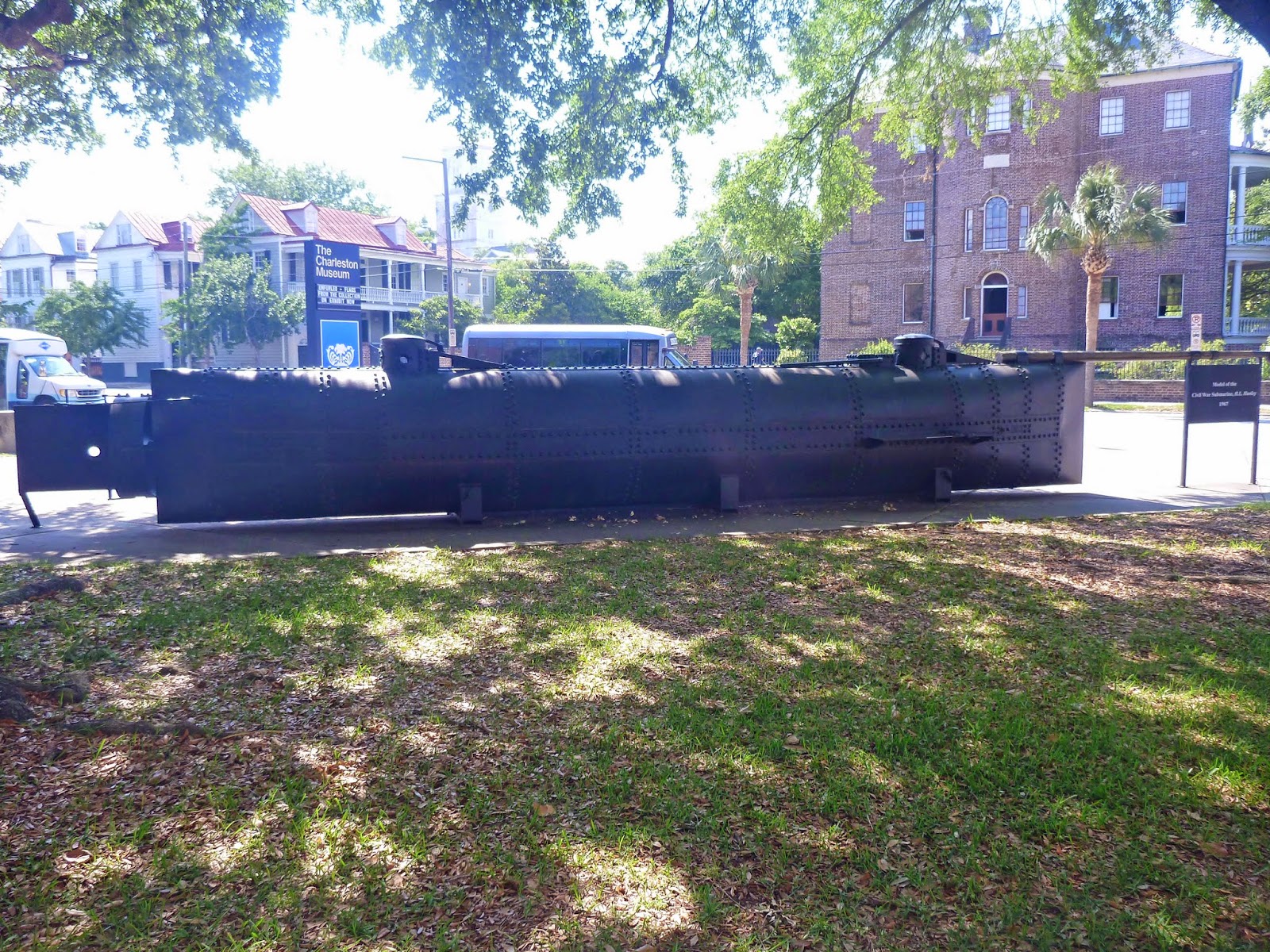
America’s oldest museum happens to be The Charleston Museum right here in South Carolina. It opened in 1773, and from the beginning, displayed geological specimens from its surrounding areas.  Outside there is a replica of the American Civil War H. L. Hunley submarine of the Confederate States of America. Drawing from my vast experience working at the Groton submarine factory (Ha Ha), I explained to Emily that the Hunley demonstrated the advantages and the dangers of undersea warfare. She was the first combat submarine to sink a warship, although Hunley was not completely submerged and, following her successful attack, was lost along with her crew before she could return to her base.  Apparently, the bowsprit containing the explosive charge was not quite long enough!
 
The exhibits inside run the gamut from textile and clothing to silver to lowcountry life, rise of the South, Revolutionary War, Civil War, natural history, and the most impressive arsenal of weaponry I’ve ever seen. If we only had one of these multibarrel rifles aboard, maybe we could have gone through the Somalia pirate waters!
 
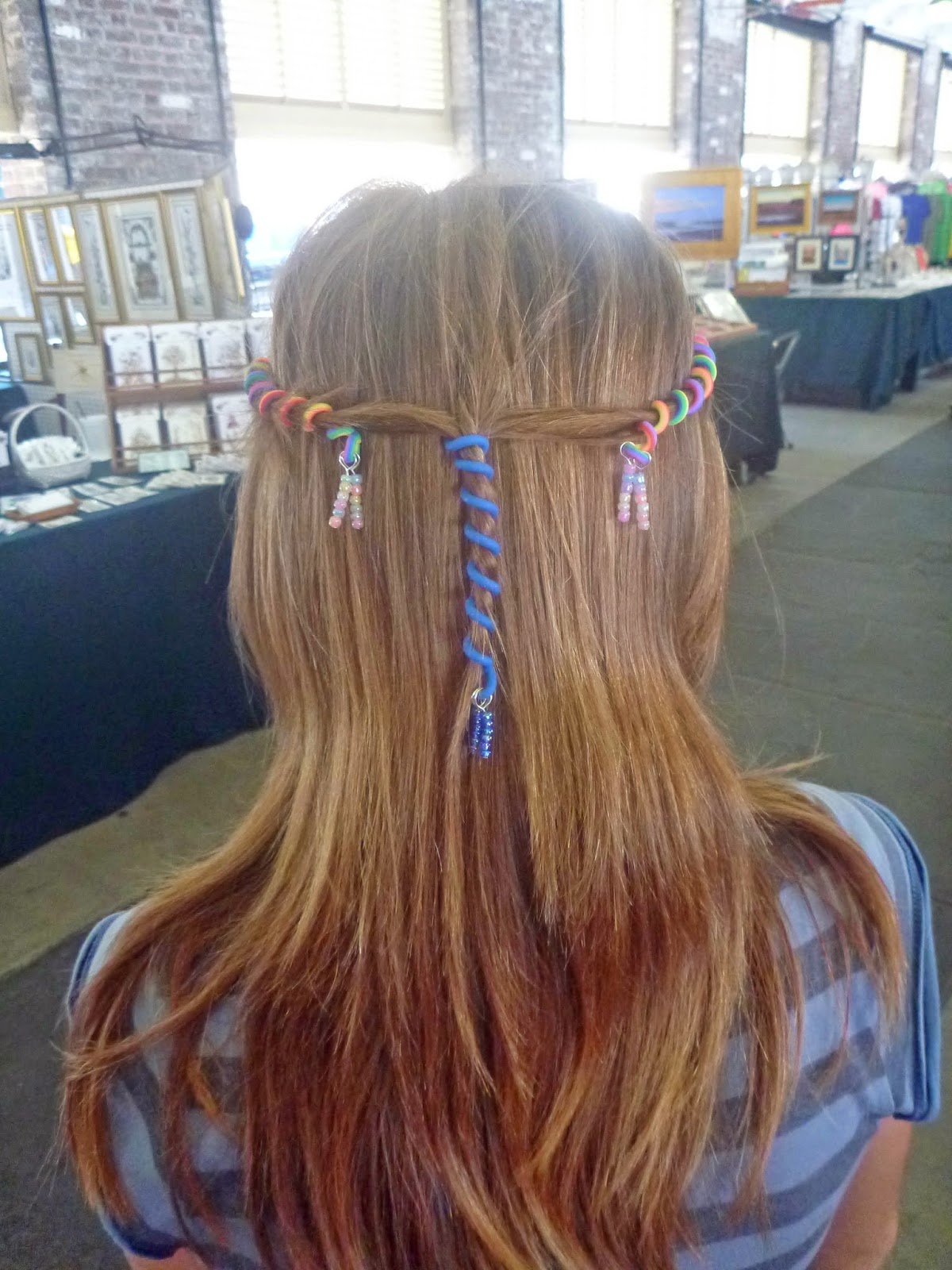
The slave markets only redeeming quality is the ability to see the nicely made sweetgrass baskets.  Since we found and bought these same baskets in Dominica for less than 1/10th of the selling price here, we simply looked and complemented the ladies on their work.  Among the cheap trinkets being hawked here, Emily found some cool resin hair thingy’s she hopes will be OK with the school girls in Ludlow, Mass.
 
Located in Downtown Charleston near High Battery, the Nathaniel Russell House Museum at 51 Meeting Street, is widely recognized as one of America’s most important neoclassical dwellings and was worth the stop. The Historic Charleston Foundation purchased the National Historic Landmark in 1955, and the house served as the Foundation’s headquarters for 37 years. Today, the interiors are restored to their original 1808 grandeur and surrounded by formal gardens.

Nathaniel Russell was born in Bristol, Rhode Island. He settled in Charleston at the age of 27 in 1765, when Charleston was a bustling seaport. By 1774, Charleston boasted a per capita of wealth nearly four times that of all the American colonies. Russell’s career as a merchant involved the shipment of cargoes to and from New England, the West Indies, South America, Virginia, Great Britain, continental Europe, West Africa and Asia.

While most of his profits came from the exportation of staples, such as Carolina Gold rice, indigo, tobacco and cotton, Russell handled a broad range of imported goods. He also participated in the African slave trade both before and after the American Revolution.

The Nathaniel Russell House is an excellent example of the Adam style of architecture. Russell’s house was built when local carpenters had a decade of experience with the light and airy manner made popular by Robert Adam. His house has been called an exercise in ellipses, for from its free-flying stair to the wrought iron balconies, to the principal windows and doors, we found it to be extraordinary. It was the last great house of the city’s post-revolutionary period. Built in 1809, the house was listed in the National Register in 1971 and Designated a National Historic Landmark in 1973.

We also stepped into the Cathedral of St. John the Baptist. The Cathedral seats 720 people and is noted for its Franz Mayer & Co. stained glass, hand painted Stations of the Cross, and neo-gothic architecture. The cornerstone was laid in 1890, and the church opened in 1907.

The sides of the Sanctuary are adorned with windows depicting the 4 Gospel writers with their winged creatures. Above the High Altar is the Chancel window. The top section is a rose window depicting St. John the Baptist baptizing Jesus with the Holy Spirit above. It is surrounded by 8 adoring angels playing instruments. Above the Rose window is a Sacred Heart. To the left of the Rose window is a pelican feeding her three newborn pelicans, and to the right is the Lamb of God. Below all of this is a 5-light replica of Da Vinci’s Last Supper.
In general, Charleston was a nice stop.  They need some free dingy docks and the shuttle busses (although free) were really overcrowded; but those are minor complaints.  After 2 tiring days of sightseeing, Tom started to plot the trip up the ditch towards North Carolina.  When we compared 3 long days of hand steering and bridge openings, we again decided to head for the ocean since we could do the same trip easily overnight.  Come along as our next stop will be in Carolina Beach, North Carolina.

Tom

Charleston,South Carolina

Normal
0

false
false
false

EN-US
X-NONE
X-NONE

/* Style Definitions */
table.MsoNormalTable
{mso-style-name:”Table Normal”;
mso-tstyle-rowband-size:0;
mso-tstyle-colband-size:0;
mso-style-noshow:yes;
mso-style-priority:99;
mso-style-parent:””;
mso-padding-alt:0in 5.4pt 0in 5.4pt;
mso-para-margin-top:auto;
mso-para-margin-right:0in;
mso-para-margin-bottom:auto;
mso-para-margin-left:0in;
mso-pagination:widow-orphan;
font-size:11.0pt;
font-family:”Comic Sans MS”;}

Normal
0

false
false
false

EN-US
X-NONE
X-NONE

/* Style Definitions */
table.MsoNormalTable
{mso-style-name:”Table Normal”;
mso-tstyle-rowband-size:0;
mso-tstyle-colband-size:0;
mso-style-noshow:yes;
mso-style-priority:99;
mso-style-parent:””;
mso-padding-alt:0in 5.4pt 0in 5.4pt;
mso-para-margin-top:auto;
mso-para-margin-right:0in;
mso-para-margin-bottom:auto;
mso-para-margin-left:0in;
mso-pagination:widow-orphan;
font-size:11.0pt;
font-family:”Comic Sans MS”;}

Well, Emily Grace
may well have tried to make us linger in Charleston as she proceeded to let the
overboard macerator pump fail on the passage from Georgia.  Since this little pump allows us to discharge
waste when 3 miles offshore, it is mighty important and she may have succeeded.
The captain, however, thwarted any such mutinous plan by having 2 spare pump
impellers aboard.  Although that fixed
the problem, the captain was also ready with another complete replacement pump!

 
In any event, we entered the Ashley River and found the
private mooring ball that we had found and reserved using Active Captain on our
Coastal Explorer navigation software. 
Unfortunately the owner had left a decrepit dingy tied to it using
copious amounts of rope.  Despite valiant
efforts by Captain and crew, we couldn’t get the tangled line free with our
boat hook and ended up with the dingy painter wrapped around the underwater
stabilizer fin.  A local boater came over
and with his help and the swift 2 knot current, we managed to break free
unharmed and get temporarily re-attached to the mooring/dingy mess.  The owner of the mooring was then called and
he borrowed my knife to cut off the tangled mess he had left us and we were then
properly attached to the mooring ball. 
It all worked out well, since we paid him $15 per night for a $20 per
night mooring.  He got a $45 windfall for
our 3-night stay and we got a good deal.

After foiling the mutiny and surviving the attack mooring
ball, the crew deservedly went ashore to explore Charleston.  We found the gracious waterfront mansions and
well-made but overpriced sweetgrass baskets were still as we left them back in
our 2008 visit.  We revisited the oldest
museum in America, the old slave market and the historic Nathaniel Russell
house.
America’s oldest museum happens to be The Charleston Museum right
here in South Carolina. It opened in 1773, and from the beginning, displayed
geological specimens from its surrounding areas.  Outside there is a replica of the American
Civil War H. L. Hunley submarine of the Confederate States of America. Drawing
from my vast experience working at the Groton submarine factory (Ha Ha), I explained
to Emily that the Hunley demonstrated the advantages and the dangers of
undersea warfare. She was the first combat submarine to sink a warship,
although Hunley was not completely submerged and, following her successful
attack, was lost along with her crew before she could return to her base.  Apparently, the bowsprit containing the explosive charge was not quite long enough!
 
The exhibits inside run the gamut from textile and clothing
to silver to lowcountry life, rise of the South, Revolutionary War, Civil War,
natural history, and the most impressive arsenal of weaponry I’ve ever seen. If
we only had one of these multibarrel rifles aboard, maybe we could have gone
through the Somalia pirate waters!
 
The slave markets only redeeming quality is the ability to
see the nicely made sweetgrass baskets.  Since
we found and bought these same baskets in Dominica for less than 1/10th of the
selling price here, we simply looked and complemented the ladies on their work.  Among the cheap trinkets being hawked here,
Emily found some cool resin hair thingy’s she hopes will be OK with the school girls
in Ludlow, Mass.
 
Located in Downtown Charleston near High Battery, the
Nathaniel Russell House Museum at 51 Meeting Street, is widely recognized as one
of America’s most important neoclassical dwellings and was worth the stop. The Historic
Charleston Foundation purchased the National Historic Landmark in 1955, and the
house served as the Foundation’s headquarters for 37 years. Today, the
interiors are restored to their original 1808 grandeur and surrounded by formal
gardens.

Nathaniel Russell was born in Bristol, Rhode
Island. He settled in Charleston at the age of 27 in 1765, when Charleston was
a bustling seaport. By 1774, Charleston boasted a per capita of wealth nearly
four times that of all the American colonies. Russell’s career as a merchant
involved the shipment of cargoes to and from New England, the West Indies,
South America, Virginia, Great Britain, continental Europe, West Africa and
Asia.


While most of his profits came from the
exportation of staples, such as Carolina Gold rice, indigo, tobacco and cotton,
Russell handled a broad range of imported goods. He also participated in the
African slave trade both before and after the American Revolution.


The Nathaniel Russell House is an excellent
example of the Adam style of architecture. Russell’s house was built when local
carpenters had a decade of experience with the light and airy manner made
popular by Robert Adam. His house has been called an exercise in ellipses, for
from its free-flying stair to the wrought iron balconies, to the principal
windows and doors, we found it to be extraordinary. It was the last great house
of the city’s post-revolutionary period. Built in 1809, the house was listed in
the National Register in 1971 and Designated a National Historic Landmark in 1973.

We also stepped into the Cathedral of St. John
the Baptist. The Cathedral seats 720 people and is noted for its Franz Mayer
& Co. stained glass, hand painted Stations of the Cross, and neo-gothic
architecture. The cornerstone was laid in 1890, and the church opened in 1907.

The sides of the Sanctuary are adorned with
windows depicting the 4 Gospel writers with their winged creatures. Above the
High Altar is the Chancel window. The top section is a rose window depicting
St. John the Baptist baptizing Jesus with the Holy Spirit above. It is
surrounded by 8 adoring angels playing instruments. Above the Rose window is a Sacred
Heart. To the left of the Rose window is a pelican feeding her three newborn
pelicans, and to the right is the Lamb of God. Below all of this is a 5-light
replica of Da Vinci’s Last Supper.

In general, Charleston was a nice stop.  They need some free dingy docks and the shuttle
busses (although free) were really overcrowded; but those are minor
complaints.  After 2 tiring days of sightseeing,
Tom started to plot the trip up the ditch towards North Carolina.  When we compared 3 long days of hand steering
and bridge openings, we again decided to head for the ocean since we could do
the same trip easily overnight.  Come
along as our next stop will be in Carolina Beach, North Carolina.


Tom

Normal
0

false
false
false

EN-US
X-NONE
X-NONE

/* Style Definitions */
table.MsoNormalTable
{mso-style-name:”Table Normal”;
mso-tstyle-rowband-size:0;
mso-tstyle-colband-size:0;
mso-style-noshow:yes;
mso-style-priority:99;
mso-style-parent:””;
mso-padding-alt:0in 5.4pt 0in 5.4pt;
mso-para-margin-top:auto;
mso-para-margin-right:0in;
mso-para-margin-bottom:auto;
mso-para-margin-left:0in;
mso-pagination:widow-orphan;
font-size:11.0pt;
font-family:”Comic Sans MS”;}

An alarm sounded which always gets my attention…

The damaged culprit As we passed through the final lock in our transit through The Panama Canal a nasty and shrill alarm sounded. The hydraulic alarm was complaining that it was showing a low fluid level in the hydraulic tank.Maneuvering through t…

An alarm sounded which always gets my attention…

The damaged culprit 

As we passed through the final lock in our transit through The Panama Canal a nasty and shrill alarm sounded. The hydraulic alarm was complaining that it was showing a low fluid level in the hydraulic tank.

Mane…

Florida to Georgia

Normal
0

false
false
false

EN-US
X-NONE
X-NONE

/* Style Definitions */
table.MsoNormalTable
{mso-style-name:”Table Normal”;
mso-tstyle-rowband-size:0;
mso-tstyle-colband-size:0;
mso-style-noshow:yes;
mso-style-priority:99;
mso-style-parent:””;
mso-padding-alt:0in 5.4pt 0in 5.4pt;
mso-para-margin-top:auto;
mso-para-margin-right:0in;
mso-para-margin-bottom:auto;
mso-para-margin-left:0in;
mso-pagination:widow-orphan;
font-size:11.0pt;
font-family:”Calibri”,”sans-serif”;
mso-ascii-font-family:Calibri;
mso-ascii-theme-font:minor-latin;
mso-hansi-font-family:Calibri;
mso-hansi-theme-font:minor-latin;}

We grabbed a $20
per night mooring from the St. Augustine Municipal Marina and enjoyed their
nice dingy dock and WiFi from the boat. 
The town was picturesque but we decided to head straight for Ripley’s Believe it or Not Museum.   It was a quirky collection of items
collected around the world by one man. 
We explained to Emily that as kids we would read about little bits and
pieces of this collection weekly in our local town newspaper.  We were delighted that he had items from the
many parts of the world that we had also seen, like Fiji, Vanuatu and Tahiti.
Some of the items like this enormous carving from solid ivory were
breathtaking.   


And many were simply
silly.

We toured the
Castillo San Marcos fort and enjoyed a guided tour from a knowledgeable
historian.  He gave detailed information
about the design and construction of the fort and explained that it was never
breached although attacked many times.

 
Another day we
enjoyed the Lightner museum and Flagler College.  We learned that Flagler made millions in
Railroads and built much of this town. 
The museum and college were once his hotels and he also built a
magnificent church in memory of his daughter who died shortly after childbirth.


After 3 nights in
St. Augustine, we motored up the ditch (intracoastal waterway) and anchored
right off a stately southern plantation. 


The Kingsley Plantation has now been taken over by the Park system so
the dock and a self-guided 2 hour tour (using an I-Phone) were all free. This
plantation was unique in that Kingsley (a white man) had bought a (black) slave
girl and made her his wife.  She was
ultimately freed by him but owned and ruled over several slaves herself in her
lifetime.  We enjoyed seeing the
plantation house, stables and kitchen and the slave houses that were arranged
in a village-like semi-circle.  This was
a lovely, peaceful stop with quiet starlit nights and dolphins surfacing all
around our home.

With the wind and
seas calm, we headed off shore for the trip north to St. Marys River.  We tucked in the mouth of the river and
turned north to enter Georgia and anchor off Cumberland Island.  This is also 90% national park land and free
to us cruisers. The island had several mansions built by the Carnegie family (founder
of US Steel) and the family horses were set free to roam here forever. 
 

We
joined in on a 1 hour guided tour by a ranger that had lived on this island for
31 years. Understandably, she was very knowledgeable
about the history and island wildlife. 
We saw the Dungeness Mansion that was burned down in the 1950s but
was still imposing.

 
We had time to walk to the Ocean side and enjoy the beach and the wildlife.


The wind and seas
were still light 2 days later and we decided to push out to sea for an
overnight passage to Charleston.  I am
writing this blog while offshore and out of sight of land.  The seas are silky smooth with barely a
ripple. Long period swells are rolling in from Africa and our home is slowly
rising and falling as if we are riding on the back of an enormous, breathing
creature.   

We plan to be on a mooring on the
Ashley river and in sight of the dock where we first saw Emily Grace and purchased her in 2006.  We have a symbiotic relationship, this little
ship and I.  I have mended her when she
was broken and she has sheltered us from storms and raging seas. I wonder, Dear
Reader, if Emily Grace will remember
her previous life or is now content in the life she shares with our small
family.
Tom

Florida to Georgia


We grabbed a $20 per night mooring from the St. Augustine Municipal Marina and enjoyed their nice dingy dock and WiFi from the boat.  The town was picturesque but we decided to head straight for Ripley’s Believe it or Not Museum.   It was a quirky collection of items collected around the world by one man.  We explained to Emily that as kids we would read about little bits and pieces of this collection weekly in our local town newspaper.  We were delighted that he had items from the many parts of the world that we had also seen, like Fiji, Vanuatu and Tahiti. Some of the items like this enormous carving from solid ivory were breathtaking.   


And many were simply silly.

We toured the Castillo San Marcos fort and enjoyed a guided tour from a knowledgeable historian.  He gave detailed information about the design and construction of the fort and explained that it was never breached although attacked many times.

 
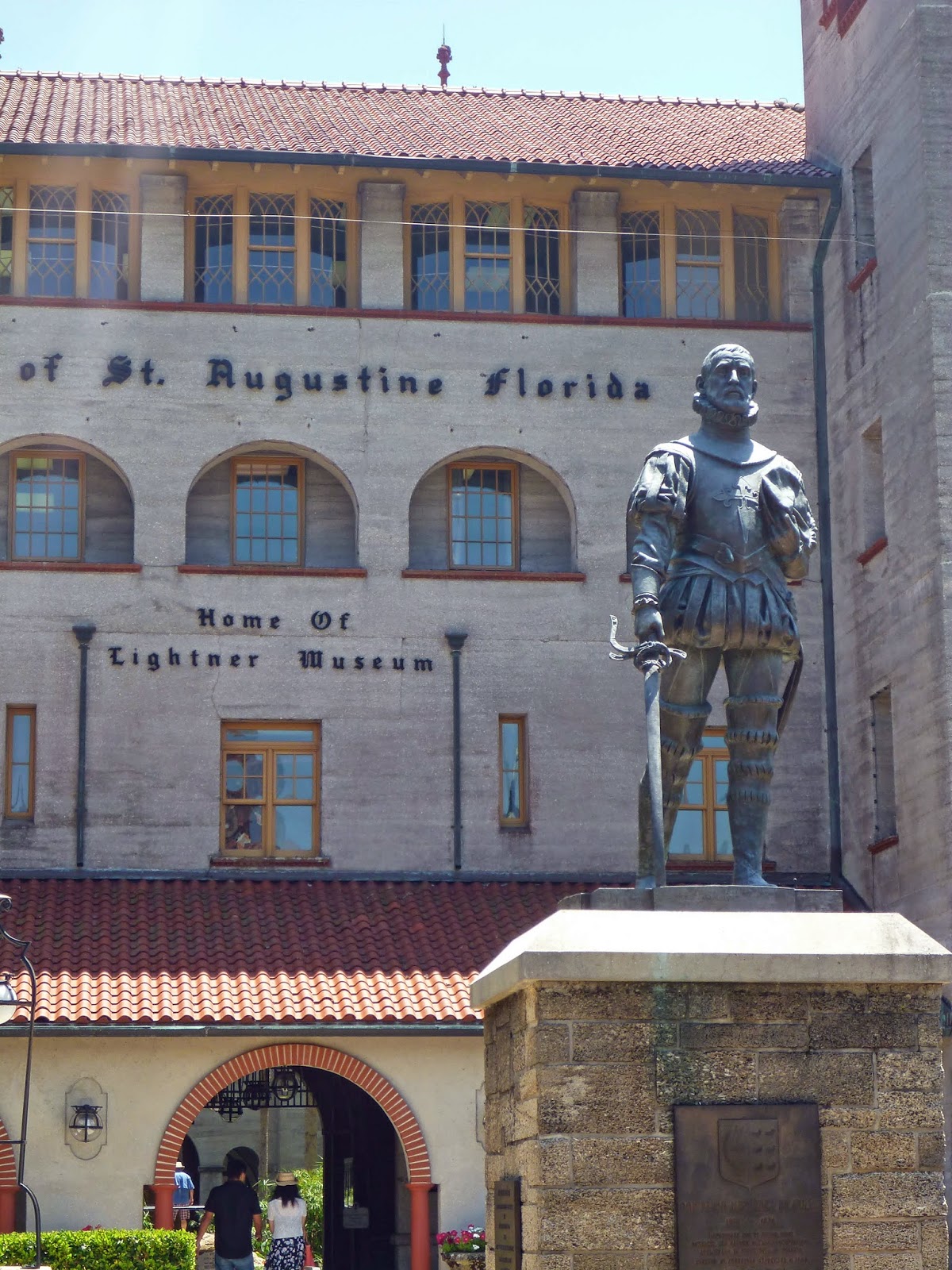
Another day we enjoyed the Lightner museum and Flagler College.  We learned that Flagler made millions in Railroads and built much of this town.  The museum and college were once his hotels and he also built a magnificent church in memory of his daughter who died shortly after childbirth.


After 3 nights in St. Augustine, we motored up the ditch (intracoastal waterway) and anchored right off a stately southern plantation.   


The Kingsley Plantation has now been taken over by the Park system so the dock and a self-guided 2 hour tour (using an I-Phone) were all free. This plantation was unique in that Kingsley (a white man) had bought a (black) slave girl and made her his wife.  She was ultimately freed by him but owned and ruled over several slaves herself in her lifetime.  We enjoyed seeing the plantation house, stables and kitchen and the slave houses that were arranged in a village-like semi-circle.  This was a lovely, peaceful stop with quiet starlit nights and dolphins surfacing all around our home.

With the wind and seas calm, we headed off shore for the trip north to St. Marys River.  We tucked in the mouth of the river and turned north to enter Georgia and anchor off Cumberland Island.  This is also 90% national park land and free to us cruisers. The island had several mansions built by the Carnegie family (founder of US Steel) and the family horses were set free to roam here forever. 


We joined in on a 1 hour guided tour by a ranger that had lived on this island for 31 years. Understandably, she was very knowledgeable about the history and island wildlife.  We saw the Dungeness Mansion that was burned down in the 1950s but was still imposing.

 
We had time to walk to the Ocean side and enjoy the beach and the wildlife.


The wind and seas were still light 2 days later and we decided to push out to sea for an overnight passage to Charleston.  I am writing this blog while offshore and out of sight of land.  The seas are silky smooth with barely a ripple. Long period swells are rolling in from Africa and our home is slowly rising and falling as if we are riding on the back of an enormous, breathing creature.   

We plan to be on a mooring on the Ashley river and in sight of the dock where we first saw Emily Grace and purchased her in 2006.  We have a symbiotic relationship, this little ship and I.  I have mended her when she was broken and she has sheltered us from storms and raging seas. I wonder, Dear Reader, if Emily Grace will remember her previous life or is now content in the life she shares with our small family.
Tom

Leaving Legacy

Now back at our home-port, comfortably tied up at The Bluffs Marina in Jupiter, I’ve finally found a few minutes to write a post.

The West Coast Of Florida Tour was a great success; from Marina Jack’s at Sarasota to Legacy Harbour in downtown Ft. Myers, and over to Longboat Cay Mooring, we’ve managed to make everybody’s life online a lot better.
The onSpot wifi guys did a great job.

All of our installs are challenging, but Legacy Harbour Marina was an especially difficult undertaking.
It took more than just mounting the smart gear and turning ’em on, we had to break some rules, technically going where others won’t go and doing what others don’t.
Most of the support and tips the Ruckus techs offered up didn’t work, we were on our own.
We say we build Better Marina WiFi Hotspots and we didn’t stop till that was true.

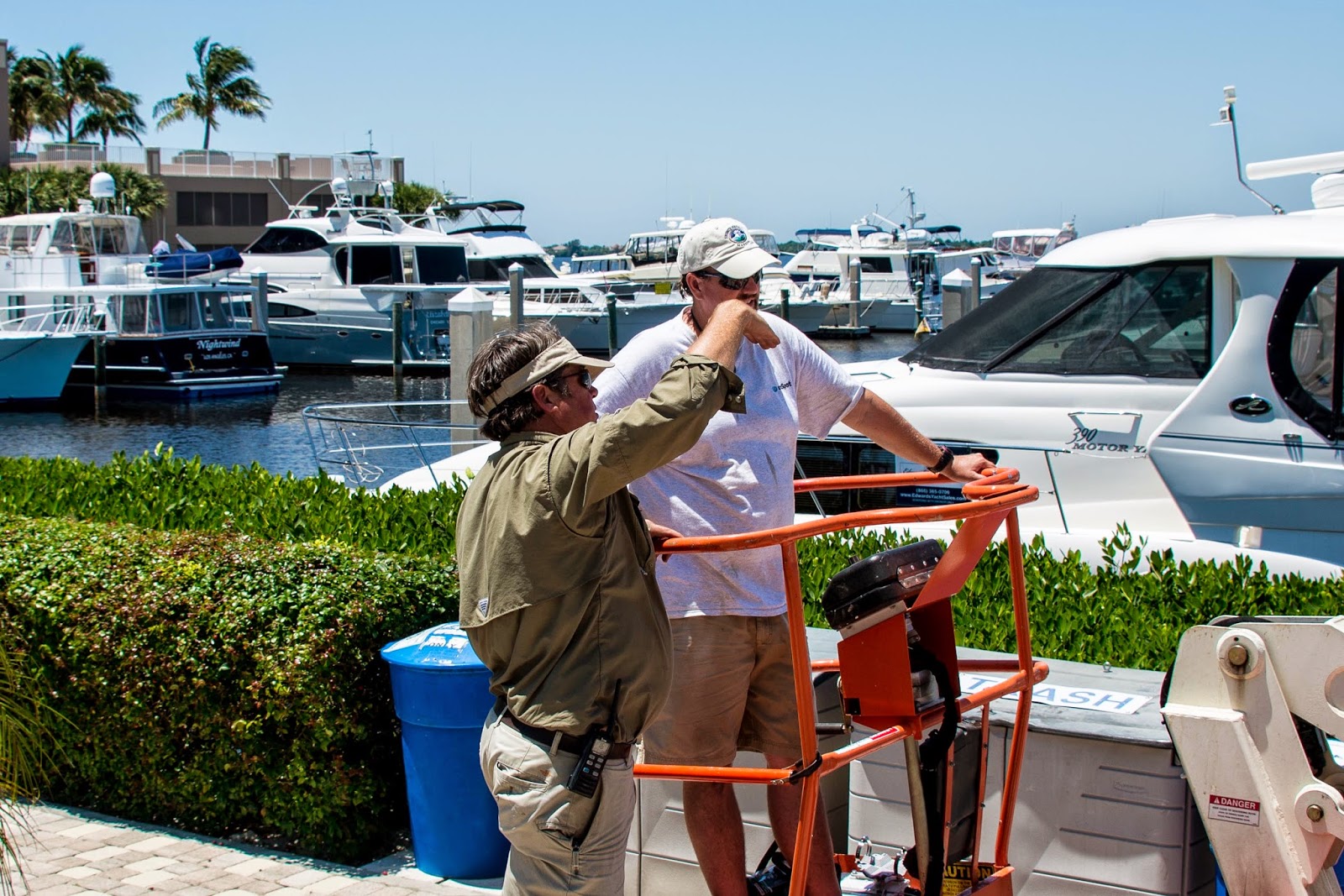
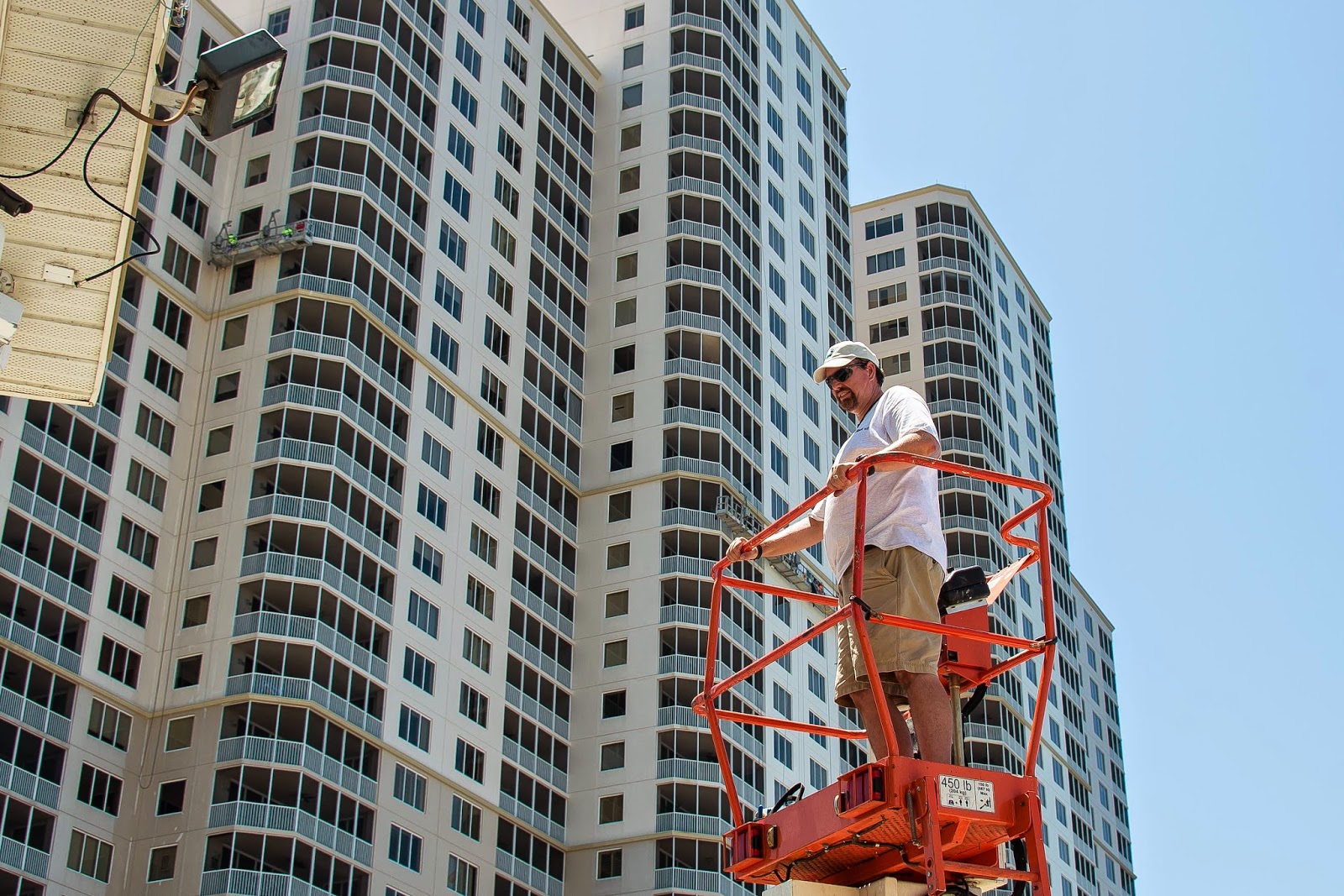
 Eric, Legacy’s Harbourmaster, offering tips to Will on operating the manlift.
Just putting the Access Point high atop the marina office was an obstacle. We had to utilize a lift to get it up there.

But the real problems were to come from these Hi-Rise Condo Towers adjacent to the marina.

The radio frequency interference blasting from these towers can render most WiFi hotspots useless.

After the installation was complete, we ran our first tests and were amazed at how quick the network was. Immediately we were seeing blazing speeds. We were cautiously pleased to find our worries about the towers were unfounded and our smart gear was truly outsmarting the RF noise.
The boaters at the marina were ecstatic.
So we tested till late that night then tested again early the next morning and found the same thing. Fast, real fast.

As usual, I stay around after the install to provide boater support and do onsite, real life, monitoring. It proved to be a good thing, two days later the network came to a creeping crawl. Something had broken.
The boaters weren’t happy anymore.

So we went to work on figuring out the problem and soon we found it.

Not only are the huge condo towers an RF nightmare, over on the other side of the marina is a large cell tower that is using the same 2.4Ghz frequency that we use. What we were experiencing was the radio frequency equivalent to the perfect storm.
Our very strong hotspot was causing disruption on the cell provider’s network so they turned up their signal, effectively blasting us out of the park with their more powerful equipment.

So back to the drawing board.

We can make most changes remotely via the net, but this was an extraordinary situation. So onSpot loaded up with test gear and a few spare parts and headed back to Legacy Harbour.

To make this tediously long story short, we fixed it. Not only did we have to step out of the proverbial box, we had to throw the box in the trash. Almost everything the Ruckus smart guys had us try didn’t work and almost all our past experience didn’t apply.
But, after a couple of days of, “what ifs and let’s see”, we fixed it.

Like all things worth doing, Legacy’s still a work in progress, but their network’s running fast and reliably — at the speeds we guarantee.

Constant Improvement.

As Mel and I left the marina, heading back to Jupiter, I left my web-cam on to record our departure and to see how far our network reached… all the way out to the entrance of the marina.
Perfect.

The proof’s in the pudding
Adios,
Istaboa
P.S. I know most of you tune in for stuff about cruising and boats and we’ll be headed to the islands pretty soon. Mixing business with pleasure, we’re building a new network at Staniel Cay, Exumas. They’ve been needing it for a long time.
Should be fun in many ways.
Nordhavn Exumas Abacos Bahamas trawler Caribbean Pickwick Boat dogs
Memphis Downtown

San Blas Island, Panama

0
false

18 pt
18 pt
0
0

false
false
false

/* Style Definitions */
table.MsoNormalTable
{mso-style-name:”Table Normal”;
mso-tstyle-rowband-size:0;
mso-tstyle-colband-size:0;
mso-style-noshow:yes;
mso-style-parent:””;
mso-padding-alt:0in 5.4pt 0in 5.4pt;
mso-para-margin:0in;
mso-para-margin-bottom:.0001pt;
mso-pagination:widow-orphan;
font-size:12.0pt;
font-family:”Times New Roman”;
mso-ascii-font-family:Cambria;
mso-ascii-theme-font:minor-latin;
mso-fareast-font-family:”Times New Roman”;
mso-fareast-theme-font:minor-fareast;
mso-hansi-font-family:Cambria;
mso-hansi-theme-font:minor-latin;}

The past few days we have spent
our time in The San Blas Islands, a large archipelago on Panama’s Caribbean
coast. The 340 islands are the home of The Kuna Indians. We have enjoyed the
untouched virgin rainforests and a cruising ground of incredible beauty.

Nester and his beautiful Kuna family
approached Anna Mae as we anchored out side of Isla Porvenir. We traded various
items and they invited us to visit their village.  They cooked us a delicious dinner of fish, rice and beans. 

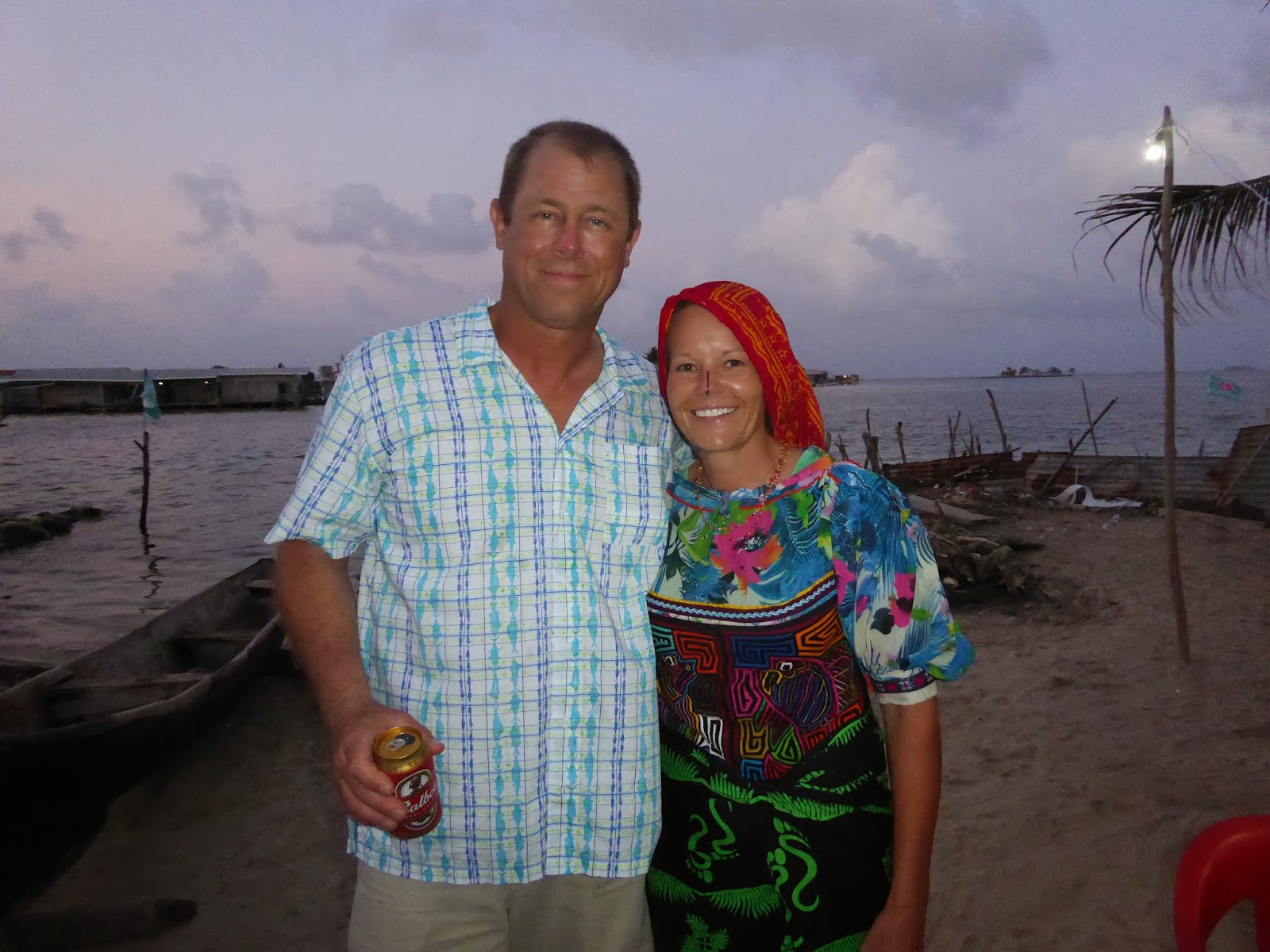
The Kuna women dressed us up in authentic Kuna clothing.  They painted a black line on our noses and  wrapped us up in their famous authentic mola stitched bodices.  


The Crew of Anna Mae and SpringDay with some of the Kuna children in the village we visited.

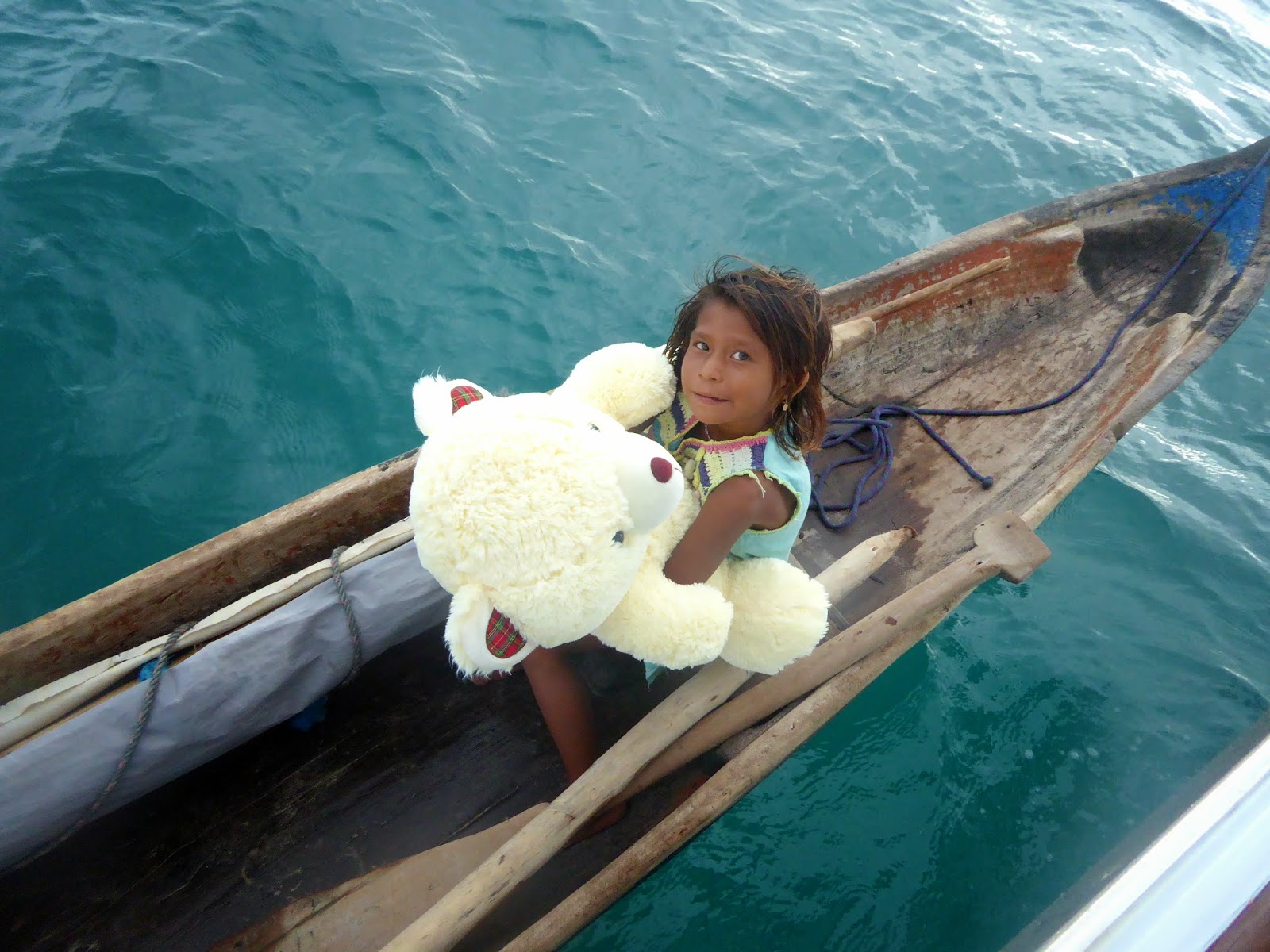
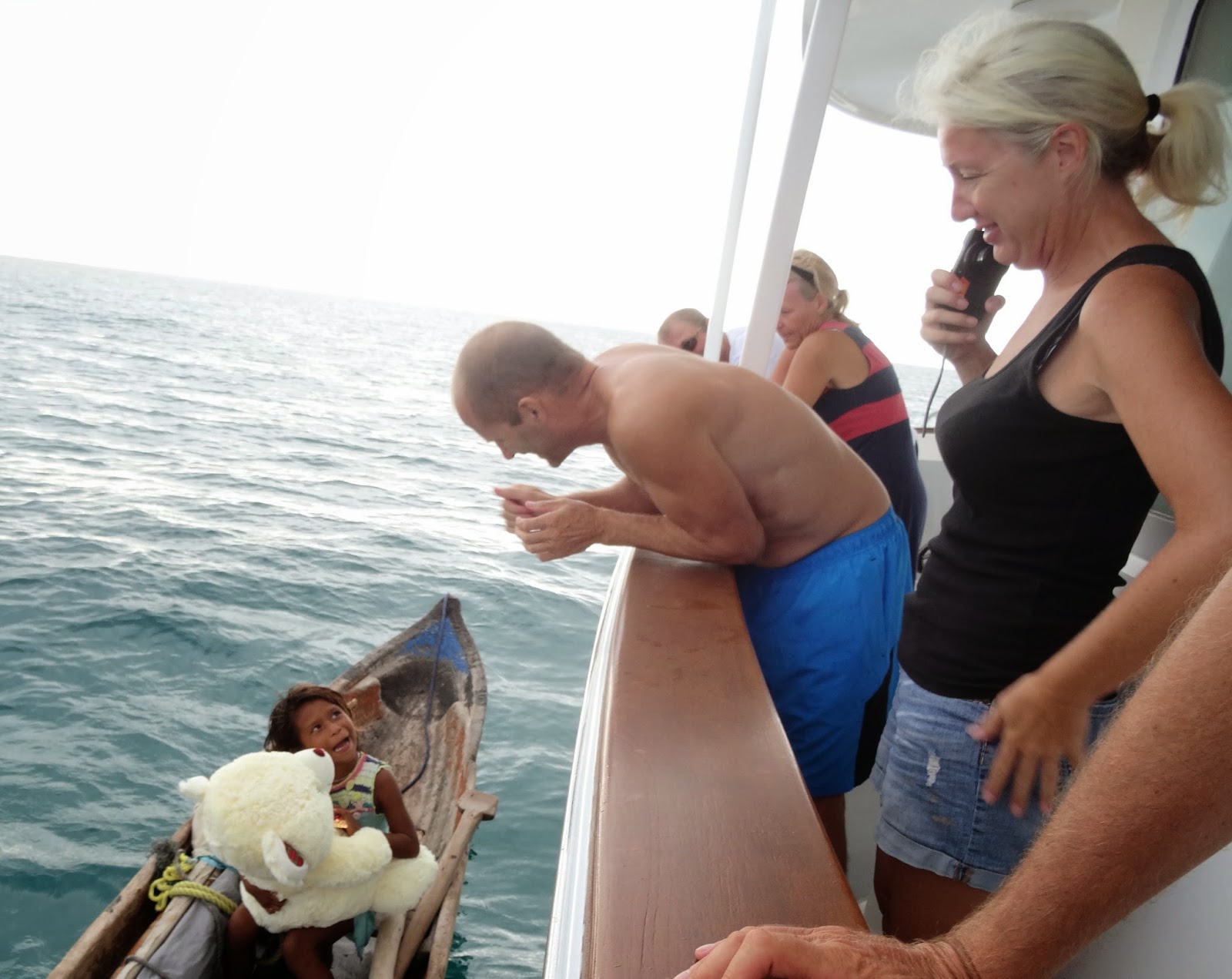
I found a new home for my Valentine Teddy.
Caroline a sweet little Kuna Indian girl fell in love with it and us with her.
She has so much personality and likes to repeat everything I say back to me in English. I couldn’t even begin to communicate with her in Kuna, but I tried and she giggled at me…

Bill and I with Caroline and her new teddy.


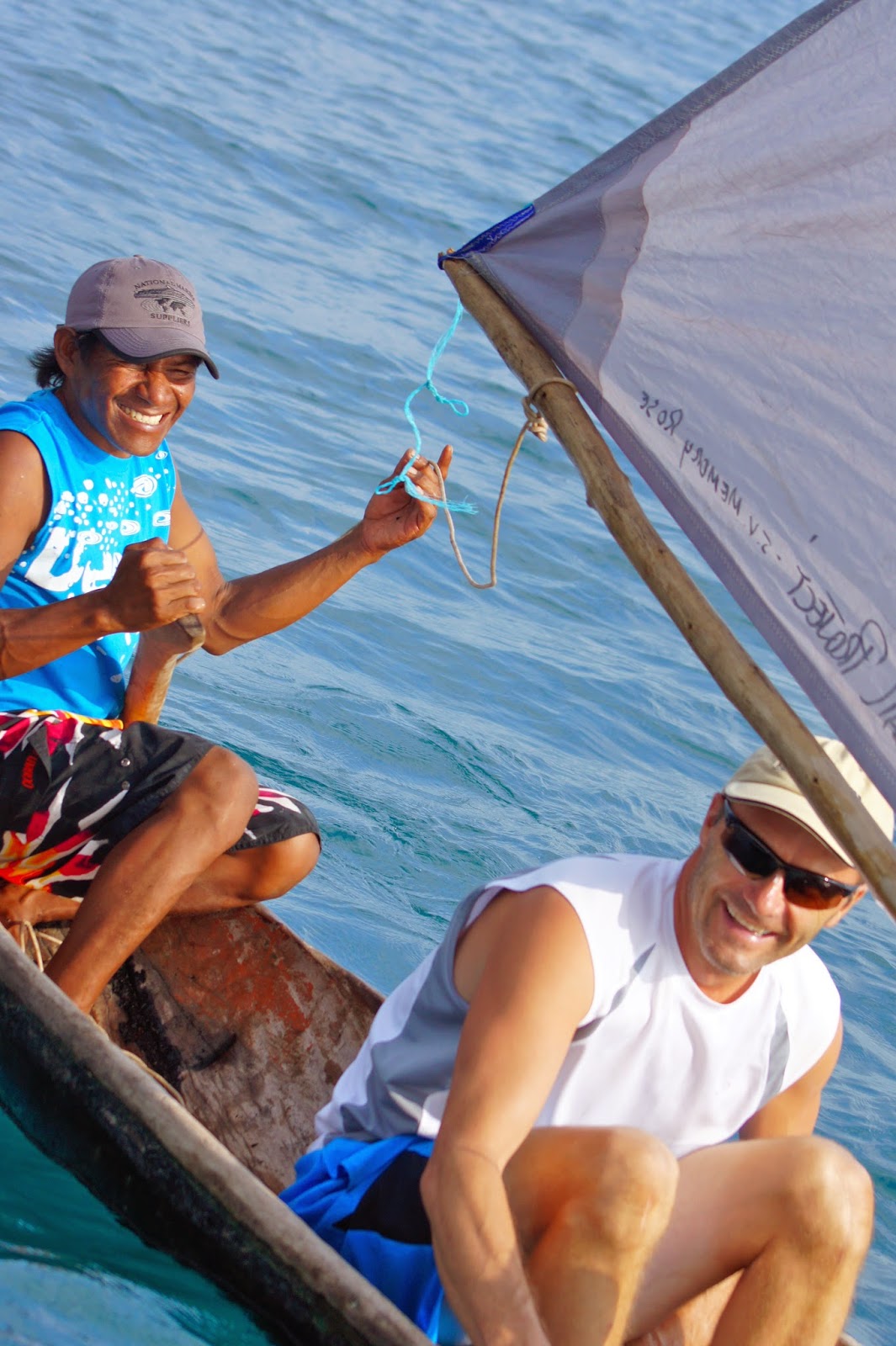
Nester gave Bill and Tom a sailing lesson. 
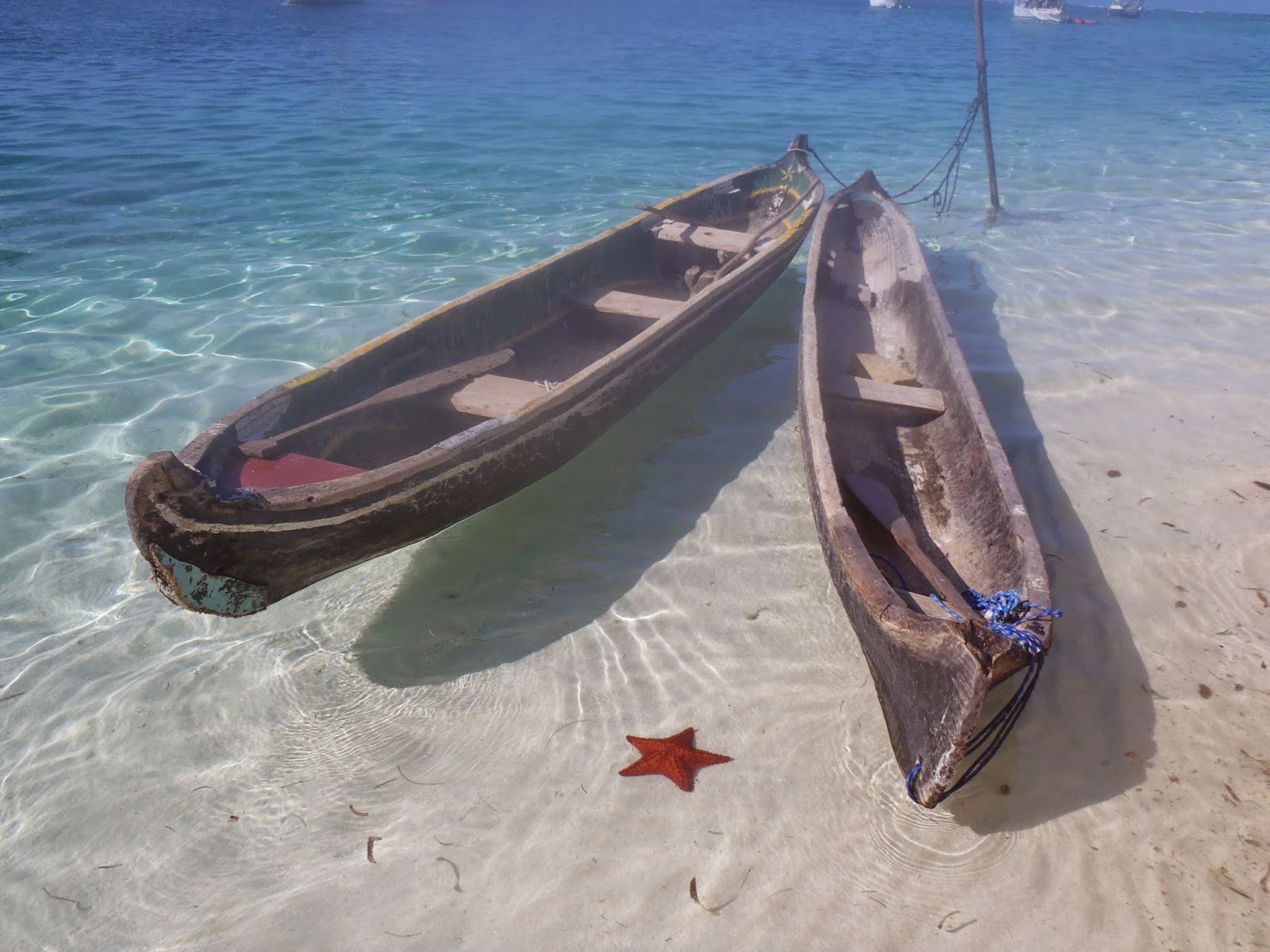
The one log canoe carved from Columbian timber is The Kuna’s favorite mode of transportation. Bill had a lot of respect for Nester’s ability to manuever his boat, with a paddle and sails.


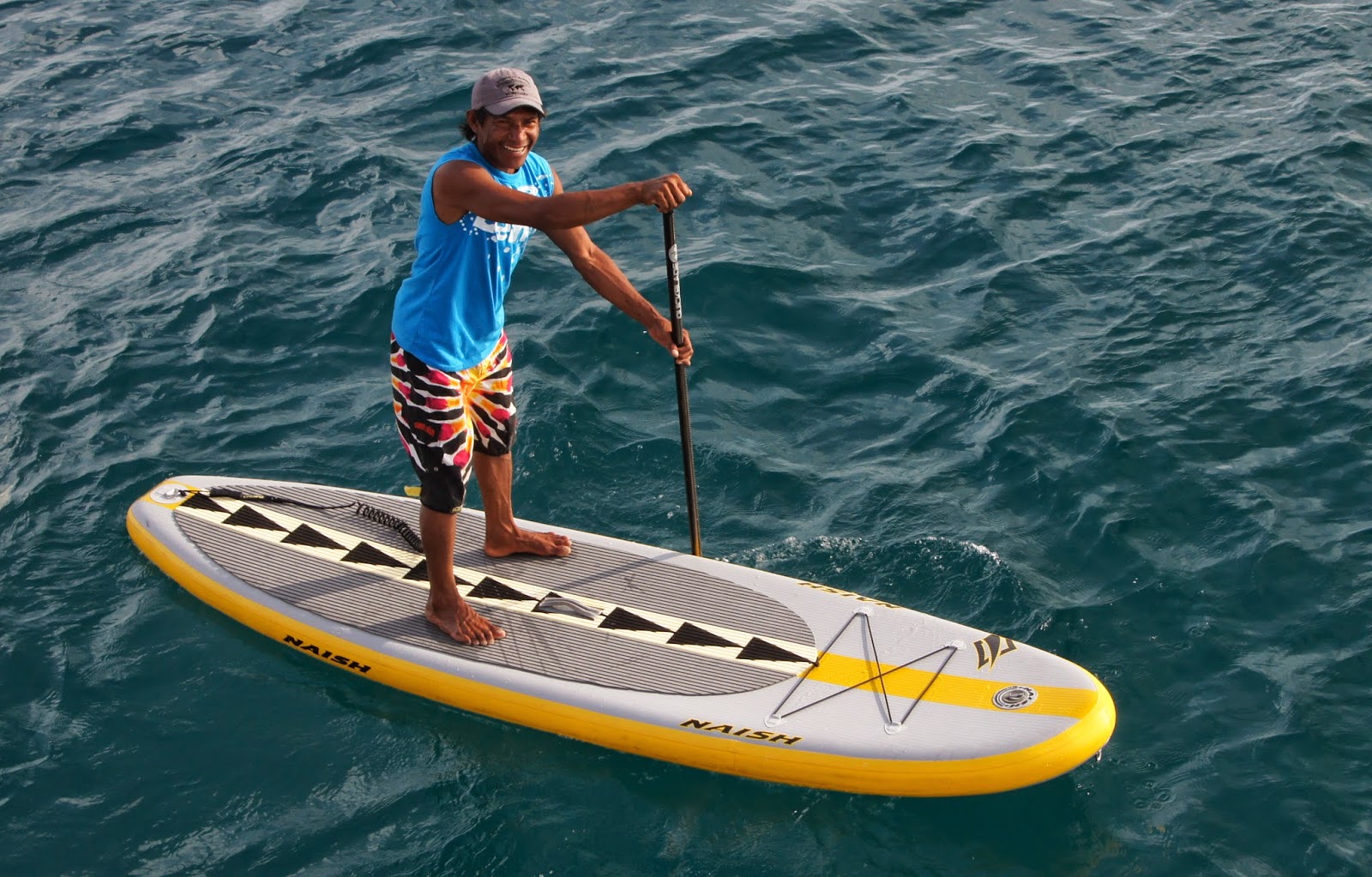
Nester managed to hop on our SUP and paddle around the boat on his first try. His balance is amazing after all the years of practice he has had on the water.

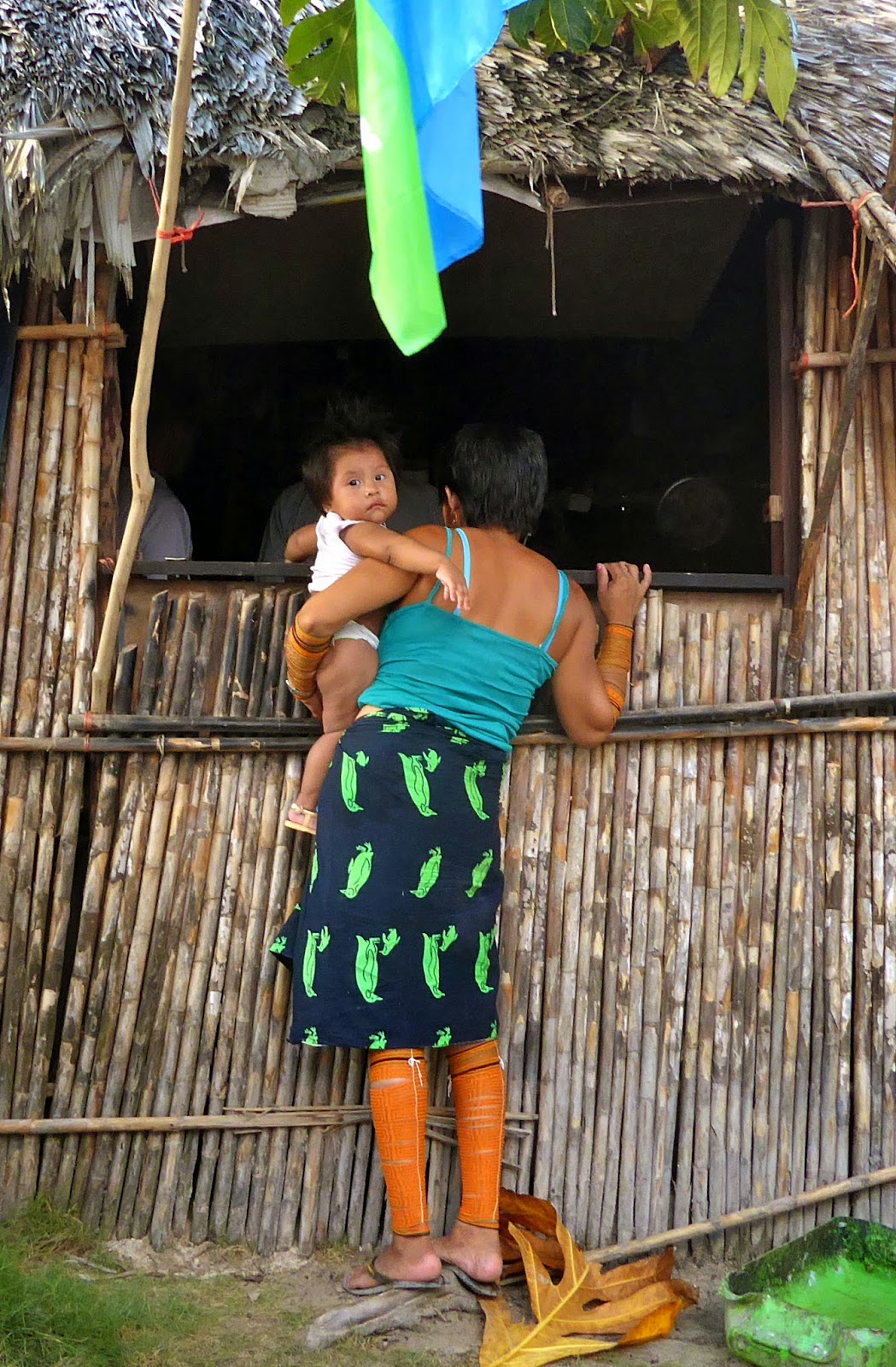
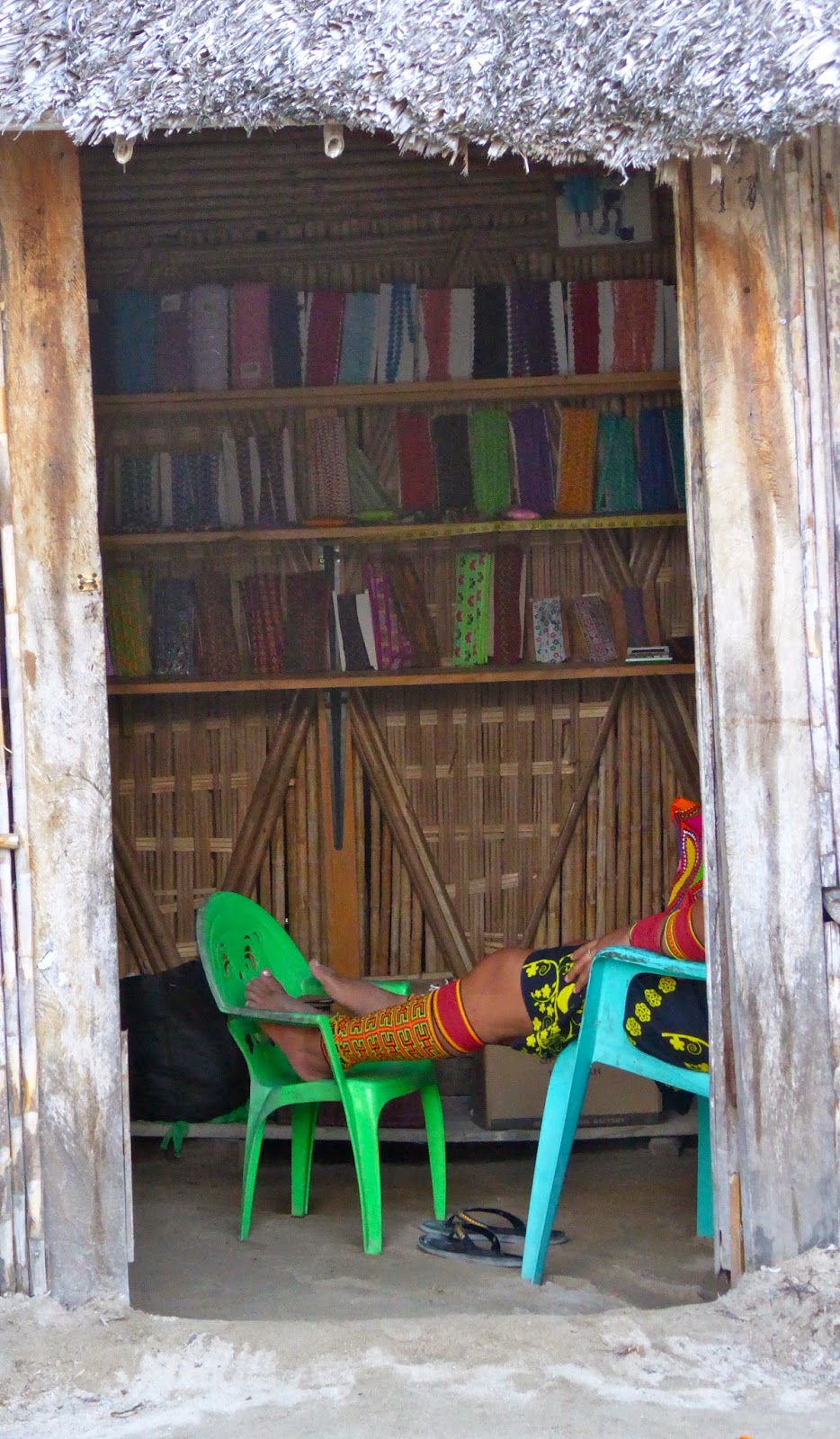
Taking a photo of a Kuna woman is not allowed, but I did manage to get a couple candid shots.


Bill played basketball on the makeshift court in the middle of the island, next to their school.

We anchored out on several of the islands. The water was clear and I added to a few new shells to my collection. Sand dollars, starfish and conch shells lay littering the coral and white sandy beaches of San Blas. We dove a shipwreck on one of the outlaying islands.

Fishing is a major source of income for The Kuna Indians.

Anna Mae and crew are settled into Shelter Bay to organize and plan the next leg of our journey up to North Carolina.