
After spending 10 days getting Idyll Time up and running for the season, it is time to push away from the docks. Working down our departure procedures, we double check each step. Being away for six months, we are a little rusty. As we ease out into Frederick Sound, we soon see the familiar Stellar […]
Tag Archives | trawler
Family Lake Vacation
“The memories we make with our family is everything.” –Candace Cameron Bure
With all the Covid virus restrictions it’s nice we have a beautiful area in our own backyard to vacation in. Our PA kids were on vacation, so they rented a house on the lake. The house was only a few miles up the lake from the marina and had a nice little dock for Tiny Pearl. Graham was excited to drive the boat to the house…Cora had a chance later in the week to drive the boat. They really enjoy our boats and we love having them here.
Essentials at Gigha
After 8 weeks at Gigha, and 63 days since we’d last provisioned, we’d consumed all our fresh fruit, were almost out of fresh vegetables and our deep stores were dwindling. So when Joe Teale at Ardminish Stores on Gigha contacted us to ask if we needed anything, we gratefully accepted his offer. Duncan and the…
Thundershirt Results
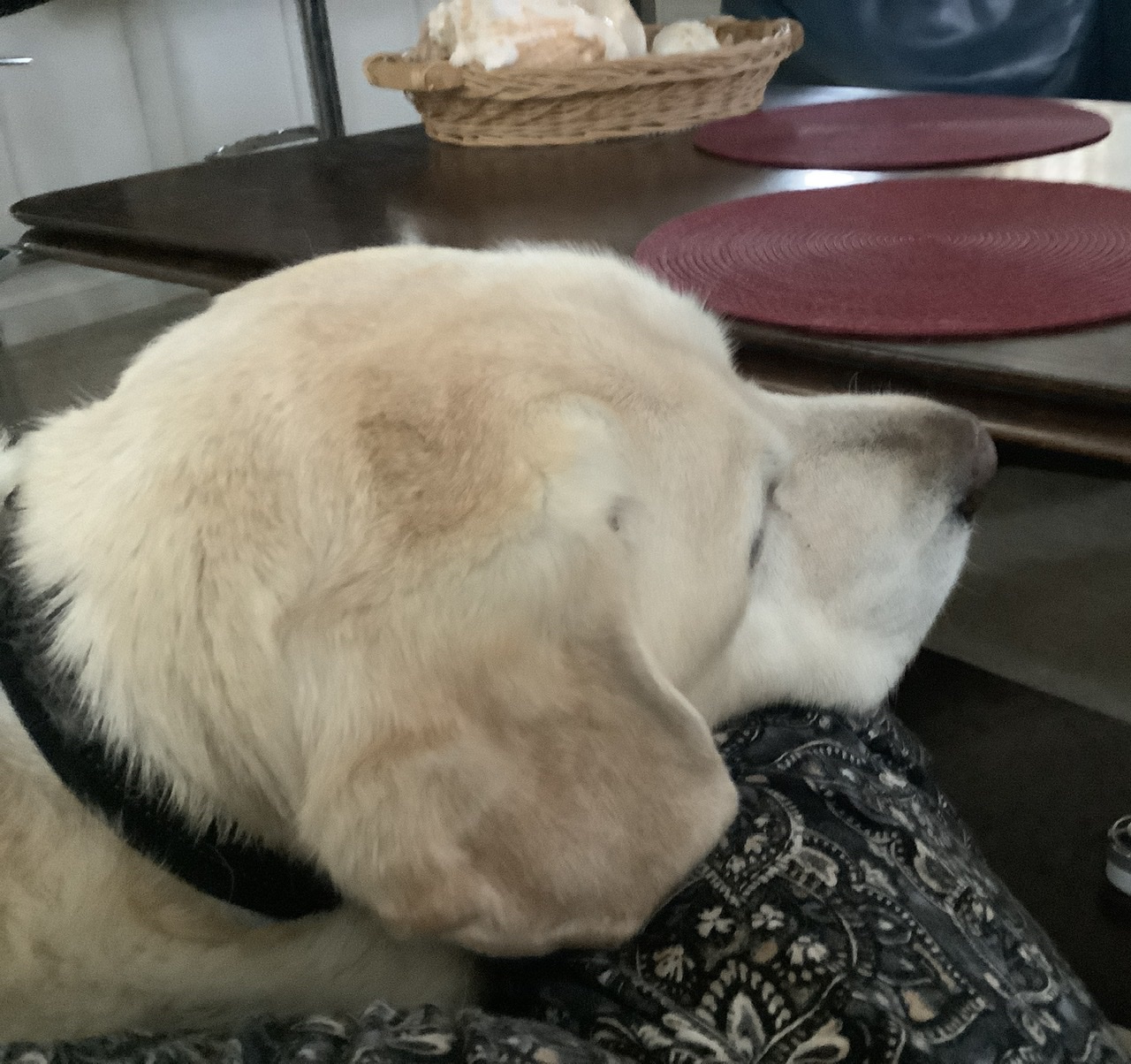
Since Dylan’s Thundershirt arrived, we haven’t had a single thunderstorm… until this afternoon. Mom heard it coming so quickly put the shirt on Dylan before it arrived. So does it work?

It seems to help. Dylan is definitely calmer. He paced a bit and looked worried after the first thunderclap, and ran to snuggle with his mom. But then so did Dee Dee. Only Dora ignored the storm – she’s the bit of black sleeping behind Dee Dee.
It’s a great improvement. The storm wasn’t as extreme as past ones. We’ll need one more test with a real doozy of a storm. Overall, his mom is pleased. If Dylan is happy, everyone is happy. Sweet boy.
The Crew is back aboard
We hope this finds everyone well. After a long delay due to the Corona Virus, we are now back aboard Idyll Time. Flying through the airports was much different this year. The Nashville airport was spooky with hardly a soul around. Surprisingly, our flight was almost 60% full. I think this was because the airlines […]
Gen Rear Main Oil Seal
Our generator showed a light misting of oil around the generator cooling fan a month back. At just under 7,000 hours, it’s a bit early to be leaking, but it’s not a huge issue since rear main oil seals don’t fail catastrophically nor even quickly. It just means that in the next year or so,…
Thirteen!

Today is dear, sweet Dylan’s 13th birthday. We celebrate with two traditions. First with Dylan’s award winning picture (honestly). It’s hard to believe that little puppy grew into our big old handsome boy.

Second, the whole crew gets mini cupcakes following supper. Yummmmmm.
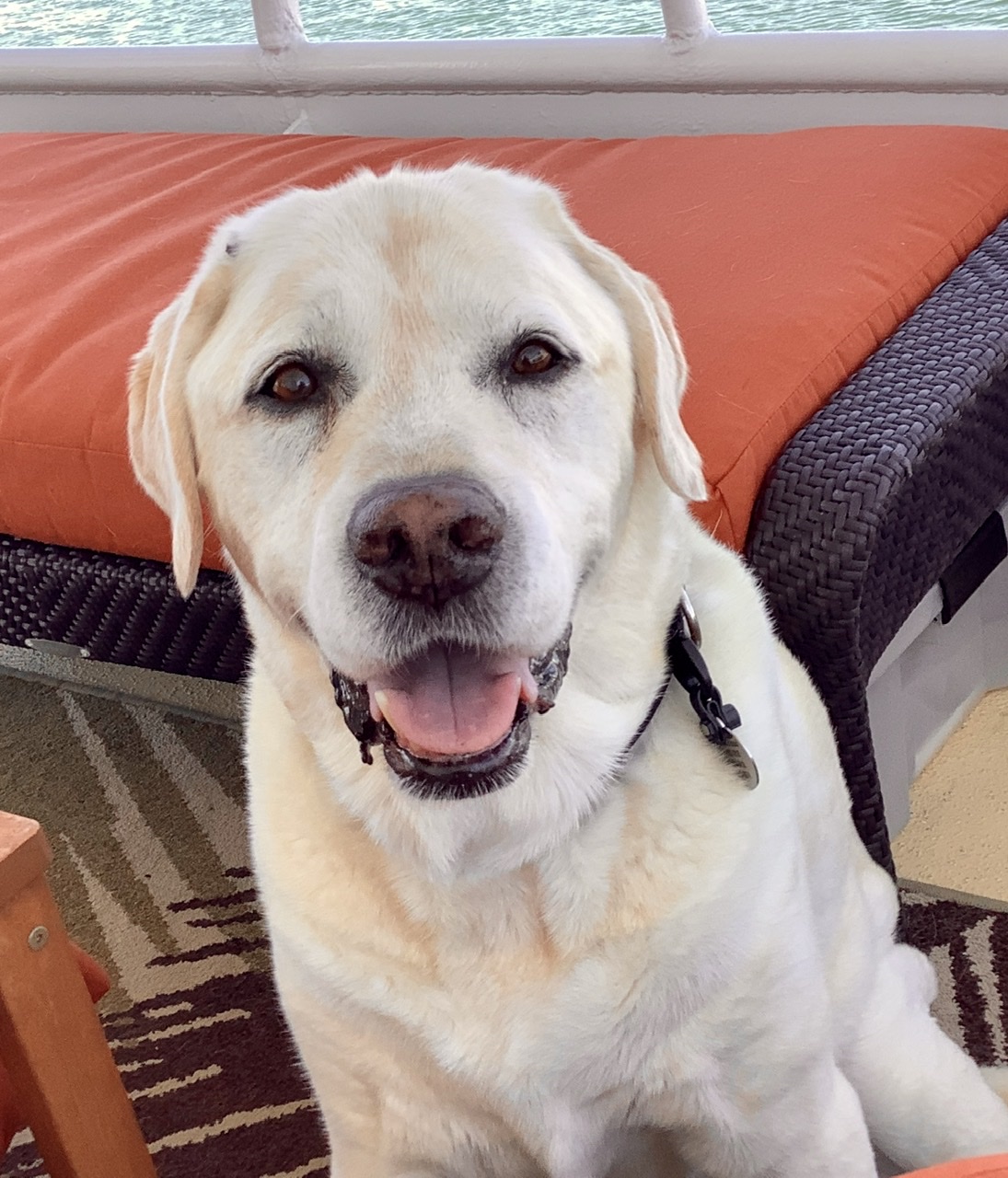
Thirteen is quite a landmark. We love you Dylan and are hoping for many more happy times.
Back to The Pearl
“Not every lake dreams to be an ocean. Blessed are the ones who are happy with whom they are.” —Mehmet Murat ildan
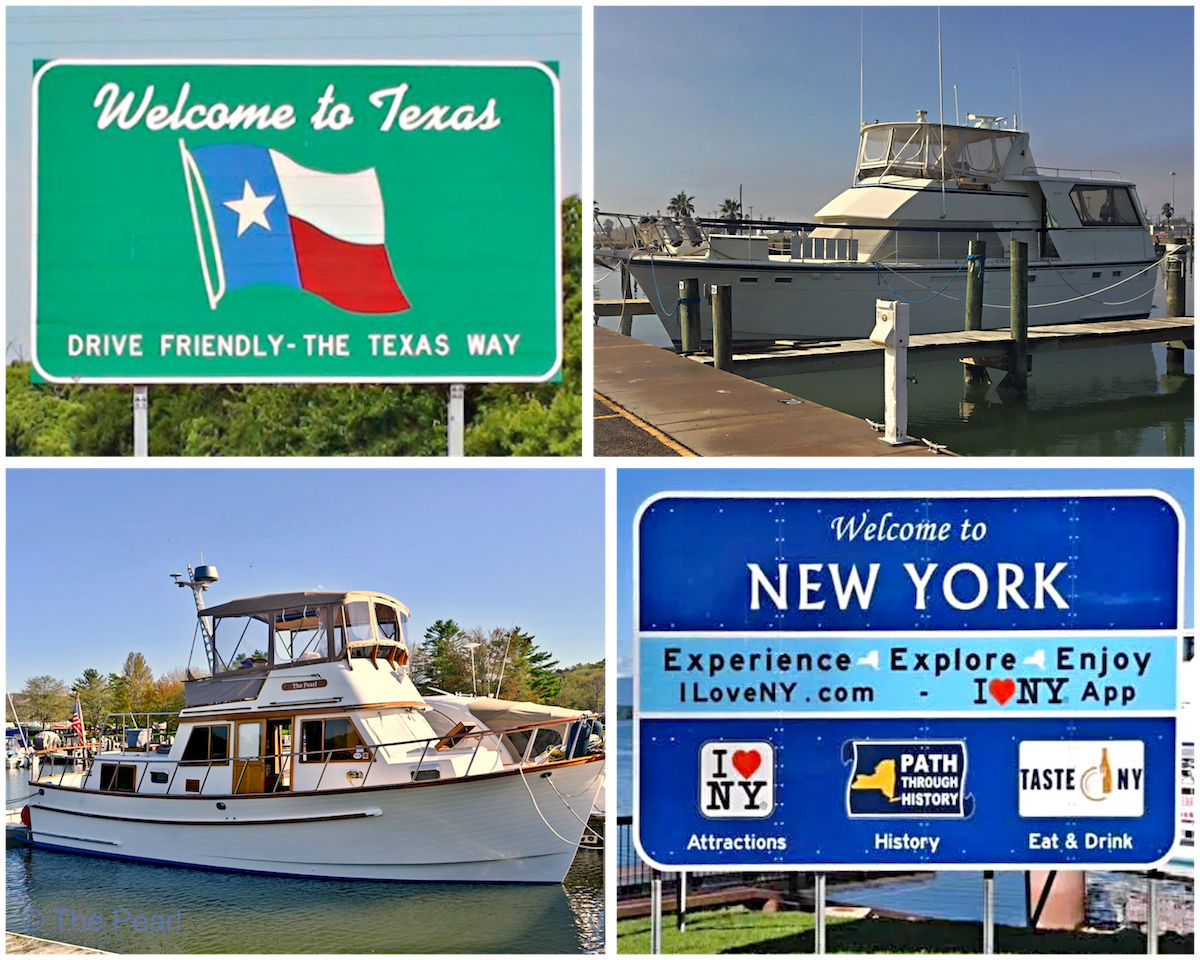
Our trip east from Texas this year was our 41st trip since 2011. It was definitely the longest and the hardest…maybe because we’re getting older, but in reality I think it was the traffic. From the looks of our highways, our economy should be booming. We’ve never seen so many 18-wheelers on the freeways before. Between construction, accidents and having to be rerouted we lost four hours…making our 25 hour trip over 29. Our reward…spending three days with our PA family and filling up on love.
CONTINUE READING HERE…»
Maintaining at Gigha
While our cruising lifestyle may be on pause during the Scottish lockdown, our maintenance log isn’t. Several scheduled service items came due in mid-May, including annual testing, lubricating and changing the oil and filter in our gasoline engines, changing the hydraulic zincs, and charging our backup batteries. We also completed some unscheduled maintenance work, such…
Load Shedding
One of the challenges with the smaller electrical systems found on most boats is managing the power load. Whenever electrical loads are running on a boat, they are delivered by some power source. It might be the generator, it could be shore power, or it could be the inverter. But, whatever the power source, it…
